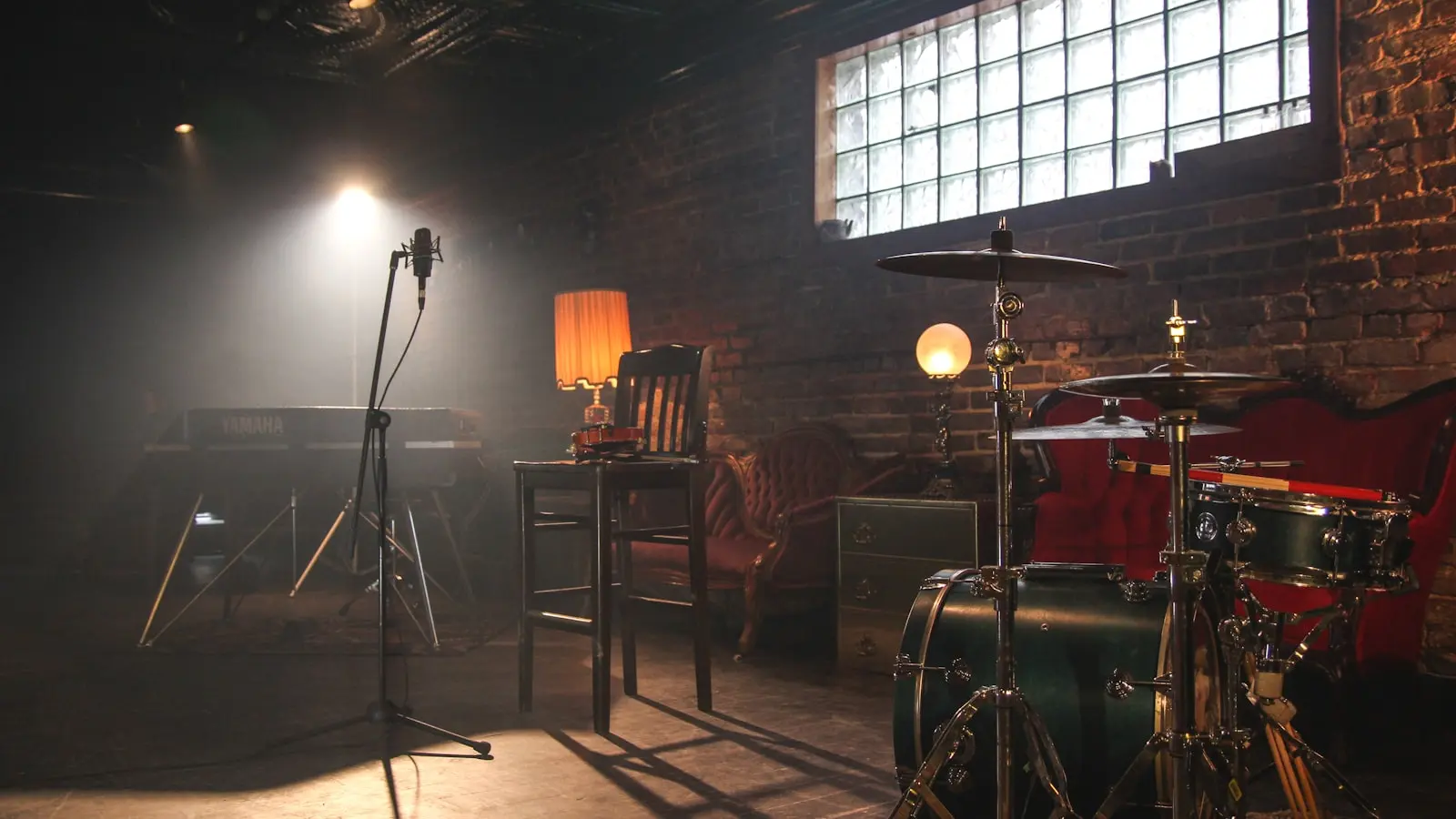

The air inside Studio 8H carries a particular weight. It is a compound of history, dust from forgotten sets, and the electric hum of anticipation that can never be fully scrubbed from the walls. On a Saturday night in March, that atmosphere condenses. Outside, on the streets surrounding 30 Rockefeller Plaza, the city’s pulse is its own relentless broadcast. But inside this room, time is calibrated differently—measured in five-second cues, in the silent count before a camera’s red light blinks to life, in the collective breath of a studio audience waiting for the ritual to begin.
This is the space Harry Styles re-entered on March 14, 2026. His return was not merely a scheduling note on a network programming grid. It was a planned confluence of cultural energies. To serve as both host and musical guest on Saturday Night Live is to submit to a unique form of exposure, a high-wire act performed without a net over the chasm of live television. It is a test of range, stamina, and, most critically, of the coherence of one’s public self. Styles first navigated this trial in 2019. His second turn arrived on the heels of ‘Kiss All the Time,’ an album that had already asserted its dominance by debuting at number one in fifteen countries. The machine was working perfectly. The logic was sound.
Yet, the performance is not the album. The meticulously layered studio production of a track like ‘Aperture’—the album’s lead single, which had already summited the Billboard charts—must be reverse-engineered for the stage. In the unforgiving acoustics of Studio 8H, a space designed for broadcast clarity rather than musical warmth, the song is stripped to its essential components. The performance becomes an act of translation. It is here that the architecture of the song is tested. Can the emotional structure hold up under the glare of the lights, supported only by the raw mechanics of a live band and the artist’s own presence? The broadcast signal carries this translation to millions, a shared moment of vulnerability disguised as entertainment. The question lingers in the air after the final chord fades. (Was it enough?)
The Architecture of Persona
The transition from musical stage to host’s monologue is a journey of mere feet but a vast shift in discipline. The tools change. The intimacy of song, which allows for abstraction and emotional color, is replaced by the brutal precision of comedy. A monologue must land. A sketch requires a performer to dissolve into a character, to surrender their own rigorously curated persona to the needs of a fleeting joke. This is where the design of the show exerts its influence most profoundly. SNL is a repertory company. It has its own rhythm, its own internal language forged over its now 51 seasons. The host is an outsider invited in, expected to adapt to the house style instantly.
Styles’ approach to this challenge reveals much about the modern construction of celebrity. His public identity is a careful mosaic of androgynous fashion, earnest vulnerability, and rock-star swagger. As host, these elements are placed under pressure. Can they be funny? Can they withstand the absurdity of a sketch about, say, sentient office furniture or a disastrous family dinner? The audience’s laughter is the only metric that matters. His cameo during Ryan Gosling’s monologue a week prior was the prelude, a gentle easing into the show’s ecosystem. The full hosting gig, however, is a complete immersion. It demands a letting go, a willingness to see the persona deconstructed and reassembled for comedic effect. This is the contract of the double-duty host. You give the show your art, and you also give it your self.
A Signal in the Noise
When news of the hosting gig broke, the reaction was immediate and predictable. The digital town square, specifically platforms like X, lit up with hashtags. #HarryStyles and #SNL became trending topics worldwide, a tidal wave of fan anticipation that underscores the artist’s place in the contemporary cultural fabric. Entertainment critics at Variety and Billboard framed the event as a “perfect cultural moment.” This is a phrase that can mean everything and nothing. It is corporate shorthand for a convergence of market forces: a popular artist with a new, successful product appearing on a legacy platform with a massive, built-in audience. It is synergy. (Frankly, a term that has lost its meaning.)
But to strip it down to its mechanics is to miss the texture of the event. Why this artist, on this stage, at this time? Styles represents a particular evolution in pop masculinity, one that is commercially potent and critically dissected. His music, a blend of 70s rock, synth-pop, and contemporary balladry, is designed for mass appeal while retaining a veneer of artistic credibility. Placing him at the center of SNL, an institution that has both defined and reflected American culture for half a century, is a statement. It is a cultural barometer reading. The show, in its 51st season, needs figures like Styles to affirm its continued relevance. It needs access to his audience, to the very demographic that is increasingly untethered from traditional broadcast schedules. In return, Styles receives the institution’s seal of approval, a place in a lineage that includes rock royalty and comedy legends. It is a transaction, but a deeply symbolic one.
The experience for the viewer is one of curated intimacy. The broadcast flattens geography, bringing the raw energy of a New York soundstage into living rooms across the country and the world. For ninety minutes, a disparate audience is unified by a single signal. They watch the flubbed lines, the moments of genuine surprise, the sketches that soar and the ones that collapse under their own weight. This shared experience is the core product. It is the reason the institution endures, even as the media landscape fractures around it. The performance of ‘American Girls’ is not just a promotion for the album ‘Kiss All the Time’; it is a fleeting, communal event. The moment it airs, it is already a memory, destined for digital archives and fan compilations.
When the show ends, and the cast gathers on stage for the goodbyes, the manufactured energy of the broadcast begins to dissipate. The lights cool. The audience files out, taking the memory of the night with them. What remains is the room itself, now quiet, absorbing another layer of history. The event is over, but its resonance persists—in chart bumps, in water-cooler conversations, in the endless digital afterlife of clips and GIFs. The space has once again shaped the performance, and the performance has, in its small way, left its mark on the space. Another Saturday is done. The machine resets for the next.