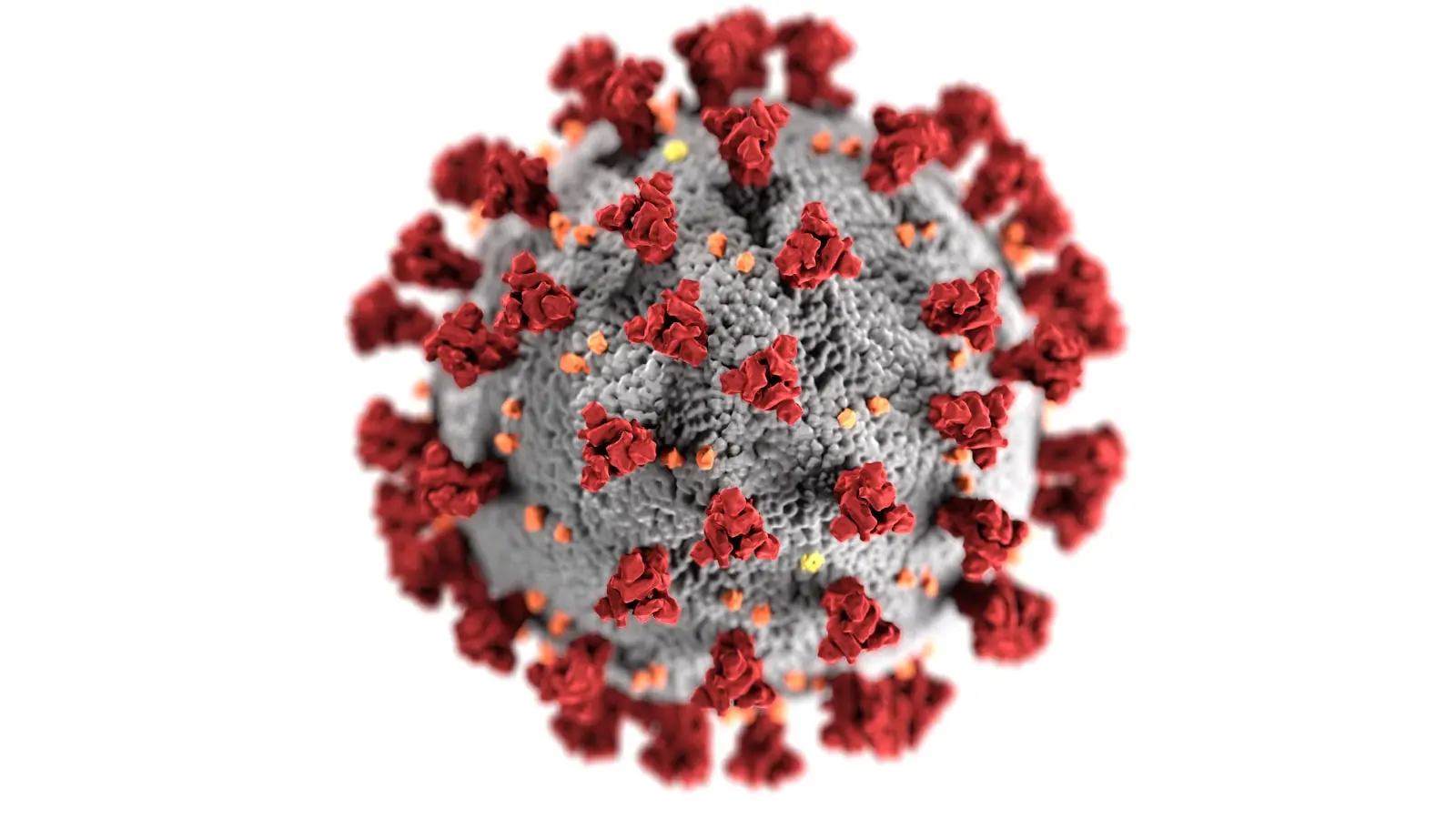

The World Health Organization (WHO) has issued a global health alert regarding a notable increase in human infections of the H5N1 avian influenza virus. This action follows the confirmation of 47 human cases across four nations—Vietnam, Cambodia, China, and the United States—within a 30-day monitoring period. The alert is not a declaration of a pandemic but a directive for governments to escalate surveillance and bolster healthcare system readiness.
The data, while preliminary, points to a concerning biological event. Among the 47 individuals diagnosed, seven fatalities have been recorded. This yields a provisional case fatality rate (CFR) of approximately 15%. This figure, while alarming, requires careful interpretation. It signifies a high mortality risk for those who become infected but does not reflect the risk to the general population, as the virus does not currently exhibit sustained human-to-human transmission. The primary objective of the WHO alert is to activate preventative frameworks to ensure it stays that way.
The situation’s timeline shows a rapid geographic spread of zoonotic spillover events. The initial cluster was identified in Southeast Asia on January 10, 2026. By February 20, cases were confirmed in the United States, all with direct links to contact with infected poultry flocks. The WHO’s emergency committee convened on March 15, formalizing the global alert. The core concern is not the current number of cases, but the increased frequency of the virus jumping the species barrier. Each human infection represents a new opportunity for the virus to adapt to a mammalian host.
Understanding the Transmission Barrier
To grasp the current risk profile, one must understand the virology of influenza A/H5N1. This is fundamentally a virus of birds. Its biology is optimized for avian hosts, and a significant molecular barrier prevents it from spreading efficiently among humans. The crux of this barrier lies in the virus’s hemagglutinin (HA) protein—the ‘H’ in H5N1. This surface protein acts like a key, allowing the virus to unlock and enter host cells.
The problem for H5N1 is that it carries the wrong key for most human cells. The HA of avian influenza strains preferentially binds to alpha-2,3-linked sialic acid receptors, which are abundant on the surface of cells in the avian intestinal and respiratory tracts. In humans, the upper respiratory tract (the nose, throat, and bronchi), which is the primary site for transmitting respiratory viruses, is dominated by cells with alpha-2,6-linked sialic acid receptors. The virus struggles to latch on. This is a key molecular gate.
However, the deeper parts of the human lungs do contain cells with the avian-preferred alpha-2,3 receptors. This anatomical reality explains the dual nature of H5N1 infection in humans: it is difficult to acquire, but when an infection does take hold (often from inhaling a high dose of viral particles in close proximity to infected birds), it can be severe. The virus bypasses the upper airway and establishes a deep lung infection, frequently leading to viral pneumonia and acute respiratory distress syndrome. This explains the historically high case fatality rate associated with H5N1, which in prior outbreaks has exceeded 50%. The current 15% CFR, while lower, remains a stark indicator of the virus’s intrinsic virulence in humans once an infection is established.
The critical threat, and the impetus for the WHO’s alert, is the potential for viral evolution. Influenza viruses are known for their high mutation rates. If H5N1 acquires mutations in its hemagglutinin gene that switch its binding preference from alpha-2,3 to alpha-2,6 receptors, it could unlock efficient transmission through coughing and sneezing. (This is not a theoretical risk). Such a development would convert a sporadic zoonotic disease into a potential pandemic agent. Every new human case serves as a laboratory for the virus to conduct these mutational experiments.
The Global Public Health Response
The WHO’s directive focuses on three pillars of pandemic preparedness: surveillance, clinical readiness, and medical countermeasures. These are not actions born of panic but of strategic foresight.
First, surveillance is being intensified. This involves more than just monitoring human patients with respiratory illness. It requires a “One Health” approach, integrating veterinary and human health systems. Public health agencies are mandated to increase testing of wild bird populations and commercial poultry flocks. Any detection of H5N1 in birds must trigger rapid culling and biosecurity protocols to reduce the source of potential human exposure. For humans, testing criteria will likely be expanded to include anyone with relevant symptoms and exposure to poultry, even without direct contact with sick birds.
Second, healthcare systems are being instructed to review and fortify their readiness plans. This involves assessing the capacity of intensive care units (ICUs), ensuring adequate stockpiles of personal protective equipment (PPE), and confirming the availability of mechanical ventilators. The severity of H5N1-induced pneumonia means that infected patients require a high level of medical intervention. A sudden surge in cases could easily overwhelm a system that is not prepared for such clinical demands.
Third, there is an urgent call to accelerate the development and stockpiling of medical countermeasures. This includes both antiviral drugs and vaccines. Antivirals like oseltamivir (a neuraminidase inhibitor) can be effective in reducing the severity and duration of illness if administered early in the course of infection. Governments are urged to ensure they have sufficient stockpiles to treat diagnosed patients and potentially provide prophylaxis to their close contacts and healthcare workers. Vaccine development for H5N1 is already well-advanced. Several candidate vaccines exist and have been tested in clinical trials. The challenge is not creating a vaccine, but the logistics of mass-producing and distributing a strain-matched vaccine at global scale should a pandemic variant emerge. The current alert serves to pressure manufacturers and governments to ensure those production pipelines are ready to be activated.
A Measured Assessment of Public Risk
For the general public, the immediate, personal risk from H5N1 remains exceptionally low. The current cases are overwhelmingly linked to individuals with direct, high-intensity occupational or domestic exposure to infected poultry. The virus is not spreading in communities. The risk is concentrated among poultry farmers, cullers, and those in live bird markets.
The global alert should therefore be interpreted correctly. It is a communication directed at public health infrastructure, not a signal of imminent public danger. (Preparedness is not panic). The actions being taken are preventative, designed to manage the risk at its source and prepare for a worst-case scenario that has not yet materialized.
The rise in sporadic cases is a signal that the interface between infected animal populations and humans is becoming more porous. This could be due to a number of factors, including changes in agricultural practices, wild bird migration patterns, or subtle changes in the virus itself that make it slightly better at infecting mammals without yet being able to transmit between them. The scientific community is working to sequence the genomes of the viruses isolated from the recent human cases to determine if any significant new mutations are present.
Ultimately, the situation underscores the fragility of the species barrier and the ever-present threat of zoonotic disease. The global response to the 2026 H5N1 alerts is a test of the lessons learned from prior pandemics. The strategy is to contain these spillover events, monitor the virus for dangerous adaptations, and maintain a high state of readiness. The system is working as intended: the warning has been issued before the crisis has begun.