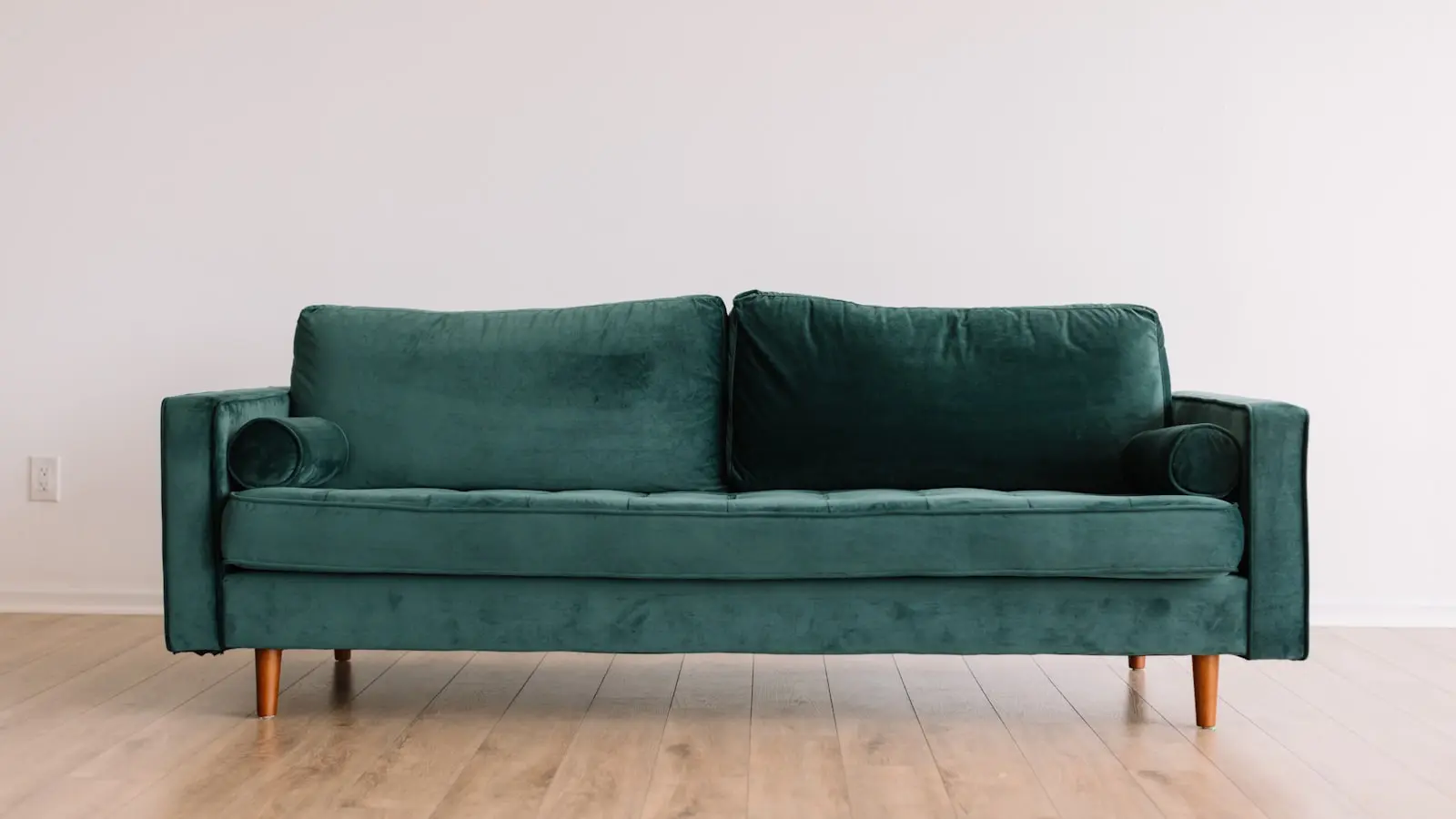

A quiet refusal is taking shape, not in public squares, but in the private confines of rented rooms and first-time apartments. It is a movement defined by what it removes rather than what it adds. The elaborate gallery walls, the jewel-toned velvet sofas, the curated clutter that defined a previous era’s digital aesthetic are being methodically dismantled. In their place, something else is emerging: space, light, and a profound emphasis on the integrity of a few well-chosen objects. This is the physical manifestation of the slow living philosophy, a design ethos being championed by a generation raised in the peak of digital noise and economic instability.
The shift is not merely anecdotal. It is quantified in market tremors and digital tidal waves. Sales of Japanese tansu cabinetry and starkly functional Scandinavian furniture have surged, displacing more ornate, trend-driven pieces. Analysts note a corresponding rise in demand for natural, unprocessed materials like linen, clay, and rattan. On platforms engineered for relentless speed, the rebellion gains its momentum. TikTok’s #slowliving tag has accumulated over 4.2 billion views, a staggering figure for a concept that fundamentally opposes the platform’s very nature. It presents a paradox: a movement toward deliberate, offline existence, organized and amplified by a high-velocity algorithm.
To dismiss this as another fleeting interior design trend is to misread the cultural and economic currents that gave it form. This aesthetic is a direct response to a set of specific pressures. It is the logical design conclusion for a generation navigating smaller living spaces, the impermanence of renting, and a pervasive sense of digital burnout. When your world is loud, your home becomes a sanctuary of quiet. When your financial future is uncertain, you invest in permanence and utility over fleeting fashion. Design, in this context, ceases to be about प्रदर्शन; it becomes a tool for survival and mental preservation.
The Architecture of Intentionality
At its core, the slow living space is an exercise in radical editing. The philosophy demands that every object justify its existence, not merely through its aesthetic appeal but through its function, its origin, or its personal significance. The result is an environment that feels curated yet unforced, minimalist but not sterile. The warmth comes not from an abundance of things, but from the texture of the materials themselves. The hand finds meaning here. The rough-hewn grain of a reclaimed oak table, the unbleached, imperfect weave of a linen throw, the cool, silent weight of a ceramic vessel. These are not objects of machine-made perfection but of tactile, human reality.
Biophilic design is the central nervous system of this movement. The integration of plants, natural light, and organic forms is non-negotiable. A fiddle-leaf fig is not just a decorative accent; it is a living occupant, a daily reminder of natural cycles and growth. Large, unadorned windows are prized, with light itself treated as a primary design element, shaping and reshaping the room throughout the day. This is less about bringing the outdoors in and more about dissolving the boundary between the two. The home becomes a permeable membrane, a place to breathe. (Frankly, it’s a necessary antidote to the sealed, climate-controlled boxes many are forced to inhabit).
This is a direct departure from the algorithm-friendly interiors of the last decade, which prioritized bold, camera-ready vignettes. Those spaces were designed to be photographed, to perform on a screen. The slow living interior, by contrast, is designed to be inhabited. Its success is measured not in likes or shares, but in the quality of the life lived within its walls. It is a quiet declaration that a home’s primary function is to serve its occupant, not an external audience.
A Sanctuary from Digital Saturation
The generation driving this movement is the first to have no memory of a world without the internet. Their social lives, professional trajectories, and daily information intake are mediated through screens that demand constant engagement. The home, therefore, has become the last true frontier of disconnection. The choice to create an uncluttered, serene physical environment is a deliberate act of building a firewall against the chaos of the digital world. The visual silence of the room is engineered to create cognitive space.
Consider the absence of technology as a focal point. Televisions are often hidden in cabinets or replaced entirely by projectors used only for specific occasions. The living room is reoriented around conversation, reading, or simply stillness. The charging cables and blinking lights that litter most modern homes are meticulously concealed. This is not Luddism. It is a conscious effort to control the influence of technology on one’s environment and, by extension, one’s mental state. It is an act of environmental self-defense. The space serves as a functional anchor to the physical world.
This desire for a tangible, analog reality also explains the renewed interest in craftsmanship and secondhand goods. An object with a history—a vintage armchair, a hand-thrown pot, a worn wooden stool—carries a narrative. It embeds the space with a story that cannot be purchased from a flat-pack box. It resists obsolescence. Buying secondhand is also a practical choice, aligning with both the economic limitations and the eco-conscious values of many young people. It is a sustainable act that doubles as an aesthetic statement, rejecting the disposable culture of fast furniture in favor of pieces with proven longevity.
The Economic Reality Behind the Aesthetic
One cannot separate the rise of slow living from the economic landscape. For many, maximalism is not only undesirable; it is unattainable. Sky-high property prices and a pervasive renting culture mean smaller, often temporary, living quarters. A maximalist approach requires significant square footage and the stability to accumulate possessions over time. The slow living ethos, however, is perfectly adapted to these constraints. It transforms the limitation of a small space into a philosophical virtue: intentionality.
A minimalist, uncluttered approach makes a 500-square-foot apartment feel larger and more functional. A focus on fewer, high-quality, and often portable pieces makes sense for a generation that may move multiple times in a decade. The investment shifts from quantity to quality. Instead of buying a cheap, oversized sofa that may not fit in the next apartment, the choice becomes a well-made, adaptable armchair that can last a lifetime. This is economic pragmatism dressed in the language of wellness. It is a sound financial strategy. It works.
The commercial world, of course, has taken notice. Wellness brands are now marketing “curated calm” and selling the slow living aesthetic back to the very people who created it out of necessity. Linens, ceramics, and minimalist decor are packaged and sold as components of a mindful lifestyle. (Is it still ‘slow living’ when it’s sold in a neatly packaged starter kit?) This commodification is inevitable, but it risks stripping the movement of its core principles, reducing a deeply personal and responsive philosophy to a set of purchasable signifiers. The authentic practitioners, however, understand that slow living is not an aesthetic to be bought, but a mindset to be cultivated. The objects are merely the byproduct of that internal shift.
Ultimately, the movement toward slow living interiors is a quiet but powerful cultural barometer. It reflects a generation’s attempt to reclaim control in a world that feels increasingly chaotic and unstable. They are exchanging the pursuit of more for the pursuit of meaning, and they are doing so in the most fundamental of spaces: the home. It is a redefinition of aspiration itself, away from the external validation of conspicuous consumption and toward the internal equilibrium of a well-lived, intentional life. The focus is no longer on what a home says to others, but on how it makes its inhabitant feel. That is a profound, and likely permanent, change in the architecture of living.