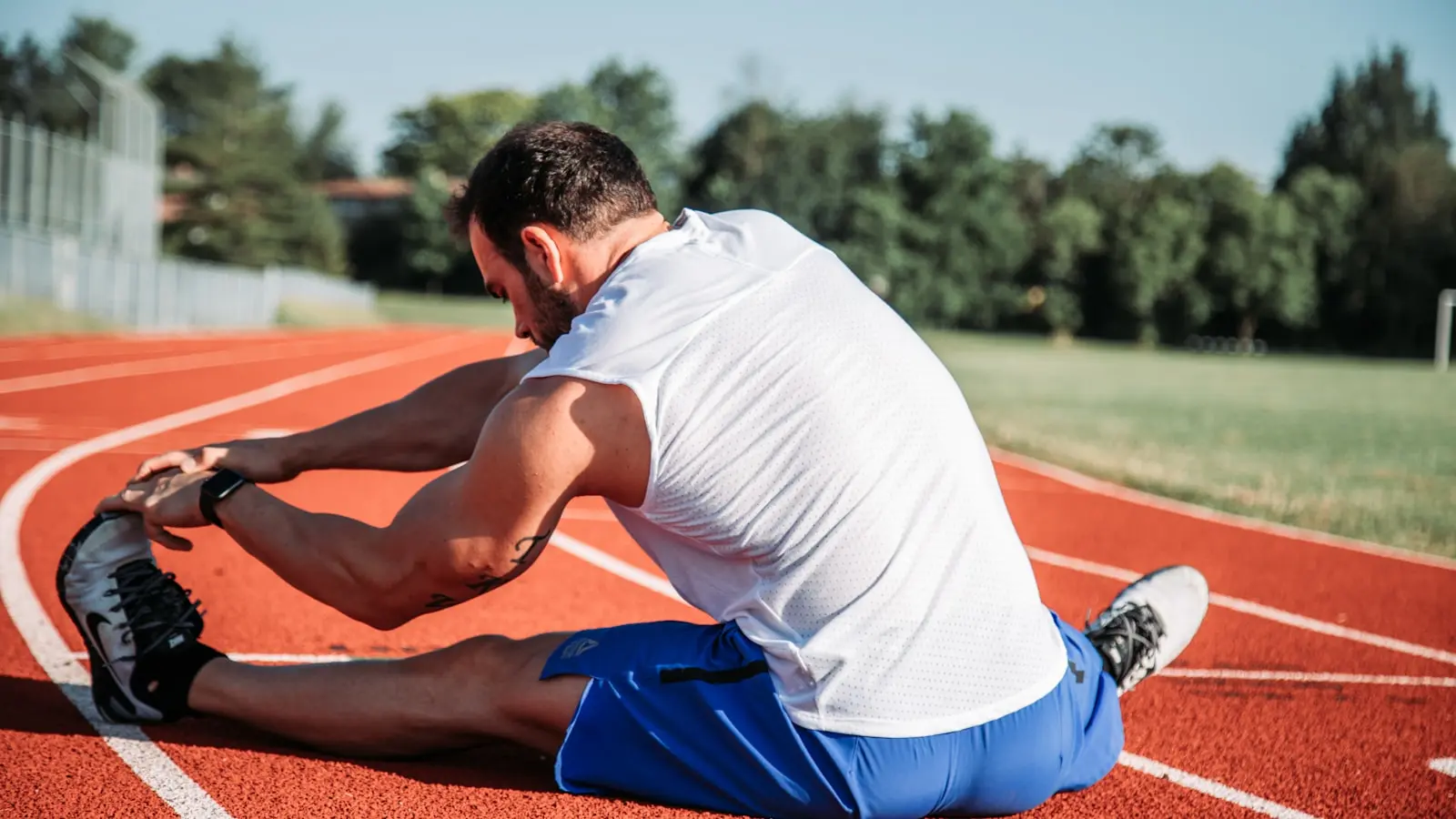
The first 48 hours after a half marathon are not about proving how tough you are. They are about helping your body shift from race effort to repair. Recovery after half marathon starts with a simple protocol: cool down, refuel, rest, and keep movement easy.
Key Takeaways
- Walk briefly after crossing the finish line, then hydrate and eat a carb-protein snack within the first hour.
- Sleep is the most effective recovery tool in the first 24 hours; gentle walking helps more than aggressive stretching.
- Expect half marathon soreness to peak 24 to 72 hours after the race, especially in the quads.
- Wait to run until your walking gait feels normal and stairs don’t trigger sharp quad pain.
- Taking several days or even two weeks off running will not erase your fitness.
The First Hour After You Finish: Refuel, Rehydrate, and Cool Down
Keep moving for 10-15 minutes after crossing the line, even if it feels slow. A short walk helps your heart rate settle and prevents blood from pooling in your legs. Then sit down sooner rather than later. Prolonged standing after a hard effort can make your legs feel heavier and delay recovery.
Hydrate before doing anything else. Water is fine, but an electrolyte drink or sports drink can help replace what you lost through sweat. Eat a snack or meal within the first hour that combines carbohydrates and protein. A roughly 3:1 or 4:1 carb-to-protein ratio works well: chocolate milk, fruit with yogurt, or a sandwich with lean protein are practical options.
Check your feet before you shower or drive home. Blisters, hot spots, and damaged toenails are easier to manage when caught early. Clean them gently and cover any open areas with a clean dressing. Change into dry clothes before spending much time in the finish area. Wet socks and shoes can make blisters worse, and staying in them too long extends the time your feet spend under pressure.
The First 24 Hours: Sleep, Compression, and Gentle Movement
The most valuable thing you can do in the first 24 hours is sleep. Your body does most of its muscle repair while you rest, and no recovery tool can replace that. Lying down with your legs elevated can also help reduce that heavy, swollen feeling.
Compression socks or sleeves can be worth using if they feel comfortable. Evidence for compression is mixed, but some runners feel less sore when they wear them. A normal shower is fine. Very hot water may increase swelling, so keep it warm unless it feels soothing.
Gentle walking is better than aggressive stretching or deep foam rolling right now. Your legs are inflamed from the effort, so forcing a stretch can make soreness worse. Walk for 10-20 minutes if it feels okay, and stop if you feel sharp pain.
Over-the-counter pain relief can be used if soreness is uncomfortable, but only as directed on the label. It does not speed recovery. If you have medical conditions or take other medications, check with a pharmacist or doctor first.
Expect soreness to peak around 24-72 hours after the race. Half marathon soreness the day after is usually concentrated in the quads and can make stairs humbling. That delayed soreness is normal, especially when you walk downstairs. It does not mean you are injured.
Keep drinking fluids through the day. Thirst is a practical guide, and dark urine usually means you are still behind on fluids.
Day Two: Soreness Management and Light Movement
By day two, you may feel stiffer than you did immediately after the race. This is a normal part of the recovery after half marathon timeline, not a sign that you did something wrong.
Contrast showers can feel good if you enjoy them. Alternate warm and cool water for a few minutes to stimulate blood flow, but the evidence for faster recovery is limited. Use them for comfort, not as a mandatory step.
Light movement is still one of your best leg recovery tips. Easy walking, gentle cycling, or a short swim can promote blood flow without adding much load to sore muscles. This is active recovery after a race, but it should feel restorative rather than challenging. If you cannot hold a conversation, you are working too hard.
Stretching should be gentle and optional. If a light stretch feels good, hold it briefly. Do not force your range of motion or bounce through a stretch in an attempt to loosen up.
Eat regular meals with protein, carbohydrates, and healthy fats. Do not restrict calories to make up for race day. Your body needs fuel to repair muscle and replenish energy stores.
Monitor for warning signs: swelling that gets worse, inability to bear weight, or pain that does not follow the usual soreness pattern. These are reasons to seek medical advice, not to push through.
Do not worry about losing fitness. A few days or even two weeks of reduced running will not erase your base. Recovery is the part of training that lets you keep it. Recovery is not perfectly linear. You may feel better on day two and worse on day three, especially in the quads. That shift does not mean you did something wrong; it is part of the normal delayed soreness timeline.
When Can You Run Again? Return-to-Run Criteria
Should I run the day after a half marathon? For most runners, no. A full rest day or easy cross-training day is safer and allows inflammation to settle. The urge to run comes from habit, not necessity, and your fitness will not disappear overnight.
When to run after half marathon depends on a simple checklist. Wait until your walking gait feels normal and you can go downstairs without sharp quad pain. That usually means at least 2-3 days, and sometimes longer. Start with a short, easy run of 20-30 minutes at a conversational pace.
That first run is a check-in, not a workout. If it feels good, you can add a few minutes the next time. If not, rest again and repeat.
If soreness increases sharply during or after that first run, take another rest day and try again. A little stiffness is fine, but sharp pain is not. Avoid tempo runs, intervals, hilly routes, or races for at least 1-2 weeks after the half marathon.
Watch for asymmetric pain, swelling that keeps increasing, or pain that prevents a normal walking pattern. Those are warning signs, not normal recovery. A sports medicine professional can help you decide whether something needs treatment.
What Matters Less Than You Think (and What to Skip)
Ice baths and cold plunging are not clearly proven to speed recovery after a half marathon. Some sports medicine perspectives suggest cold water can reduce blood flow when muscles need it for repair. If you like cold exposure, keep it short and optional, but do not treat it as essential.
Hydration still matters in the day or two after the race. Drink enough that you are not thirsty, and let meals and snacks cover the rest.
Expensive recovery tools, compression boots, and supplements are optional. Sleep, food, and gentle movement are the actual foundations. Foam rolling can feel good later in recovery, but it will not replace rest or nutrition.
No pain, no gain does not apply to recovery. Mild discomfort is expected, but sharp pain is a signal to stop. You do not need to run to recover; easy swimming or cycling can support blood flow without stressing sore legs.
A smart post race recovery plan for the first 48 hours is mostly about avoiding unhelpful risks: no aggressive stretching, no high-intensity cross-training, and no rush to get back to serious running. Give your body a little patience and it will return the favor.
Frequently Asked Questions
Should I walk the day after a half marathon?
Yes, if it feels comfortable. Gentle walking supports blood flow and can reduce stiffness, but it should be easy and never sharp. A 15-20 minute walk is enough; if it hurts, rest.
How much protein should I eat after a half marathon?
Aim for a snack or meal within the first hour that combines carbohydrates and protein, roughly in a 3:1 or 4:1 ratio. You do not need a protein supplement unless it is convenient; real food works. Continue eating regular protein-rich meals for the next two days.
Is it safe to take ibuprofen for half marathon soreness?
Follow label instructions and ask a pharmacist or doctor if you have medical conditions. It can be used for discomfort, but it is not a recovery aid and does not repair muscle. Do not exceed the recommended dose.