
The light in late February behaves differently. It holds less of winter’s apologetic weakness and carries a thin, sharp promise of what comes next. It’s a change felt not just in the temperature but in the collective psyche, a slow turning from introspection toward the world outside. This is the subtle cultural landscape into which a list like Refinery29’s monthly editor picks arrives. On the surface, it is a guide to consumption. A well-lit catalog of apparel and cosmetics. But beneath that, it operates as a surprisingly astute document of a precise cultural moment, capturing the subtle negotiations we make with our environment, our moods, and our aspirations as one season prepares to cede to another.
The editors’ selections for February 2026 are not arbitrary. They form a coherent narrative about emergence. The highlighted trends—the shedding of heavy layers for smart staples, the counterintuitive embrace of casual sparkle, and the deep dive into comforting beauty rituals—are not merely trends. They are strategies. They are the tools people reach for to manage a transition, artifacts that signal a readiness for a softer, more intentional way of inhabiting the everyday.
The Architecture of Emergence
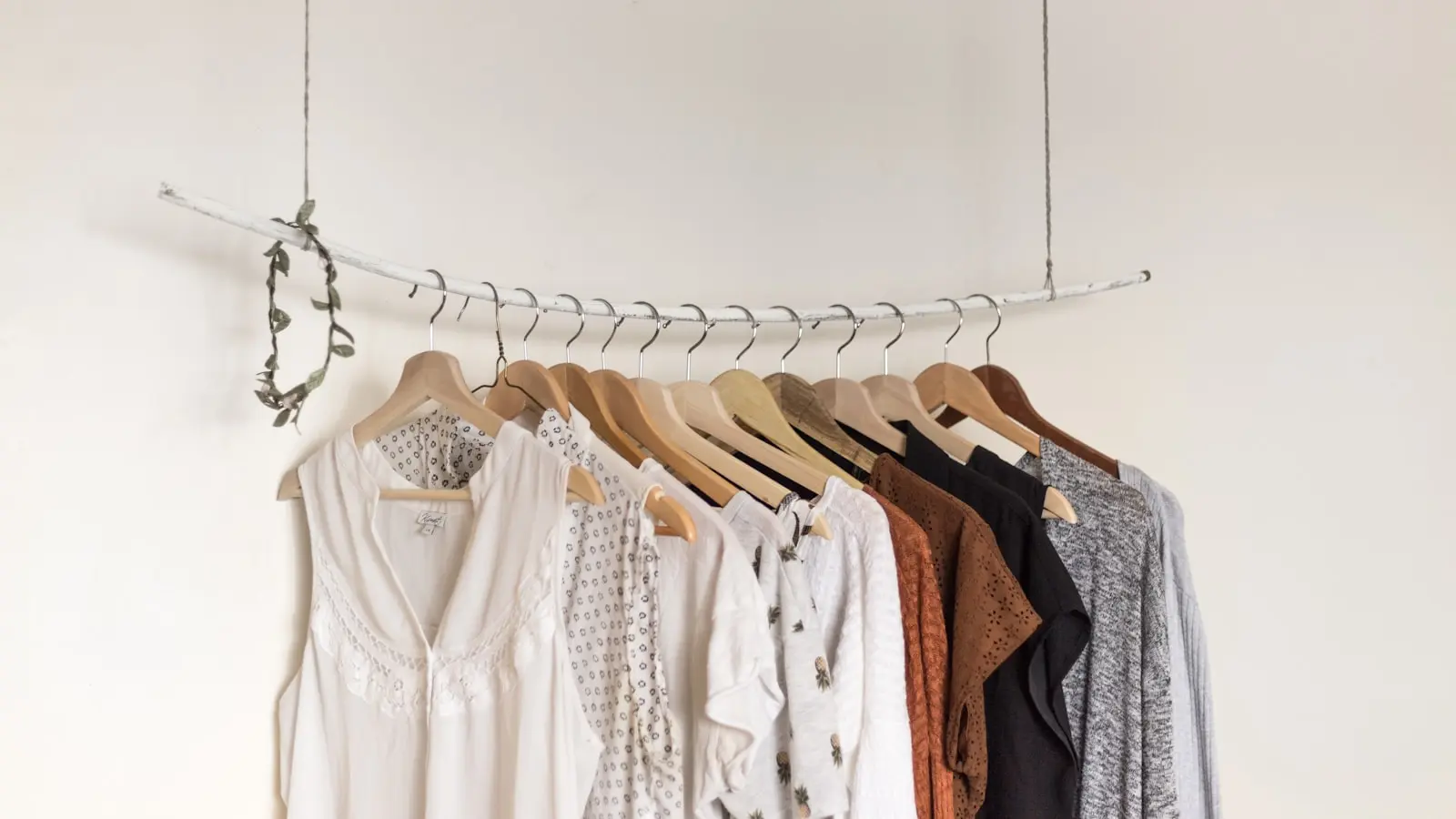
The act of shedding a winter coat for the first time is a declaration. It is a physical unburdening that mirrors a psychological one. The fashion choices championed reflect this profoundly. The focus is on “investment staples,” a term that business language has co-opted but which, in its truest sense, speaks to a belief in permanence. A classic trench coat, a perfectly weighted cashmere sweater, a structured leather loafer—these are not disposable items. They are pieces of personal architecture.
A well-designed coat does more than protect from the elements; it shapes behavior. It alters posture, lengthens a stride, and changes how a person moves through the city. It creates a defined silhouette against the chaotic backdrop of urban life. Choosing such a piece is an investment in a particular identity, one of composure and durability. It suggests a rejection of the frantic cycle of micro-trends in favor of something more grounded. In a world of digital ephemera and societal flux, the tangible, enduring quality of a well-made garment provides a rare sense of anchorage. This is stability you can wear.
The transition from heavy, insulating boots to a simple loafer is another critical signal. It implies a new relationship with the ground beneath one’s feet. Suddenly, the pavement is felt more directly. The gait becomes lighter. The very sound of one’s movement changes. These selections are less about fashion in the abstract and more about the lived, sensory experience of moving through the world as it thaws. The editors are not just suggesting what to buy. They are curating a feeling of preparedness and quiet confidence.
A Quiet Rebellion in Glimmer
The recommendation to wear sparkle casually, to integrate whimsical and glittering accessories into the fabric of a normal Tuesday, is perhaps the most telling cultural signal on the list. This is not about evening wear creeping into the daytime. It is a quiet but firm rebellion against the tyranny of the mundane. In an era defined by efficiency, productivity metrics, and the relentless pressure to perform, choosing to wear something simply because it brings joy is a radical act.
Consider the physics of it. A small, glittering earring catching the low spring sun during a morning commute. A subtly sequined thread in a scarf noticed only at close range. These are not grand gestures designed to attract attention. They are private moments of beauty introduced into public, often sterile, environments. They are for the wearer first. (A necessary subversion, really).
This trend speaks to a culture grappling with burnout and actively seeking out small, manageable sources of light. It bypasses the logic of practicality. A sparkling object serves no functional purpose. Its entire reason for being is to interact with light, to create a fleeting moment of aesthetic pleasure. To incorporate this into a work uniform or weekend errands is to insist that life should contain more than just function. It is a deliberate choice to cultivate delight, a small protest against the notion that everyday life must be relentlessly serious and unadorned. The sparkle is a foothold for joy.
Engineering the Sanctuary
The pivot towards comforting bath and beauty products, framed within the ongoing “soft life” movement, reveals a fundamental shift in how people relate to their private spaces and their own bodies. The bathroom, once a purely utilitarian room for hygiene, is being reimagined as a sanctuary. A laboratory for emotional regulation. The products selected by the editors are the instruments for this transformation.
This is not about vanity. It is about engineering a sensory experience. The choice of a bath oil is a choice about scent, about the specific way it can trigger memory or calm the nervous system. The texture of a body cream is a decision about tactile comfort. The focus on “skin-first” approaches is a metaphor for a self-first philosophy—one that prioritizes nourishment over correction, care over critique. These are rituals designed to down-regulate from a state of high alert, a common condition of modern life.
The “soft life” itself is a direct cultural response to decades of hustle culture. It posits that rest is not a reward to be earned after immense struggle, but a fundamental human right and a necessary component of a well-lived existence. The curated beauty items are, therefore, less about achieving a certain look and more about facilitating a certain state of being. They are the raw materials for building a moat of tranquility around oneself, even for just fifteen minutes a day. It is an act of reclaiming time and personal space from a world that is constantly demanding both. The ritual is the point. The product is merely the key.
Ultimately, the Refinery29 list serves as a mirror. It reflects a collective desire to emerge from the confines of winter with intention and grace. The objects chosen are not random; they are imbued with the values of a culture that is increasingly prioritizing durability over disposability, personal joy over public performance, and restorative comfort over relentless striving. This is not a shopping list. It is a quiet manifesto for a life built with more texture and less friction, a guide to assembling the small, beautiful things that help us navigate the world as it, and we, begin again.