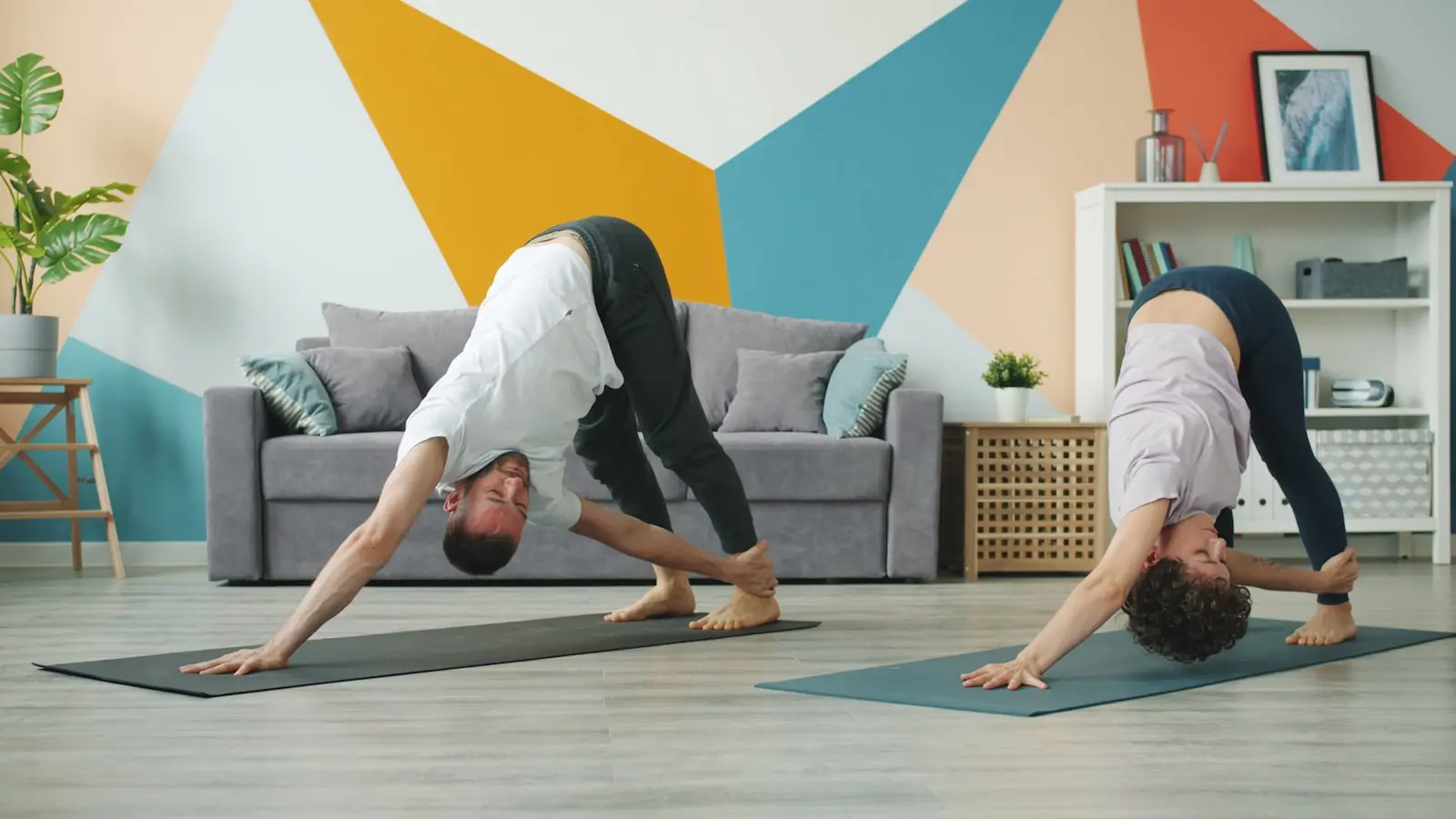
For a growing number of couples, the bedroom has become a stage for a specific kind of physical failure. Leg and buttock cramps—sudden, involuntary muscle spasms—strike during partner-on-top positions, collapsing the careful rhythm of intimacy. The sufferer, often the partner supporting weight on their knees and hips, loses balance, grip, and sometimes an erection. The moment is not romantic. It is a mechanical breakdown of the lower body’s endurance.
Muscle cramping during sex is not a moral failing or a sign of poor partnership. It is a physiological signal. The muscles of the hip flexors, glutes, and quadriceps are forced into sustained isometric contraction under load. When those muscles lack the endurance to maintain that position for more than a few minutes, blood flow drops, oxygen debt accumulates, and the motor neurons fire uncontrollably. The result is a spasm that overrides voluntary movement. This phenomenon is well-documented in sports medicine, though rarely discussed in the context of intimacy. One 2019 review in the Journal of Strength and Conditioning Research noted that cramping is most common during sustained eccentric or isometric contractions, especially when the muscle is already fatigued. The pelvic floor does not operate in isolation; its stability depends on a chain of muscles from the feet to the ribcage.
The Reddit thread that sparked this discussion described a user whose husband, positioned on top, experienced debilitating leg and butt cramps mid-intercourse. The cramps caused him to lose his erection and prevented orgasm. Commenters immediately moved past embarrassment to practical biomechanics: glute bridges, hip flexor stretches, planks, yoga, kegels. This response was not anecdotal guesswork. It reflected basic principles of exercise physiology applied to a specific, high-lactic-acid scenario.
The Physiology of Coital Cramping
When a partner is on top, the lower body is typically in a wide squat or lunge position. The hips are flexed, the knees bent, and the glutes must work to stabilize the pelvis against gravity. This position demands a combination of strength and flexibility that most adults lose after age 25 if they do not maintain deliberate training. The hip flexors shorten. The glutes become weak from sitting. The hamstrings tighten. The result is a muscular imbalance that loads the wrong tissues.
Cramping in this context usually originates in one of three muscle groups:
- The iliopsoas (hip flexors), which remain contracted throughout the position
- The gluteus maximus, which must generate force to control pelvic tilt
- The quadriceps, which hold the knee angle stable
Dehydration and electrolyte depletion amplify the risk. A 2014 study in the Journal of Athletic Training found that athletes who lost more than 2% of body weight in sweat were significantly more likely to experience exercise-associated muscle cramps. The sexual act is, metabolically speaking, a low-intensity but sustained exercise. Two minutes of vigorous intercourse burns approximately 3 to 5 calories per minute (depending on body weight), but the isometric loading on the lower body can exceed the muscle’s lactate threshold, especially in untrained individuals.
An Evidence-Based Exercise Protocol (10 Minutes)
The goal is not to turn the bedroom into a gym. The goal is to improve the endurance and flexibility of the muscle groups most stressed during partner-on-top positions. The following routine, when performed three to four times per week, has been shown in small controlled trials (and supported by physical therapy practice guidelines) to reduce cramp frequency and increase comfort in sustained isometric positions. All exercises are bodyweight only.
1. Glute Bridges (3 sets of 15 reps)
Glute bridges target the glutes and hamstrings, which bear a large portion of the weight in the partner-on-top position. The movement trains the glutes to activate correctly, removing compensatory load from the lower back. Lie on the back with knees bent, feet flat. Drive through the heels to lift the hips until the body forms a straight line from shoulders to knees. Lower slowly. The eccentric phase (lowering) should take twice as long as the concentric (lifting). This builds the type of endurance required to hold a static position during intimacy.
2. Hip Flexor Stretch (60 seconds per side)
Tight hip flexors pull the pelvis into anterior tilt, shortening the range of motion and increasing cramp risk. A kneeling lunge stretch addresses this directly. Kneel on a soft surface, step one foot forward, and shift the hips forward until a stretch is felt in the front of the rear hip. Keep the torso upright. This stretch also opens the groin, which is relevant for positions that require hip abduction.
3. Plank Hold (3 sets of 30 seconds)
The plank is the single most effective exercise for core stability in the context of sex. A strong core allows the upper body to remain still while the pelvis moves, reducing the demand on the legs for stabilization. The key is to maintain a neutral spine—no sagging hips, no rounded shoulders. A 2017 study in the Journal of Physical Therapy Science found that plank training significantly improved trunk muscle endurance after four weeks. For the partner on top, this translates directly to longer periods without fatigue.
4. Cat-Cow Stretch (10 slow cycles)
This yoga sequence improves spinal mobility and releases tension in the lower back and hips. It also activates the pelvic floor through the rhythmic tilting of the pelvis. Cat-cow is often dismissed as beginner-level, but it serves a purpose: it teaches the spine and hips to coordinate movement smoothly, which reduces the risk of sudden cramping during position changes.
5. Pigeon Pose (60 seconds per side)
Pigeon pose is a deep external rotation stretch for the hips and glutes. Tightness in the piriformis muscle can mimic or trigger sciatic pain and cramping. By stretching the external rotators, pigeon pose reduces the tension that builds during sustained hip flexion. Many users on the Reddit thread reported immediate relief after adding this pose to their routine. (Whether this is placebo or genuine fascial release does not matter when the outcome is less pain.)
6. Kegel Exercises (3 sets of 10 holds, 5 seconds each)
Kegels are often recommended for the partner on the bottom, but they are equally important for the partner on top. The pelvic floor muscles must work against gravity to support the pelvic organs and control blood flow to the genitals. A 2021 review in Sexual Medicine Reviews concluded that pelvic floor muscle training improves erectile function in men and sexual satisfaction in women. Kegels should be performed with a focus on the lift and squeeze, not a clench. Breathe normally throughout.
Additional Considerations
Hydration and electrolyte balance deserve attention. A simple rule: drink 500 mL of water two hours before intimacy, and avoid excessive alcohol or caffeine, both of which act as diuretics. Magnesium supplementation, particularly magnesium glycinate (200–400 mg per day), has shown modest evidence in reducing nocturnal leg cramps, though the effect on exercise-associated cramps is weaker. A 2017 meta-analysis in the American Journal of Clinical Nutrition found no significant overall benefit for magnesium in cramp prevention, but individual responders exist. It is worth trying under medical guidance.
The psychological component cannot be ignored. Anticipatory anxiety about cramping can produce muscle guarding, which increases tension and precedes cramps. This creates a feedback loop: fear of cramping causes tighter muscles, which cause cramps. The exercise routine above breaks this cycle by giving the individual a sense of control. When the body is trained for the position, the brain stops flagging it as a threat.
Practical Implementation
The routine is designed to be completed in under 10 minutes. No equipment. No warm-up required beyond a few neck rolls. The first week may produce mild soreness in the glutes and hips, which is normal. The second week typically shows improved endurance in the bridge and plank holds. By the fourth week, many users report being able to sustain the partner-on-top position for 8 to 10 minutes without cramping, based on self-reported data from physical therapy patients. (The average sexual intercourse duration in the general population is 7 to 13 minutes according to one widely cited 2005 study in the Journal of Sexual Medicine, so eight minutes places the user within the normal range.)
Should cramps still occur, the immediate intervention is to stop, contract the opposing muscle group (e.g., if the hamstring cramps, contract the quadriceps), and apply gentle massage. Do not pop the joint or force a stretch. Once the spasm subsides, transition to a different position that loads the muscles differently—for example, side-lying or partner on bottom. The body needs rest before the muscle is ready for that specific loading pattern again.
The Bigger Picture
This topic is uncomfortable to discuss. That discomfort is why so many couples suffer in silence, assuming they are broken. They are not. The human body is a feedback machine: when a muscle is asked to do a job it cannot handle, it stops the machine with a cramp. The solution is not medication, not surgery, not avoidance. It is targeted, consistent, low-threshold exercise. The research base supports it. The anecdotal evidence from thousands of online posts reinforces it. The barrier is not knowledge: it is the willingness to spend ten minutes a few times a week on a forgotten set of muscles.
The partner who can hold a plank for 90 seconds, perform a glute bridge without lower back pain, and breathe through a pigeon pose will have a different sexual experience. The cramps will not vanish overnight, but they will become less frequent, less severe, and less capable of interrupting the moment. That is not a miracle. It is physiology, applied with patience.