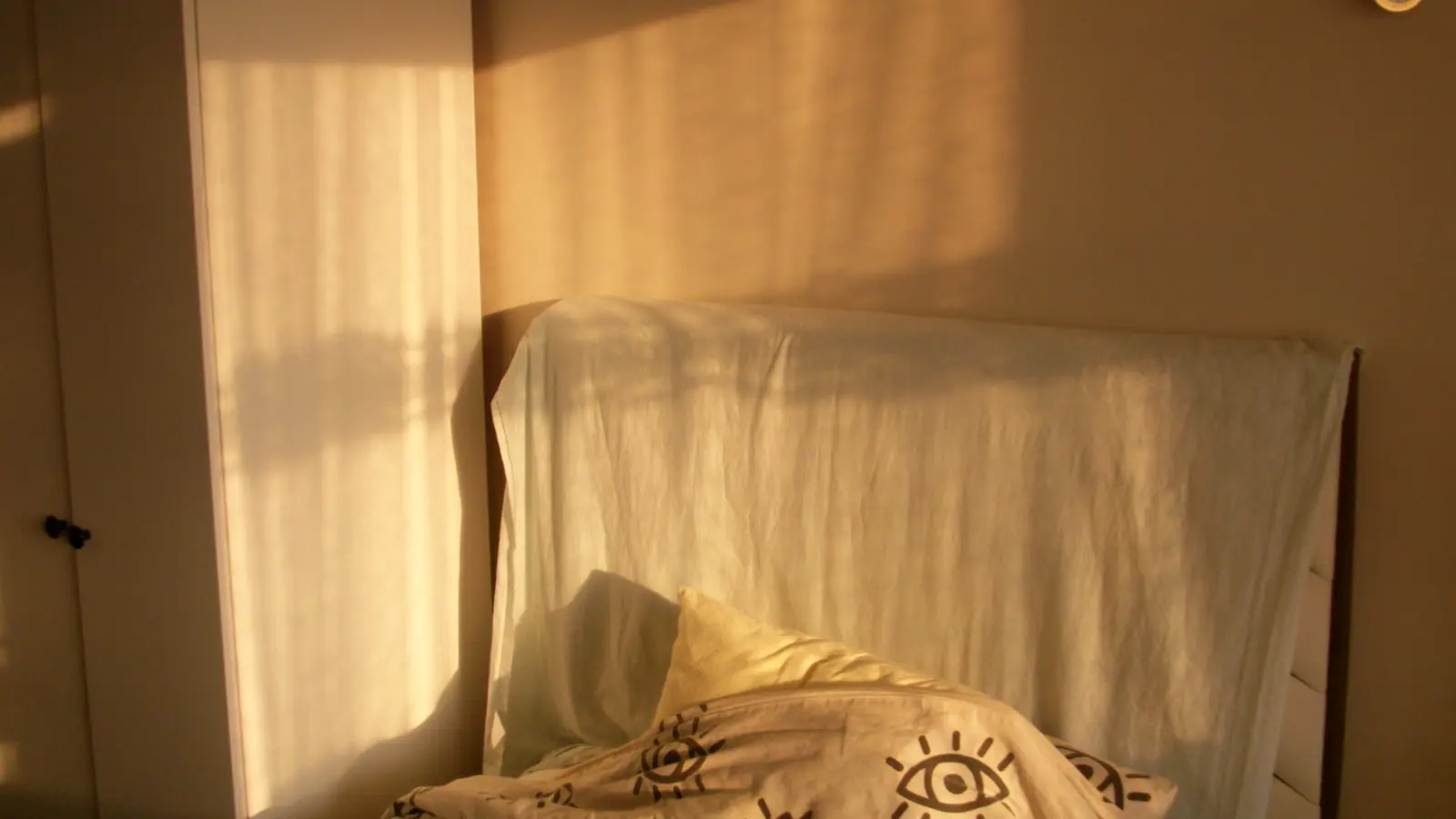

Modern sleep architecture is frequently disrupted by the intersection of artificial light exposure and high-stress environments. Clinical data indicates that the physiological mechanisms governing the sleep-wake cycle are highly responsive to environmental stimuli. The objective of sleep hygiene is not to force the body into a state of rest, but to provide the biological signals necessary for hormonal regulation. Evidence suggests that internal clocks, or circadian rhythms, are primarily calibrated by light, temperature, and cortisol modulation.
The Role of Photoreception in Circadian Entrainment
The most significant driver of the circadian rhythm is the suprachiasmatic nucleus (SCN), which processes light information. Research published in the journal Sleep establishes that specific dosages of light are required to stabilize the timing of melatonin production. A 20-minute exposure to 10,000 lux of morning light acts as a primary zeitgeber, or time-giver, for the biological clock. This exposure initiates a cascade that triggers endogenous melatonin release approximately 14 hours later. By anchoring the morning routine with high-intensity light, the body facilitates a more predictable transition into sleep, which inherently improves the quality of REM cycles.
Thermoregulation and Sleep Architecture
Beyond light, core body temperature (CBT) serves as a critical biomarker for sleep onset. The human body naturally undergoes a dip in core temperature as it prepares for nocturnal rest. Maintaining a sleeping environment between 60-67 degrees Fahrenheit (15-19 degrees Celsius) creates the optimal gradient for heat dissipation from the body. When ambient temperatures are too high, the body struggles to shed heat, which delays sleep latency and disrupts the architecture of deep sleep. Clinical studies indicate that adherence to these temperature guidelines can increase deep-sleep duration by 15-22 percent. (This is a significant gain for those suffering from fragmented sleep.)
Managing Evening Cortisol and Digital Interference
Evening cortisol levels often remain elevated due to late-night digital device usage and work-related stressors. Blue light emissions from mobile devices suppress melatonin secretion by stimulating intrinsically photosensitive retinal ganglion cells. Beyond the light spectrum, the engagement required by digital interaction maintains a heightened state of alertness. To mitigate this, clinicians advocate for a digital ‘blackout’ period. This is not mere wellness advice; it is a direct intervention to suppress the sympathetic nervous system.
The Reality of Social Jetlag
The concept of ‘social jetlag’ describes the phenomenon where an individual’s internal clock is misaligned with their social or work schedule, typically exacerbated by inconsistent sleep patterns during weekends. Experts from the Stanford Sleep Medicine Center argue that consistency is the most effective tool for long-term health. The weekend shift in sleep timing forces the body to constantly re-adjust, creating a cycle of physiological fatigue. A static sleep schedule, even on Saturdays and Sundays, is essential to minimize this dissonance.
Evaluating Supplemental Interventions
While public interest in supplements like magnesium glycinate and meditation practices has grown within online health communities, clinical focus remains firmly on environmental and behavioral foundations. Supplements may offer subjective benefits (perhaps through minor anxiolytic effects), but they do not compensate for a dysfunctional circadian rhythm. When evaluating a sleep protocol, the sequence of implementation should follow a hierarchy:
- Primary (Environmental): Morning light exposure and evening temperature control.
- Secondary (Behavioral): Consistent wake and sleep times to eliminate social jetlag.
- Tertiary (Supportive): Mindfulness or supplementation to manage residual stress.
Conclusion
The pursuit of better sleep requires a transition away from seeking ‘quick fixes’ toward a structured, mechanistic approach. By managing the triggers that the SCN responds to, individuals can effectively regulate their biological clocks. The goal remains consistent: optimize the environment, honor the body’s internal requirements for light and heat, and minimize external disruptions to the hormonal cascade. (It is a simple, albeit rigorous, standard.) Sleep is not a luxury or a lifestyle preference; it is a physiological necessity that requires deliberate environmental management.