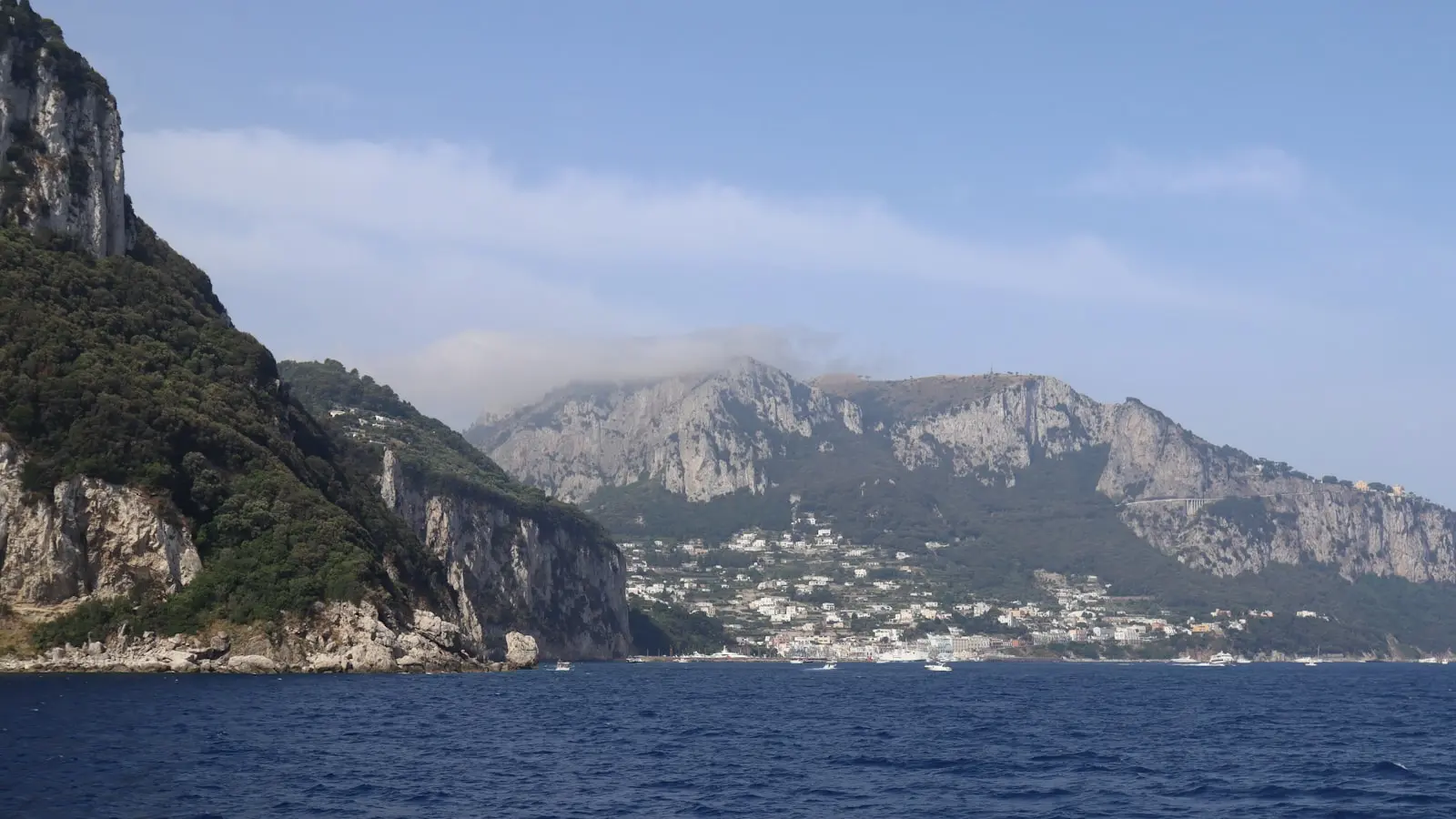

The Geography of Silence
Capri acts as a pressure valve for the Mediterranean. When the first ferries dock from Naples, the central Piazzetta transforms into a bottleneck of commerce and transient energy. The intensity is predictable, yet manageable. To reclaim the island, one must look toward the rugged western coast and the elevated quiet of Anacapri. The transition from the urban sprawl of the mainland to the limestone cliffs of the Tyrrhenian Sea requires a deliberate shift in strategy (and a total abandonment of the tourist map).
The Temporal Advantage
Timing serves as the primary currency for the traveler. Arriving before the 10:00 AM wave of day-trippers provides a brief window of atmospheric clarity. This is when the island belongs to the permanent residents and the early-riser hikers. Once the sun climbs higher, the commercial density in the town center reaches its saturation point. The solution is simple: move away from the retail architecture. The western trail systems are largely ignored by the luxury-focused crowds, offering a reprieve from the heavy foot traffic of the main tourist hubs.
Navigating the Sentiero dei Fortini
The ‘Sentiero dei Fortini’ represents the most effective tactical route for avoiding congestion. This trail system winds along the western periphery, tracing the remnants of coastal defense points. Here, the experience shifts from consumerism to raw geological observation.
- The Terrain: Rocky, exposed, and intensely quiet.
- The Objective: Accessing the hidden coves that the ferry crowds never reach.
- The Requirement: Proper footwear and a complete disregard for the retail-heavy itineraries found in standard guidebooks.
(Is it physically demanding? At times, but the isolation provides the reward.)
Lodging and the Anacapri Alternative
Choosing a base of operations defines the quality of a stay. Staying in the main town of Capri guarantees proximity to the chaos. Conversely, Anacapri sits at a higher elevation, maintaining a localized rhythm that feels distinct from the port-level commotion. It functions as a buffer zone. Residents here emphasize that silence is not just a preference, but a standard for local culture. Respecting established quiet hours and adhering to trail etiquette is not merely polite; it is the mechanism by which the island preserves its identity against the encroaching tide of mass tourism.
The 48-Hour Threshold
There is a saturation point for every destination. For Capri, that point arrives at the 48-hour mark. Beyond two days, the novelty of the coastal views begins to diminish as the logistical realities of the island’s commercial density reassert themselves. To sustain the sense of decompression, the itinerary must remain brief and focused. Attempting to force an extended stay often leads to the very fatigue that the traveler arrived to escape. (Thankfully, the island offers enough density of beauty to ensure those 48 hours are high-impact.) By focusing on the natural architecture rather than the luxury boutiques, the visitor gains an experience that is authentic, sharp, and entirely devoid of the standard tourist fatigue.