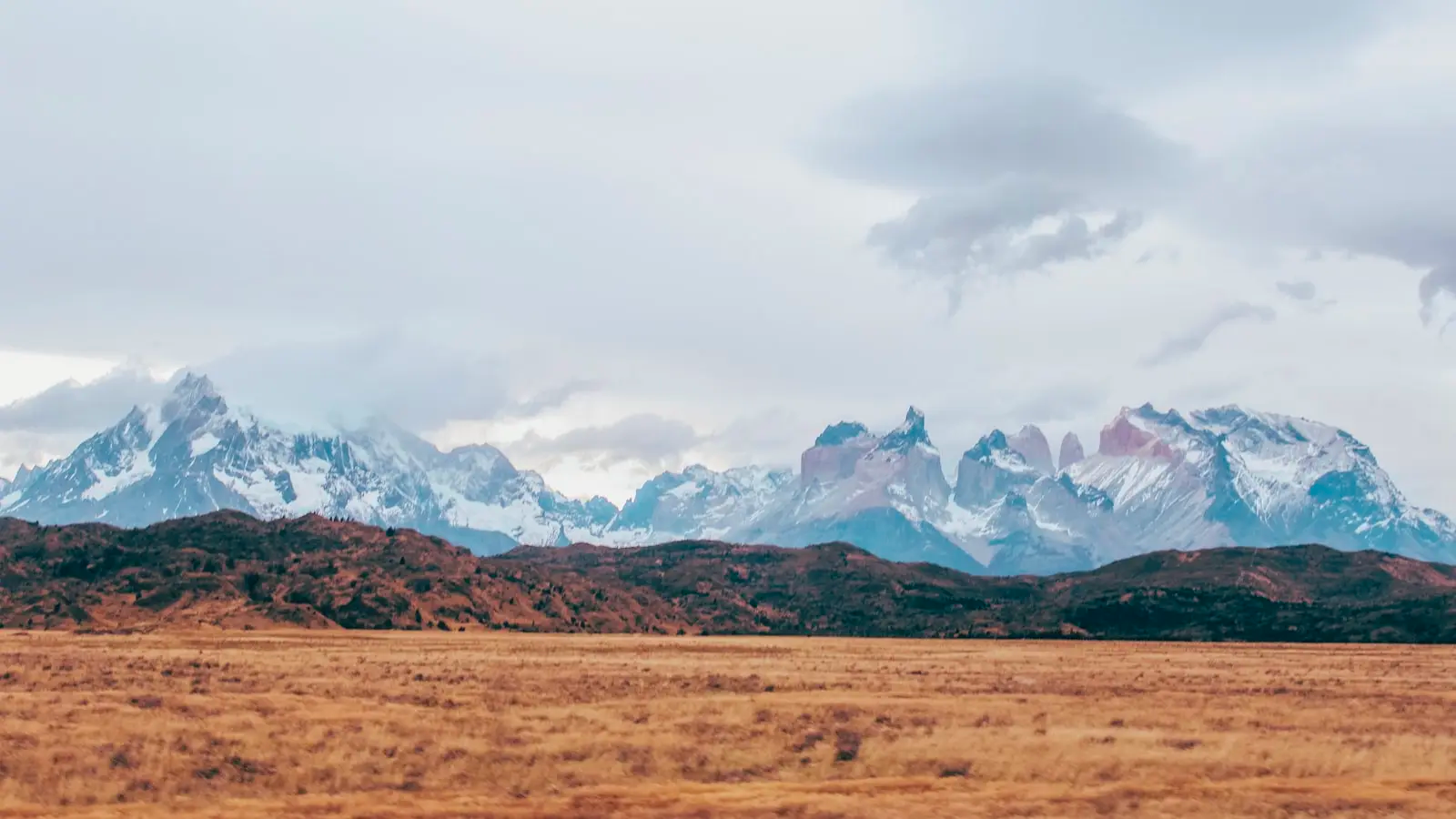

The Logistics of Vertical Geography
Chile is not a country measured in kilometers; it is measured in climate shifts. Spanning over 4,000 kilometers of rugged Pacific coastline, the nation demands a traveler who understands the friction of distance. When planning an eleven-day transit across the Atacama Desert, the Lake District, and Patagonia, the illusion of proximity vanishes the moment one hits the runway. (It is a punishing schedule.) Efficiency here is not a luxury; it is the only way to avoid spending the entire trip in a departure lounge.
Sequencing the Flight Paths
The geography dictates the movement. Strategically, the arc of travel must follow a north-to-south trajectory to minimize backtracking.
- Phase 1: The North. Start by flying directly from Santiago to Calama. This serves as the gateway to the Atacama Desert. Three days should be the ceiling for this arid environment, allowing just enough time to experience the Laguna Cejar salt pools and the high-altitude stargazing hubs.
- Phase 2: The Middle. Use Puerto Montt as the pivot point for the Lake District. The transition from the extreme, sun-scorched desert to the lush, damp green of the south is jarring.
- Phase 3: The South. Patagonia acts as the final act, requiring connections from the central hubs to the deep south.
Ground travel between these zones is a fantasy. Attempting to traverse these distances by road can take upward of 24 hours, effectively swallowing an entire day of the itinerary. Travelers must rely on pre-booked connections via LAN or Sky Airline. (Do not count on last-minute availability.)
The Packing Paradox
How does one pack for a trip that touches both the high-altitude desert and the sub-antarctic glaciers? The solution is high-performance, modular gear. A rigid adherence to layering is required.
| Region | Primary Challenge | Essential Gear |
|---|---|---|
| Atacama | Intense Solar Radiation | UV-resistant light layers |
| Lake District | Unpredictable Humidity | Waterproof shell |
| Patagonia | Arctic Winds | Insulated wind-blocking layers |
Failing to account for the thermal shift is a common error. One day you are shielding skin from desert sun; the next, you are bracing against glacial winds that carry the bite of the Antarctic circle.
The Question of Pace
Is eleven days enough to actually see Chile? Seasoned analysts and backpackers alike suggest that this schedule is essentially a “breakneck pace.” While the transit logistics work on paper, the human element—the actual absorption of culture—is frequently sacrificed at the altar of movement.
If the objective is to capture the texture of the landscape, three to four days per region is the absolute minimum window. However, the reality of air travel means that “three days” often becomes “two days and change.” If a flight delay occurs—a common feature in regional hubs—the entire structure of the trip collapses.
Strategic Recommendations
For those who prioritize depth over breadth, narrowing the itinerary to two regions is the pragmatic choice. By focusing on either the desert and the lakes, or the lakes and Patagonia, the traveler gains breathing room. (This allows for the unexpected to actually be experienced.)
For the traveler determined to conquer all three, the mandate is clear: pre-book every connection, pack with extreme precision, and accept that the airport will be a recurring setting in this story. Chile demands respect for its scale. Treat the transit as a part of the landscape itself, or risk spending an entire vacation looking at the world through a terminal window.