
The Hidden Cost of the Recovery Arms Race
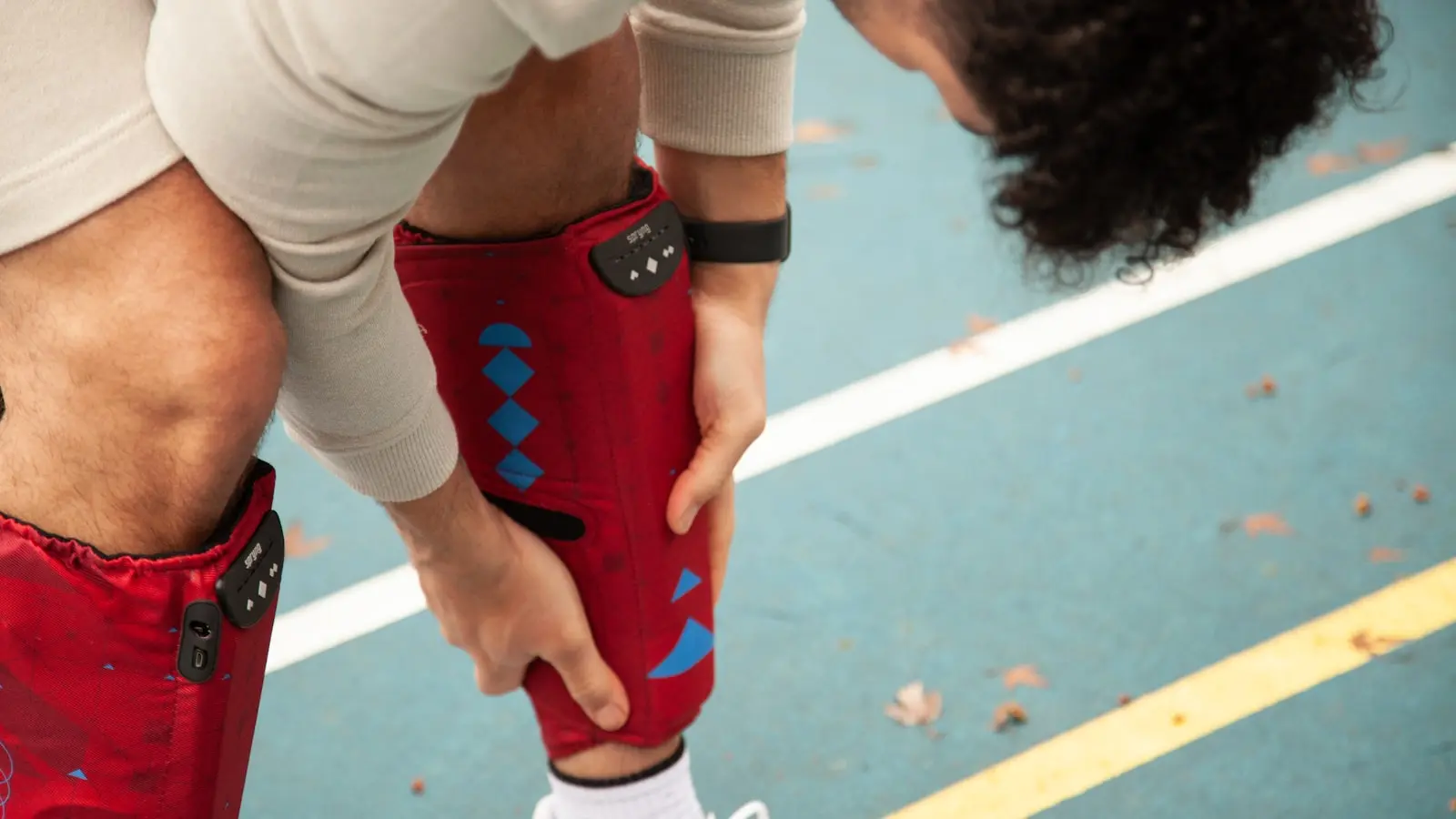
In the high-stakes environment of professional sports, where the calendar is tightening and the margins for error are razor-thin, organizations are turning toward high-tech recovery gear. From pneumatic compression sleeves to cryotherapy chambers, the investment in sideline technology has reached an all-time high. But do these gadgets actually move the needle on physiological repair, or are clubs merely buying placebo-infused comfort? The data suggests a divide between perceived relief and functional adaptation.
Analyzing the Compression and Vibration Metrics
According to the September 2023 report from the Sports Performance Science Institute, the efficacy of recovery modalities is quantifiable but limited. Pneumatic compression devices, for instance, demonstrate a 20% reduction in delayed onset muscle soreness (DOMS) when applied for a consistent 30-minute window post-training. This is a meaningful edge for an athlete on a 48-hour game cycle. Similarly, localized vibration therapy and cryotherapy chambers have shown potential in accelerating the resolution of tissue inflammation. These tools act as force multipliers for blood flow and neural modulation, yet they operate within a narrow biological bandwidth. (Are we mistaking comfort for recovery?) The statistics indicate that while these devices expedite the clearing of metabolic waste, they are not a substitute for the fundamental mechanics of cellular repair.
The Supremacy of Traditional Modalities
Despite the influx of capital into tech-heavy recovery, active recovery remains the undisputed gold standard. Low-intensity mobility work, coupled with controlled movement patterns, consistently outperforms high-tech interventions in maintaining joint health and range of motion. The physiological reality is that recovery is an internal process, not a mechanical one. If the engine is starved of fuel, no amount of external compression will restore performance. The hierarchy of recovery is clear:
- Foundational Pillars: Sleep cycles, nutritional periodization, and hydration status account for the vast majority of physiological adaptation.
- Active Mobility: Functional joint health remains tied to low-intensity movement patterns that preserve biomechanical alignment.
- Tech-Assisted Recovery: Modalities like pneumatic compression provide measurable, yet secondary, benefits to soreness reduction and inflammation management.
The Friction Between Tech and Biology
Team physicians across major leagues remain remarkably grounded amidst the pressure to adopt every new innovation. The skepticism is warranted. A device can track a heart rate or simulate a massage, but it cannot synthesize a sleep protocol or regulate the intake of necessary micronutrients. When analysts observe the turnover of rosters, the focus often shifts toward the volume of recovery equipment. This is a potential trap. If an organization shifts its focus away from sleep quality to favor a high-tech cooling chamber, it is sacrificing long-term durability for short-term convenience. (Efficiency does not equal effectiveness.)
Decoding the Investment Strategy
Why, then, is the spending increasing? For professional clubs, the answer is often found in the marginal gains narrative. If an athlete reports feeling 20% better post-compression, the team gains a psychological and physical advantage. However, stakeholders must be wary of the diminishing returns of these expensive, high-tech assets. If the core pillars of an athlete’s physiology are neglected—poor sleep architecture, inconsistent fueling—no amount of pneumatic equipment will compensate for the deficit. The data is unequivocal: modern recovery tools serve as an optimization layer, not the foundation itself. For the club that wins, the secret is rarely in the machine. It is in the relentless, boring consistency of the basics.