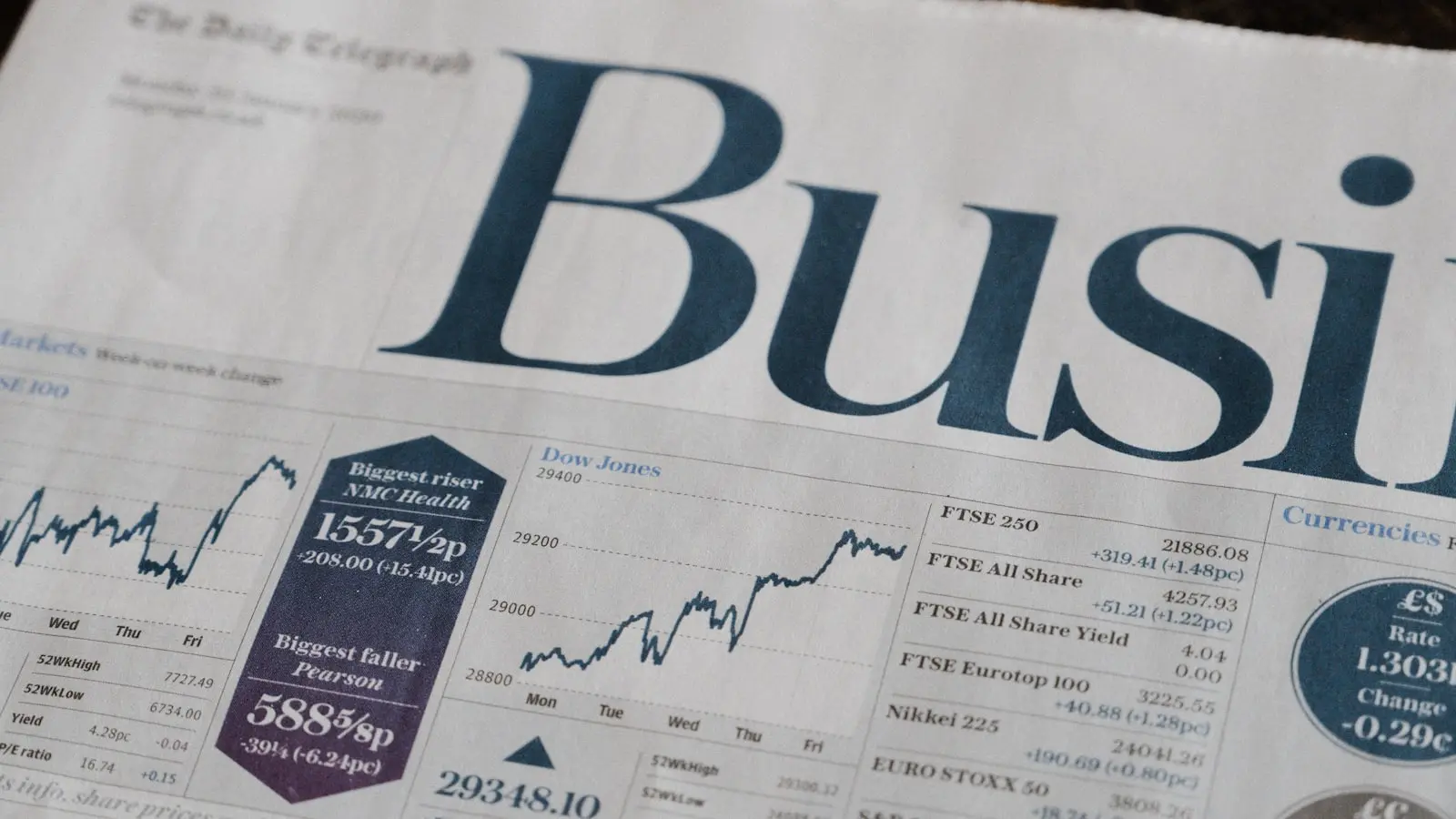

Capital markets repriced global risk in a single session. The Dow Jones Industrial Average fell sharply by 1.6%, a 785-point decline, as escalating conflict in Iran drove U.S. oil prices past the critical $80 per barrel mark for the first time in over a year. The broader S&P 500 lost 0.9%, while the tech-focused Nasdaq Composite registered a more modest 0.3% drop. The core of the market’s anxiety stems from a classic supply shock, with geopolitical risk acting as the accelerant.
The velocity of the move in energy markets was significant. West Texas Intermediate (WTI) crude, the U.S. benchmark, soared 8.5% to settle at $81.01 a barrel. This marks not only its highest level since July 2024 but also its largest single-day percentage increase since the market dislocations of 2020. Brent crude, the international benchmark, moved in lockstep, pushing above $85. This is not a paper-driven rally based on sentiment; it is a direct reaction to a physical constraint on supply. The effective closure of the Strait of Hormuz, a chokepoint through which a substantial portion of global oil passes, has left thousands of tanker vessels stranded in the Persian Gulf. The market is reacting to barrels that cannot be delivered.
This event creates a textbook inflationary shock. Higher energy prices function as a tax on the entire global economy, increasing input costs for nearly every industry, from transportation and logistics to heavy manufacturing and agriculture. The immediate consequence is a swift recalibration of monetary policy expectations. Yields on U.S. Treasury bonds rose for the fourth consecutive day as investors began to price in a more hawkish Federal Reserve. Any lingering expectations for immediate interest rate reductions have been extinguished. The central bank cannot cut rates while its primary mandate—price stability—is under direct threat from a commodity super-spike.
The Mechanism of a Geopolitical Selloff
The chain reaction from a missile launch in Tehran to a sell order on the New York Stock Exchange is swift and logical. First, the geopolitical event directly threatens a critical supply lane, creating uncertainty and a risk premium. Second, the physical disruption forces producers to cut output and consumers, primarily Asian refineries, to desperately seek alternative sources at a higher cost. Third, the resulting price surge in crude oil feeds directly into headline inflation metrics. Central banks, particularly the Federal Reserve, are cornered. Allowing inflation to run unchecked would erode economic stability, but tightening policy further could choke off an already fragile economy. This dilemma is what spooks equity investors.
The divergence between the Dow’s 1.6% drop and the Nasdaq’s 0.3% decline is telling. The Dow Jones Industrial Average is heavily weighted toward industrial, manufacturing, and consumer-facing companies that are acutely sensitive to fuel costs and economic cycles. The Nasdaq, dominated by technology firms with lighter physical footprints and different business models, is more insulated from the direct impact of oil prices, though not immune to the broader risk-off sentiment or higher borrowing costs.
Global Contagion and Sector-Specific Pressure
The shockwaves are not contained within U.S. borders. South Korea’s Kospi index experienced a historic 12% drop, a stark indicator of the global stakes. As a massive net importer of energy and a manufacturing export powerhouse, the South Korean economy is exceptionally vulnerable to this precise type of supply disruption. It serves as a leading indicator for the health of global trade when energy costs become unmanageable.
Within the U.S. market, specific sectors faced compounding pressures. Shares of Nvidia and other semiconductor manufacturers were hit not only by the broad market downturn but also by separate reports of potential new export restrictions on AI chips. This dual threat—macroeconomic headwinds from energy and microeconomic risk from regulation—creates a potent challenge for the market’s leading sector. (As if a global energy crisis was not enough for investors to process.)
The pain is also felt far from Wall Street. Farmers and truck drivers face an immediate squeeze on their margins as the price of diesel rises. This is not an abstract financial number; it is a direct hit to the profitability of the real economy, with costs that will inevitably be passed on to consumers, further fueling the inflationary cycle.
The current market environment is defined by the collision of geopolitical conflict and economic fundamentals. The initial selloff reflects the repricing of energy costs and the associated inflation risk. The next phase will be determined by the duration of the supply disruption, the response of central banks, and the ultimate impact on corporate earnings. For now, the market is rewarding caution and punishing any assumption that the path of inflation would be a smooth descent.