The Reddit Revelation
A single Reddit thread crystallized a suspicion many travelers quietly hold. The original poster described acquaintances whose vacation itineraries appeared curated for Instagram engagement rather than personal immersion. Contrast these travelers with an immigrant friend who visited their home country not for documentation but for reconnection. The discussion resonated. Hundreds of comments echoed the same pattern: trips driven by social media validation felt hollow. Performative travel, as commenters called it, left a sense of emptiness.
This anecdotal evidence aligns with a growing body of behavioral research. The phenomenon is not new, but the rise of platforms optimized for external validation has amplified the effect. When travel becomes a performance, the experience itself suffers.
Extrinsic Versus Intrinsic Motivation in Travel
Psychologists distinguish between extrinsic motivation — behavior driven by external rewards — and intrinsic motivation — behavior driven by internal satisfaction. The self-determination theory (Ryan and Deci, 2000) posits that intrinsic motivation fosters deeper engagement, creativity, and well-being. Travel motivated by likes, status, or social proof falls squarely in the extrinsic camp.
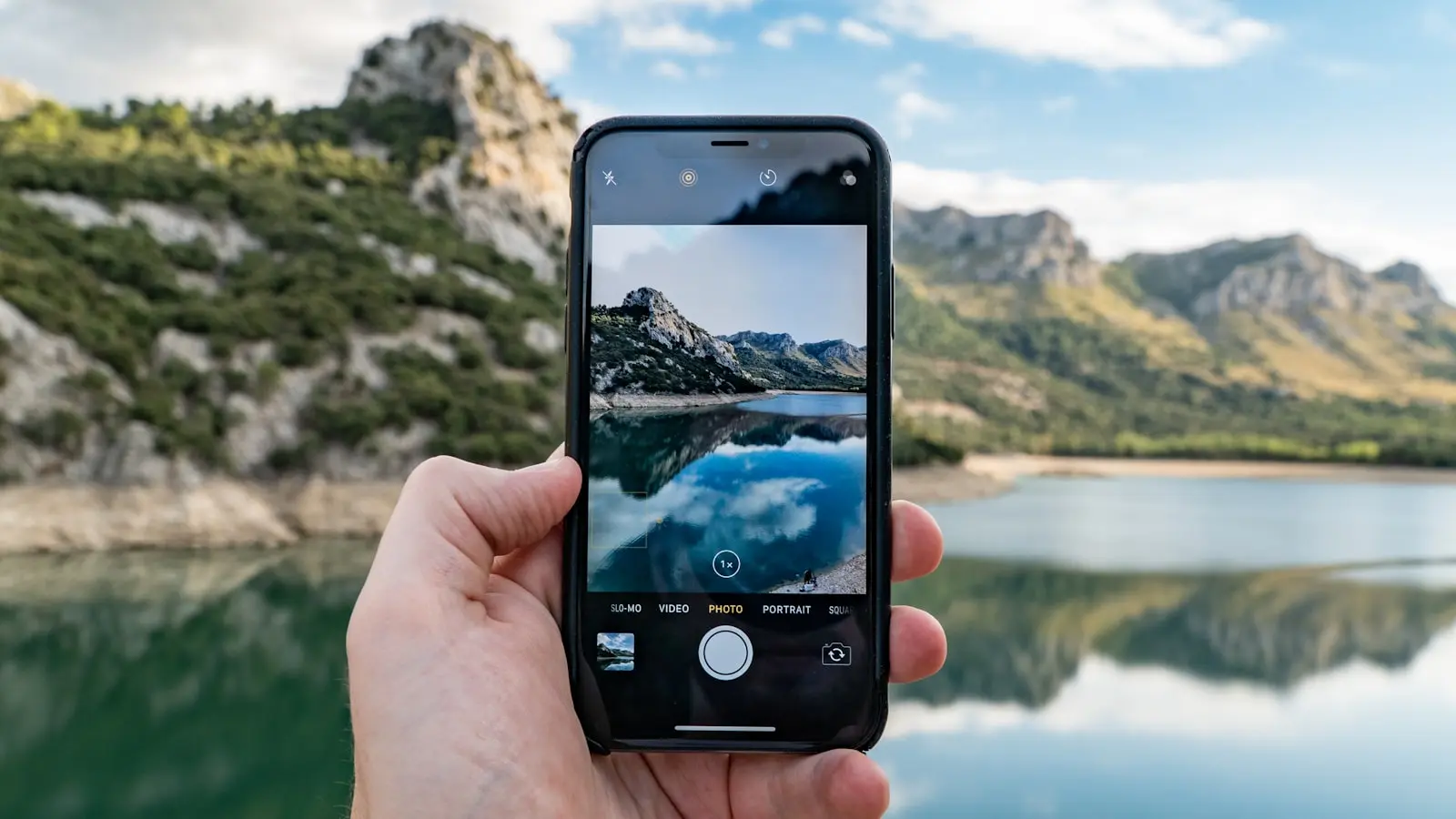
Research consistently shows that extrinsic goals reduce enjoyment in leisure activities. A meta-analysis of over 100 studies found that when people pursue activities for external reasons, their subjective well-being declines. The mechanism is straightforward: attention shifts from the sensory experience to the anticipated outcome. Instead of feeling the breeze on a cliffside, the traveler checks how the photo composes.
Mechanisms of Disenchantment
The psychological mechanism is straightforward. Extrinsic rewards shift the brain’s reward system from process to outcome. During a vacation, the process includes sensory experiences, spontaneous interactions, and unstructured time. The outcome, when oriented toward social validation, becomes the number of likes, the quality of the photo, the envy of followers. The brain devalues the process because the reward is contingent on the product. This is analogous to studies on paid creative work: when money becomes the focus, intrinsic motivation drops.
Furthermore, constant checking of social media fragments attention. A 2020 study in the Journal of Experimental Psychology found that interruptions from phone notifications reduced reported enjoyment of real-world experiences by up to 30%. The traveler never fully inhabits the moment because the phone demands intermittent engagement.
The Evidence: Social Media and Travel Satisfaction
Several studies directly measure the impact of social media on travel satisfaction. In a 2019 experiment published in the Journal of Travel Research, participants who were instructed to post updates during a vacation reported lower satisfaction than those who were told to experience the trip without posting. The difference was statistically significant.
Another study from the University of Michigan in 2021 examined the effect of photo-taking motives. Participants who took photos for personal memories reported higher enjoyment than those who took photos specifically for sharing on social media. The act of curating a feed, the researchers concluded, created a cognitive load that interfered with immersion.
The Reddit anecdotes mirror these findings. Users described trips where every meal required a staged shot, every landmark demanded a posed portrait. The constant documentation left them drained. One commenter noted that their most fulfilling vacation happened when a dead phone battery forced them to stop photographing.
The Counterargument: Sharing Can Enhance Joy
Not all travelers agree. A minority of Reddit users argued that sharing experiences on social media amplifies joy. They reported that posting made them more attentive, as they looked for beautiful details to capture. This perspective aligns with research on social sharing: positive emotions can be prolonged through reminiscing with others. But the key distinction is motive. When sharing is a secondary outcome of an already satisfying experience, it may enhance enjoyment. When sharing is the primary objective, it often undermines it.
The difference lies in the locus of control. Intrinsically motivated travelers share because they are excited. Extrinsically motivated travelers are excited because they will share. The former is responsive; the latter is performative.
The Role of Personality and Context
Not every traveler is equally susceptible. Research on the Big Five personality traits suggests that individuals high in extraversion and low in agreeableness are more likely to post for status. Similarly, those with high levels of narcissism show stronger links between social media use and travel dissatisfaction. The context also matters. A trip to a popular destination with high social media density — think Bali, Santorini, or Las Vegas — may increase pressure to perform. A remote hiking trail reduces it.
The Reddit thread reflected this diversity. Some commenters admitted they felt compelled to post because their peers expected it. Others said they only shared after returning, and that gave them a sense of closure. The key variable is timing: posting in real time versus retrospective sharing. Retrospective sharing may preserve the immersive experience because it does not interrupt the moment.
Practical Implications for the Traveler
The evidence speaks clearly. Travel satisfaction improves when the traveler disconnects from social validation loops. Practical steps include setting personal intentions before departure, consciously limiting photo stops, and scheduling periods without phone access. Travelers can also reframe their motive: instead of asking “What will look good online?” ask “What will feel good in the moment?”
The most effective intervention may be the simplest. Leave the phone in the hotel room for an afternoon. Observe the surroundings without the pressure to document. The memory will last longer than any post.
Conclusion
The Reddit discussion was not an isolated complaint. It reflected a measurable pattern in travel psychology. When external rewards become the driver, internal satisfaction diminishes. The choice is not between sharing and experiencing; it is between authentic engagement and performative display. For those seeking genuine vacation satisfaction, the data recommends one path.