
The Surface Myth vs Biomechanical Reality
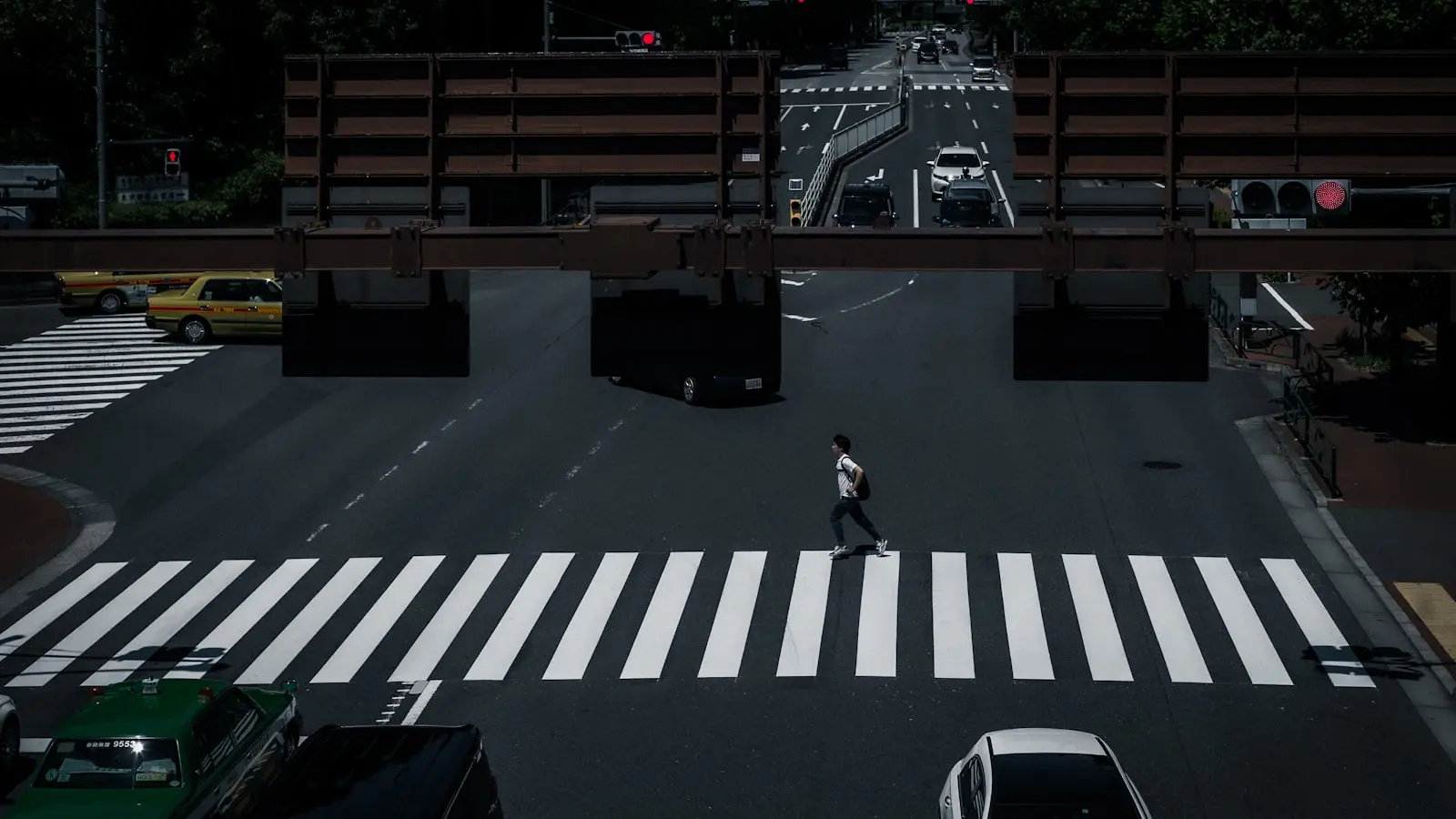
For decades, the narrative surrounding long-distance training has been dominated by a singular, persistent fear: the hardness of the pavement. Runners avoid concrete with the caution usually reserved for ice, believing that every stride on the sidewalk is an incremental withdrawal from their joint cartilage account. (Is this truly the case?) According to the November 2023 Sports Biomechanics Review, the data suggests otherwise. While concrete undeniably increases ground reaction forces compared to softer surfaces like grass or synthetic tracks, it is not an inherent agent of osteoarthritis. The human knee is remarkably resilient. It is designed to dissipate energy through kinetic chains that involve more than just the joint itself.
The Physics of Impact Loads
When a runner strikes the pavement, the skeletal system experiences a shockwave. On concrete, this force is immediate and sharp. However, the internal mechanics of a stride are malleable. A study tracking 500 runners identified a critical lever for impact management: cadence. Research confirms that increasing step rate to the 170-180 steps per minute range effectively distributes stress. By shortening the stride, runners decrease the vertical oscillation of their center of mass. This adjustment reduces the impact load per stride by up to 15%. This mathematical shift occurs regardless of the surface hardness. If the body manages the force before it reaches the knee, the texture of the ground becomes a secondary variable.
Variables That Outweigh Surface Texture
Athletic trainers and biomechanical analysts consistently point toward two primary factors that determine injury risk: individual gait efficiency and muscle strength. The structural integrity of the knee is largely supported by the muscles surrounding the joint—specifically the quadriceps and the gluteal complex. When these muscles fatigue, the joint takes the brunt of the load. (A predictable outcome.)
| Factor | Impact on Joint Health | Relative Influence |
|---|---|---|
| Running Surface | Marginal | Low |
| Cadence | Significant | High |
| Muscle Strength | Foundational | Very High |
| Training Volume | Cumulative | Very High |
The Importance of Progressive Loading
The most common cause of repetitive stress injury is not the concrete, but the volume. Runners often increase their weekly mileage too rapidly, ignoring the time required for tendons and bones to adapt to load. Biomechanical efficiency, or the ability to maintain proper form under fatigue, determines the longevity of a runner. When form breaks down, stress shifts. It is here that concrete becomes a problem. On a softer surface, a runner might get away with poor mechanics for longer; on concrete, the feedback loop is immediate and painful. This is the difference between an acute injury and an adaptation stress.
Shifting the Focus Toward Longevity
Rather than obsessing over whether to run on the asphalt or the shoulder of the road, athletes should focus on the metrics that define their performance.
- Cadence Optimization: Aim for the 170-180 range to minimize vertical impact.
- Strength Conditioning: Prioritize unilateral movements to balance load distribution across both legs.
- Gradual Adaptation: Follow the ten-percent rule for weekly mileage increases to allow for physiological tissue recovery.
(Frankly, the fear of pavement is a distraction.) The science indicates that the human musculoskeletal system is not made of glass. With proper gait training and adequate muscle support, the surface underfoot is a manageable environment. The scoreboard of joint health is written in strength, consistency, and mechanics—not in the composition of the running path.