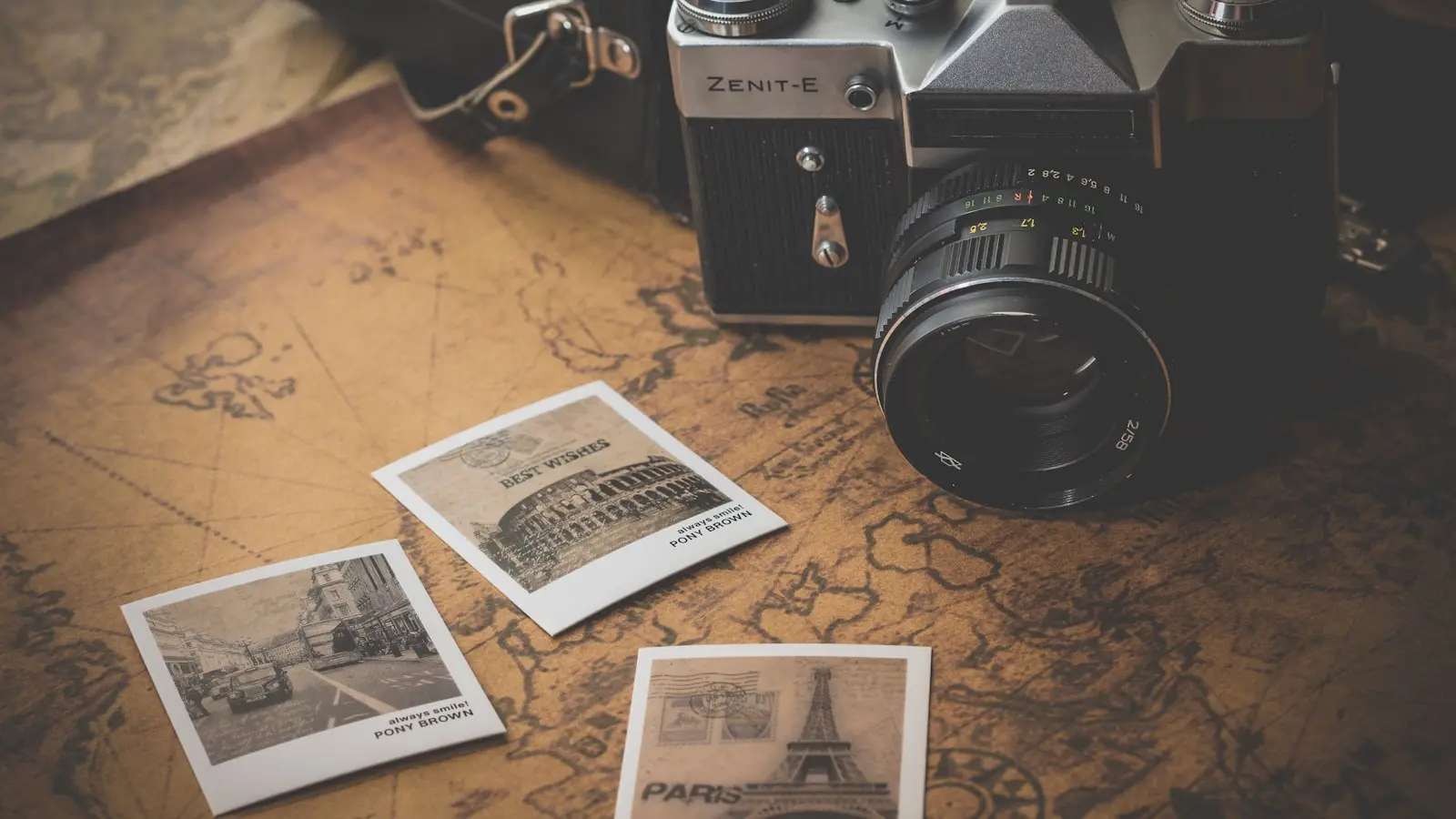
A pattern has emerged in online discussions about modern travel: the act of curating social media content during a trip may actively reduce the traveler’s enjoyment. Reddit threads, particularly in travel and psychology communities, are filled with users who report that stepping away from constant documentation allowed them to feel more immersed. One user described deleting their travel posts mid-trip and noticing a significant increase in sensory engagement. These anecdotes align with a well-documented psychological phenomenon called photo-taking impairment, which has been studied in controlled laboratory settings.
The Mechanism Behind Photo-Taking Impairment
The term “photo-taking impairment” was coined by psychologist Linda Henkel in a 2014 study published in Psychological Science. The core finding is straightforward: when people take a photograph of an object or scene, their memory for that object or scene often becomes weaker compared to when they simply observe it without a camera. The act of clicking a shutter appears to signal the brain that the information has been outsourced to an external device. As a result, the brain allocates fewer cognitive resources to encoding the details internally. This is a form of offloading: the camera becomes a prosthetic memory, and the human memory does the minimum work required.
Henkel’s experiment involved participants touring a museum. Those who photographed the exhibits performed worse on a subsequent memory test for the visual details of those objects than participants who only looked. Importantly, a subset of participants who zoomed in on specific parts of the objects retained better memory for those zoomed-in details, suggesting that the impairment is not inevitable. The key variable is the cognitive effort invested during the act of capturing. Just pointing and shooting on autopilot produces minimal encoding. Deliberately composing a frame or focusing on a detail requires more attention and can partially counteract the impairment.
Social Media Amplifies the Impairment
When photography is combined with the demands of social media posting, the cognitive load increases further. A traveler is not just taking a picture; they are also framing a narrative, considering lighting and angles for an audience, and mentally preparing a caption. This splits attention across multiple tasks, leaving less bandwidth for sensory immersion. The brain’s limited attentional resources are diverted from the present-moment experience to a simulated future where the image is viewed and judged by others. (The irony is that the listener never exists exactly as imagined.)
Reddit users frequently describe a tipping point: when the drive to post becomes the primary motivation for the trip, the vacation loses its restorative quality. One thread titled “Traveling for the Instagram or traveling for yourself” gathered hundreds of comments from people who admitted that trips designed around photo opportunities felt hollow. They reported returning home with a gallery of curated images but with memories that felt thin or scripted. In contrast, trips where social media was deliberately minimized or banned left participants with richer recall and a stronger sense of novelty.
The Seduction of External Validation
The urge to document and share is not inherently pathological. Humans have a natural desire to share experiences and create lasting tokens of joy. Social media amplifies this by adding a reward loop: likes, comments, and engagement metrics provide immediate social reinforcement. This feedback can hijack the travel experience, turning a vacation into a performance. Every sunset becomes a potential wallpaper; every meal becomes a flat-lay opportunity. The trip becomes a set of raw materials for content, rather than an experience to be lived.
A 2018 study in the Journal of Consumer Research examined how taking photos for social media affects enjoyment. The researchers found that when participants were told their photos would be shared publicly, they enjoyed the experience less than those who took the same photos for private use only. The pressure to produce shareworthy content increased anxiety and reduced spontaneity. The act of documenting for an audience shifted the focus from the moment to the outcome. (Consider how often you have seen someone view a beautiful landscape through a phone screen rather than with their own eyes.)
When Photography Enhances Rather Than Diminishes
Photography itself is not the enemy. Many people use cameras to deepen their engagement with a scene, particularly in travel contexts where visual memory is a primary goal. The distinction lies in the intention and the cognitive effort. Taking a few intentional photographs with a real desire to capture a detail can improve memory for that detail. The impairment emerges when the act becomes robotic, frequent, and subordinated to social media metrics.
Research suggests that limiting photo-taking to specific moments rather than a constant stream can preserve presence. One practical strategy: set aside time for photography, such as a dedicated 15-minute photo walk each day, and otherwise keep the phone away. Another approach is to postpone all posting until after the trip, eliminating the real-time pressure to curate. Many travelers on Reddit report that this simple change transformed their experience, allowing them to be fully present during the day while still enjoying the nostalgia of sharing memories later.
The Role of Intentionality
The evidence converges on a simple principle: the more intentional you are about why and how you photograph during a trip, the less likely you are to experience impairment. Mindless, frequent snapping for social consumption is the highest-risk behavior. Purposeful, rare, and detail-focused photography for personal recollection may even enhance memory. The key is to treat the camera as a tool for focus, not a sedative for attention.
Psychologists recommend the “Vegas Rule” for travel: what happens on the trip does not need to be immediately uploaded. Delayed sharing allows the experience to be processed fully, and it often produces more thoughtful content anyway. (Plus, no one actually needs to see a restaurant meal in real time.)
Conclusion: Presence Over Performance
The drive to document is understandable. Photographs are powerful memory aids when used correctly. But when the documentation process hijacks the experience, the traveler loses the very thing they sought to capture: the feeling of being somewhere new. The Reddit anecdotes and the psychological literature agree: the most satisfying trips are those where the traveler is inside the moment, not hovering above it with a camera. The choice to post less is not a sacrifice. It is a trade—one that often yields a far richer return on the investment of time and money spent traveling.
If you find yourself scrolling through a past vacation’s posts and realizing the memories feel shallow, consider the possibility that the camera may have stolen more than it saved. The next trip might be better enjoyed through your own eyes first, and through the lens only when the experience demands it.