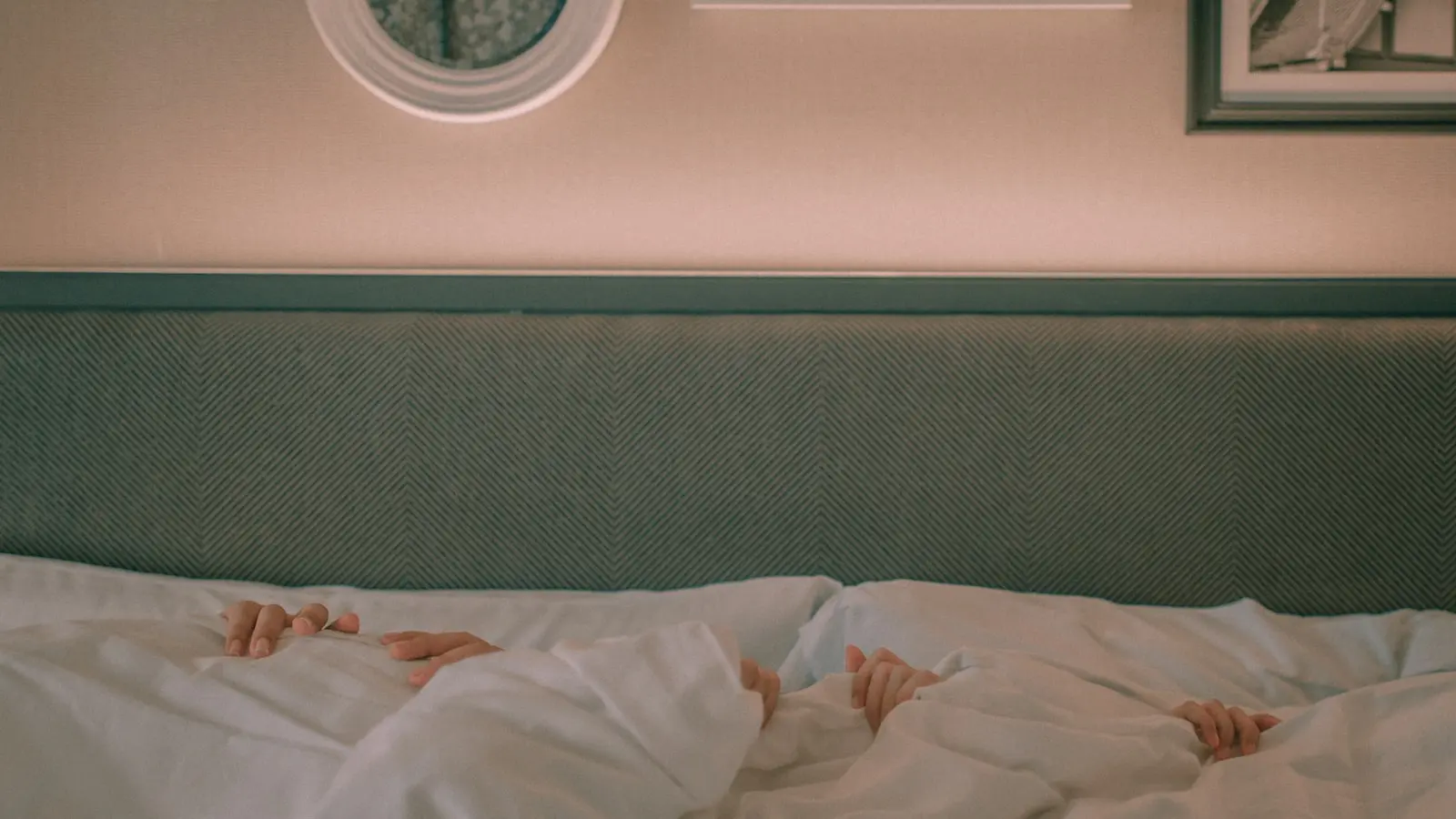
Social media platforms increasingly function as open-source clinical trial spaces. Over the last year, millions of users began taping their lips shut before bed, seeking deeper rest. The Sleep Foundation documented this shift in early 2024, noting a sharp rise in individuals treating mechanical sleep issues with inexpensive adhesive strips. They aim to force continuous nasal breathing, stop mild snoring, and bypass standard medical interventions entirely. Medical professionals immediately issued warnings. Restricting the airway without prior structural evaluation presents severe physiological risks.
A single roll of medical tape costs under two dollars. In contrast, Continuous Positive Airway Pressure machines require specialized diagnosis, titration studies, and maintenance exceeding a thousand dollars. The financial gap drives adoption. Proponents claim the tape reduces soft tissue vibration in the throat. Clinical measurements do show that exclusive nasal breathing increases nitric oxide production and filters ambient particulate matter. Yet, otolaryngologists emphasize a critical distinction. The intervention works for isolated, mild snoring. It actively endangers those with structural obstructions.
When engineers watch continuous positive airway pressure motors cycle next to cluttered bedside tables, the appeal of a simple physical barrier becomes clear. The machinery feels invasive. Tape feels straightforward. But physical reality intervenes.
The Mechanics of Nasal Dominance
To understand the application of lip adhesion during sleep, one must examine the fundamental differences between oral and nasal respiration. The human airway functions as a multi-stage processing facility. The nasal cavity contains turbinates. These bony structures heat and humidify incoming oxygen while microscopic cilia trap airborne irritants. (Filtration matters at night). More critically, paranasal sinuses release nitric oxide during inhalation. This gas acts as a potent vasodilator. It expands blood vessels and improves oxygen transport efficiency in the pulmonary system.
When individuals breathe through the mouth, they bypass this entire conditioning system. Cold, dry air strikes the posterior oropharynx. Saliva evaporates. The resulting dryness triggers inflammation and increases the friction of soft tissues as air passes over them. This tissue flutter generates the auditory frequency recognized as snoring. Forcing the mouth closed redirects airflow through the engineered nasal pathways. The tissue stabilizes. The noise stops. The mechanism proves sound for simple palatal snoring.
The Structural Obstruction Problem
However, respiratory logic fractures when applied to Obstructive Sleep Apnea. OSA represents a mechanical collapse of the airway, not merely a minor tissue vibration. During sleep, the musculature supporting the tongue and soft palate relaxes. Gravity pulls these structures downward. In individuals with narrow posterior airways, this physical shift completely blocks oxygen transmission to the lungs.
Placing tape over the mouth of a patient with OSA eliminates their primary emergency ventilation route. If the nasal passage is blocked by a deviated septum, enlarged adenoids, or acute congestion, the individual possesses zero functional airways. Oxygen saturation drops precipitously. The brain detects rising carbon dioxide levels and forces a micro-arousal, prompting the patient to gasp for air. If tape binds the lips, the sympathetic nervous system escalates the panic response. Heart rates spike. Blood pressure surges. (The cardiac load becomes immense).
Clinicians report cases where undocumented sleep apnea patients utilized mouth tape to silence their snoring. The spouses slept better. The patients suffered profound nocturnal hypoxia. The tape masked the auditory signal of an ongoing respiratory crisis. Silence does not equal oxygenation.
Cost Arbitrage in Wellness Protocols
The rapid adoption of mouth taping reveals a structural flaw in modern healthcare delivery. Patients seek immediate, low-cost resolutions. The diagnostic pathway for sleep disorders requires multiple physician visits, overnight laboratory observation, and expensive equipment procurement. Continuous Positive Airway Pressure machinery acts as a pneumatic splint. It forces filtered, humidified air down the trachea, physically propping the soft palate open to resolve the mechanical collapse. Consumers view tape as a biohacking shortcut. They identify a symptom, source a cheap supply chain fix, and apply it without baseline physiological data.
Health subreddits aggregate these self-reported interventions. Users upload screenshots of consumer sleep tracker data indicating increased deep sleep durations and lowered resting heart rates. They report the total elimination of morning dry mouth. These subjective improvements carry weight in digital communities. They convince others to bypass clinical evaluation.
The problem stems from survivorship bias. Individuals with healthy nasal structures and mild, non-obstructive snoring see benefits and post their results. Those who experience panic attacks, severe oxygen desaturation, or skin tearing from improper adhesives abandon the practice quietly. Medical professionals do not dismiss the reports of the successful cohort. They require the public to understand the baseline conditions necessary for that success.
Identifying Anatomical Baselines
Not everyone possesses the necessary architecture to sustain unassisted nasal breathing for eight continuous hours. The nasal valve represents the narrowest point in the human respiratory system. A minimal structural deviation here restricts airflow exponentially.
Otoscopic examination frequently reveals undiagnosed variables. Hypertrophied turbinates, septal spurs, and chronic allergic rhinitis reduce the total cross-sectional area of the nasal passage. When an individual stands upright and awake, compensatory mechanisms maintain adequate flow. When horizontal, venous engorgement swells the nasal tissues further. The passage narrows. During Rapid Eye Movement sleep, skeletal muscle atonia peaks. The airway reaches maximum vulnerability. This is exactly when nasal resistance proves highest.
Individuals considering mouth taping must establish airway patency first. Clinicians suggest testing nasal dominance during daylight hours. A patient must sustain high-exertion cardiovascular activity using strictly nasal breathing. If they resort to mouth breathing to meet oxygen demand, their nasal passage cannot support them during baseline sleep states. (Do not ignore this failure).
Evaluating the Intervention Safety Protocol
If a patient clears the structural evaluation, safety protocols still apply. Clinicians strictly advise against using standard household or industrial tapes. These adhesives utilize chemical compounds not rated for extended dermal contact. They strip the stratum corneum upon removal and provoke contact dermatitis.
Medical-grade, hypoallergenic porous tape serves as the only acceptable material. Furthermore, application technique dictates safety. Complete adhesion across the entire width of the lips presents unnecessary risk. A small vertical strip positioned over the center of the lips provides the necessary physical cue to keep the jaw closed while allowing the corners of the mouth to open in an emergency. The goal involves retraining jaw posture, not creating an airtight seal.
Individuals with diagnosed OSA, central sleep apnea, chronic obstructive pulmonary disease, or cardiovascular illness must avoid this intervention entirely. The margin for error regarding oxygen deprivation in these populations remains too narrow. A holistic trend cannot override structural pathology.
Clinical Reality vs Viral Enthusiasm
The medical consensus relies on strict categorization. Mouth taping offers a biologically sound mechanism to increase nitric oxide absorption and eliminate benign soft tissue snoring by forcing nasal dominance. The physiological benefits of nasal breathing remain undisputed in clinical literature. However, utilizing physical barriers to force respiratory compliance without prior structural imaging mimics applying a tourniquet without diagnosing the bleed.
The viral enthusiasm for cheap sleep solutions outpaces the public understanding of airway mechanics. While consumer sleep tracking software and online forums democratize access to health data, they cannot detect a collapsed pharynx. The intervention demands precision. Silence achieved through oxygen deprivation represents pathology, not wellness. Individuals must secure clinical clearance to ensure their anatomy can withstand the restriction. Only evidence guarantees safety.