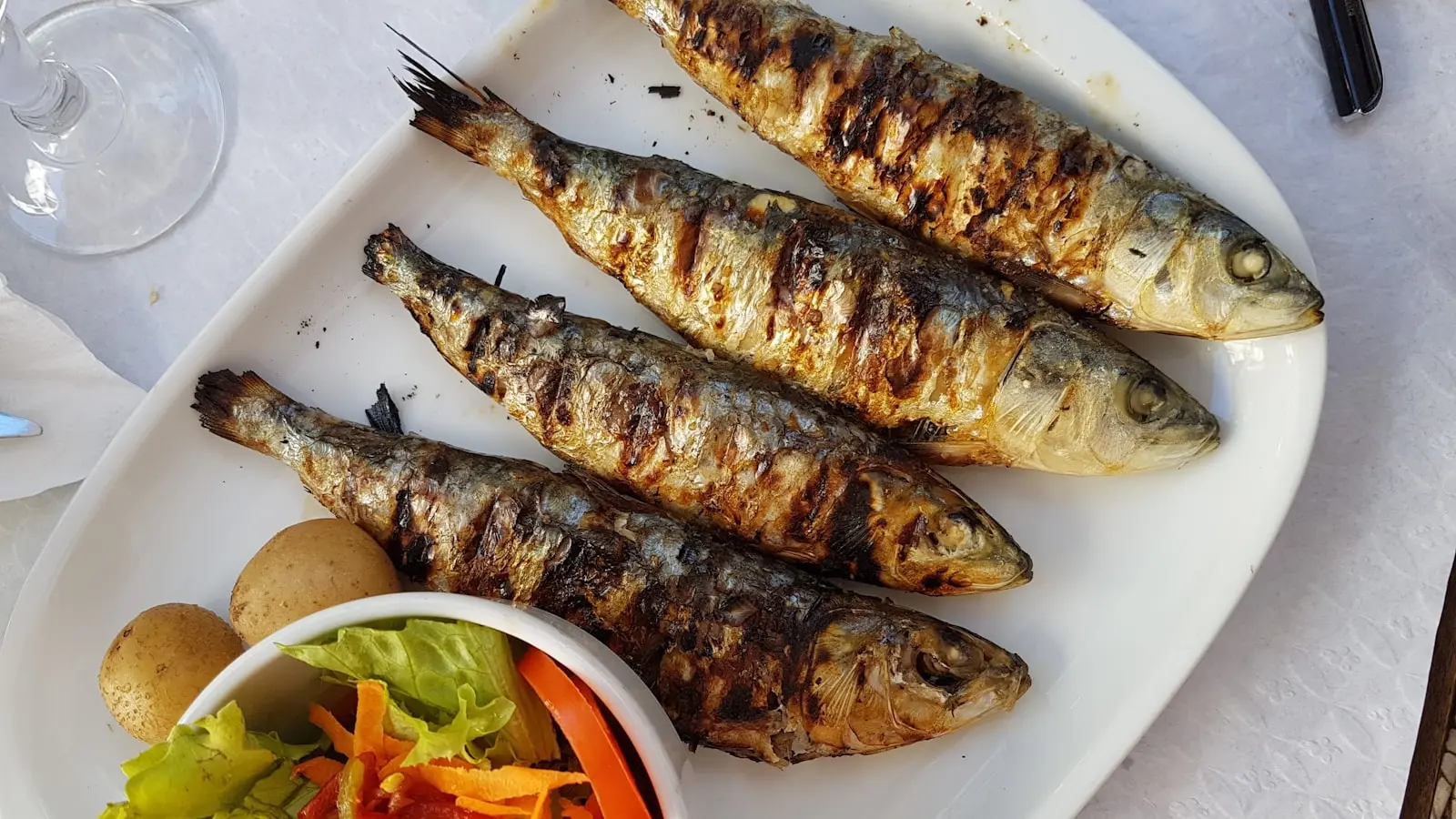
A prevalent concern in nutrition circles is whether the heat of cooking renders omega-3 fatty acids useless. This question surfaced in an online community where a user asked if fully cooking mackerel fillets destroys the omega-3 content, leaving sushi or sashimi as the only effective consumption method. The short answer is no. Cooking does degrade some omega-3, but the loss is far from total, and cooked mackerel remains a potent source of EPA and DHA.
The Thermal Sensitivity of Omega-3
The double bonds in EPA and DHA make them vulnerable to oxidation. Degradation begins at around 50°C (122°F) and accelerates with time and temperature. However, standard cooking processes rarely eliminate all fatty acids. Research from food science studies quantifies the losses: baking at 200°C for 20 minutes reduces DHA by 10-15%. Deep frying, which exposes fish to higher temperatures and more oxygen, leads to losses of 20-40%. Grilling, poaching, and steaming produce intermediate figures.
These numbers represent a range, not a binary outcome. The specific loss depends on fillet thickness, oil type, and cooking duration. A thin mackerel fillet fried for eight minutes will lose more than a thick fillet baked for fifteen minutes. The key variable is thermal exposure, not cooking per se.
Comparing Cooking Methods
Not all cooking methods degrade omega-3 equally. The following table summarizes typical retention rates based on published data:
| Cooking Method | Typical Temperature | DHA Loss Range |
|---|---|---|
| Poaching | 70-90°C | 5-10% |
| Steaming | 100°C | 10-15% |
| Baking | 180-200°C | 10-15% |
| Grilling | 200-250°C | 15-25% |
| Deep frying | 170-190°C (oil) | 20-40% |
Poaching is the gentlest method. It uses water at sub-boiling temperatures, minimizing oxidative stress. Steaming and baking at moderate heat (180°C) also preserve most omega-3. Grilling introduces direct heat and potential charring, while deep frying produces the greatest losses due to oil oxidation and prolonged heating.
(Is the difference meaningful? In absolute terms, a 15% loss from baking is negligible. A cooked fillet still supplies 2-3 grams of combined EPA and DHA, well above the recommended daily intake of 250-500 mg.)
Why Cooked Fish Still Counts
Many individuals rely on cooked fish for taste, texture, or safety. Raw fish carries risks of parasites (e.g., Anisakis) and bacterial pathogens such as Vibrio. For immunocompromised individuals, pregnant women, or those with weak digestion, cooking is the safer option. The trade-off is minimal. A 20% reduction in omega-3 is far preferable to avoiding fish altogether.
The belief that cooking destroys all benefit stems from a misunderstanding of degradation kinetics. Heat does break down lipids, but the process is gradual. A fillet retains the majority of its fatty acids after standard cooking times. Moreover, the bioavailability of remaining omega-3 is unaffected. The human body absorbs EPA and DHA from cooked fish efficiently.
Practical Takeaways
For those seeking maximum omega-3 retention, choose gentle cooking methods. Poach mackerel in lightly salted water for 10-12 minutes. Bake at 180°C for 15 minutes with a splash of lemon juice to limit oxidation. Avoid extended frying or charring. If deep frying is preferred, use fresh oil and cook quickly.
The Reddit user can cook their mackerel confidently. Sushi and sashimi offer slightly higher omega-3 levels, but they are not the only effective options. Cooked mackerel remains an excellent source of these essential fatty acids, especially when paired with a diet rich in other omega-3 sources like walnuts or flaxseed.
Conclusion
Cooking mackerel does not destroy its omega-3 content. Evidence from multiple studies shows that moderate heat causes minor degradation, and cooked fish retains significant EPA and DHA. The choice between raw and cooked should be based on personal preference and safety, not unfounded nutritional concern. A well-cooked mackerel fillet is a valuable part of a healthy diet.
The community question reflects a common but unnecessary worry. The science is clear: heat does not render omega-3 useless. Cook your mackerel. Enjoy it. You are still getting the benefits.