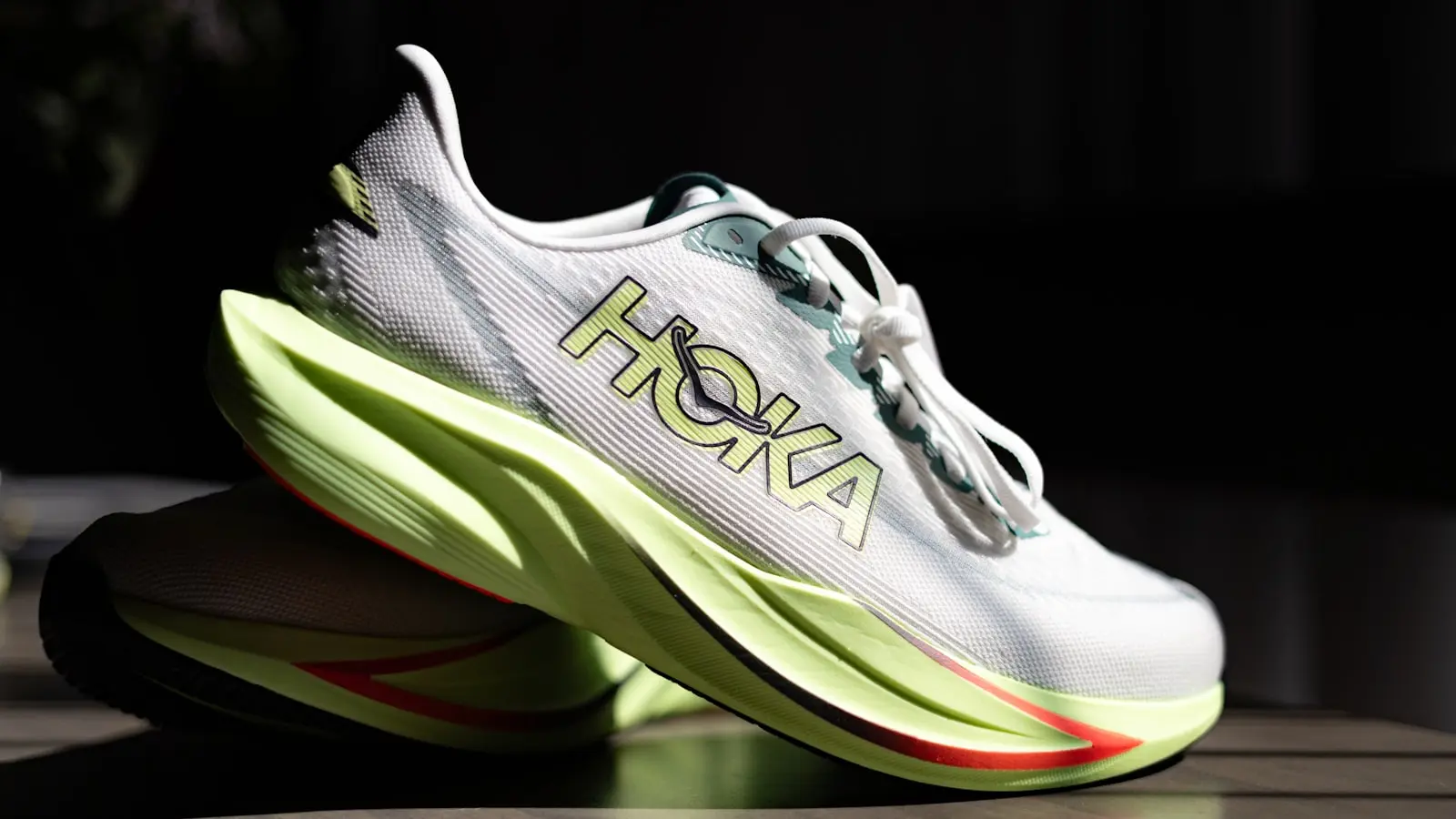

The data is unambiguous. In the landscape of elite distance running, carbon fiber plated footwear has fundamentally altered the physical boundaries of human endurance. Mechanical analysis suggests a 3% to 4% improvement in running economy. (Is this efficiency gain actually transferable to the mid-pack marathoner?) Research published in the International Journal of Sports Physiology and Performance confirms that these shoes facilitate increased stride length while mitigating muscular fatigue during the final 10 kilometers of a race. Elite records have tumbled, but the transition from the laboratory to the local running club requires a more nuanced investigation.
The Mechanics of the Super Shoe
The technological leap originated in 2017 with the Nike Vaporfly series. Before this pivot, footwear was primarily an exercise in impact protection and weight reduction. Today, the design paradigm relies on high-energy-return foam paired with a rigid carbon fiber plate. This geometry acts as a lever, shortening the duration of ground contact while amplifying the propulsion generated by the runner. Elite athletes see the dividends in split times and post-race recovery metrics. The data confirms the shift: reduced metabolic cost allows for sustained intensity when fatigue usually induces a performance drop-off.
The Amateur Performance Gap
For the recreational runner, the reality is frequently more complex than the marketing copy suggests. While the 3% efficiency increase holds in controlled trials with high-cadence, elite-level strikers, it is not a uniform benefit.
- Stride Mechanics: Amateurs often lack the eccentric strength required to stabilize a stiff, highly-responsive platform.
- Pronation Control: Without the appropriate structural support, these shoes can force a runner into awkward loading patterns.
- Fatigue Profiles: Elite runners spend years conditioning their feet; the average participant may not have the foot intrinsics to handle the radical shifts in plantar pressure.
(There is a thin line between propulsion and injury.) The incidence of repetitive strain is higher in groups utilizing super shoes without accounting for their specific gait cycle. While the pros treat these as tools for a specific race day environment, amateurs often adopt them as daily trainers. This is a critical tactical error. The lack of stability in many high-stack race shoes can lead to lateral instability, turning a performance boost into a catalyst for chronic injury.
Financial and Psychological Barriers
Beyond the biomechanics, the barrier to entry is firm. With prices scaling between $250 and $300, these tools create an economic tiered system within the sport. If a runner allocates a significant portion of their fitness budget to a pair of shoes that degrade after 200 miles of use, the cost-per-mile investment becomes unsustainable. The industry has effectively commodified the advantage. Is it performance enhancement or simply equipment arbitrage?
Assessing the Tradeoff
The decision to incorporate carbon-plated footwear into a training regimen should depend on two variables: technical proficiency and injury history. If a runner possesses a consistent gait and sufficient lateral strength, the shoes offer a measurable efficiency boost. If the runner struggles with stability, the mechanical advantage provided by the plate may be negated by the increased risk of tendonitis or stress-related fatigue. Analysts are increasingly recommending that amateurs reserve these shoes for specific speed sessions or race days, rather than treating them as an everyday solution for improved times. The numbers indicate that the engine must be built before the turbocharger is installed. Relying on footwear to bridge the gap in fundamental conditioning is a strategy prone to failure. Efficiency is a cumulative output of thousands of miles, not a byproduct of a specialized midsole material stack of a proprietary midsole material.