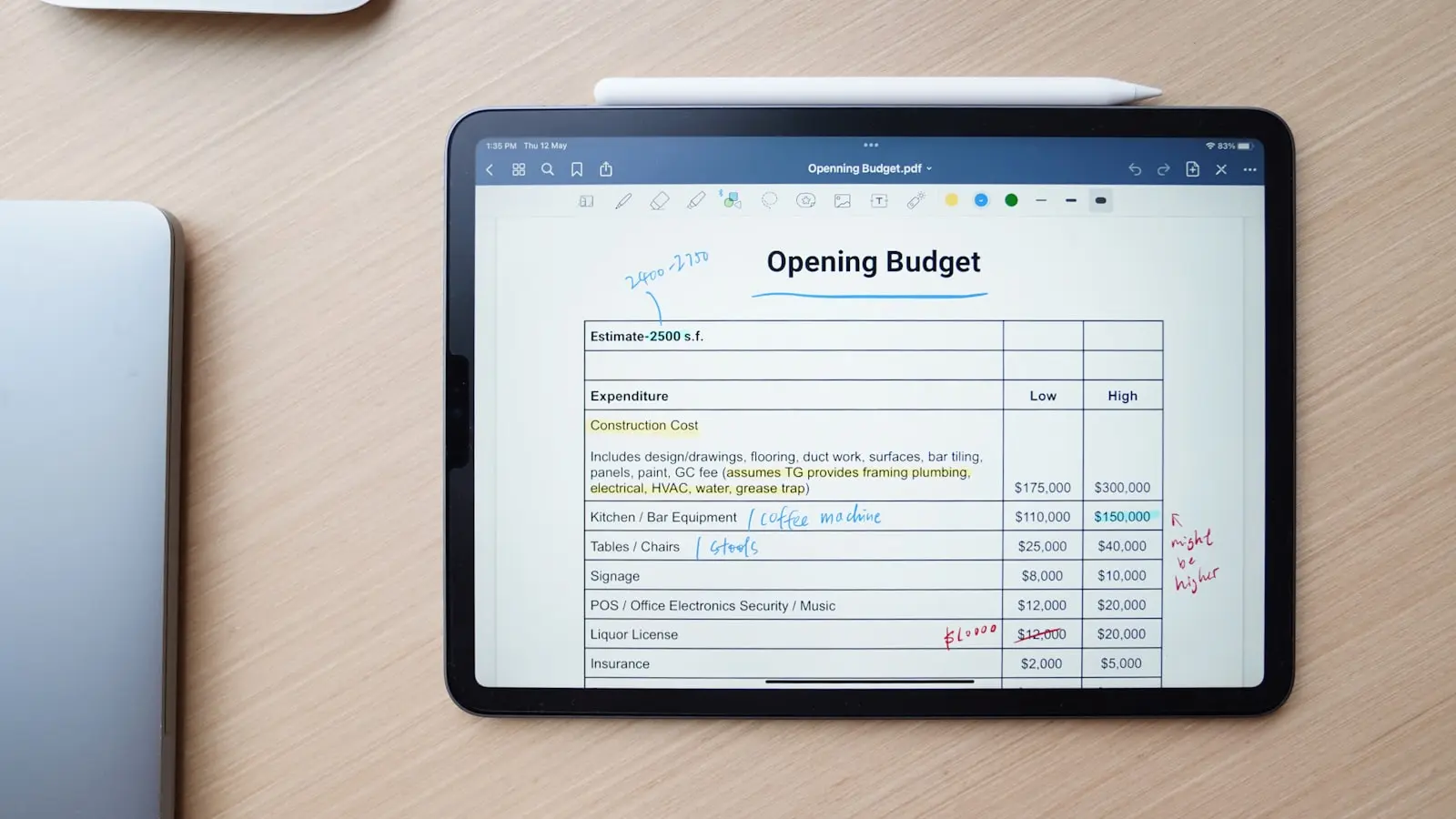

The modern financial landscape is a ghost of its former self. Where once a household ledger occupied a specific corner of a mahogany desk—a tactile, paper-heavy weight of responsibility—now the entire architecture of personal wealth lives behind a glass screen. (Is the convenience worth the detachment?) This transition from the physical grind of arithmetic to the frictionless slide of automated tracking represents a seismic shift in how individuals perceive their own solvency.
Digital platforms like YNAB or Tiller promise a total overhaul of the household economy. By pulling data directly from multiple bank accounts in real-time, these tools eliminate the human margin for error that traditionally plagued the paper ledger. When transactions are categorized the moment they hit the ledger, the latency between spending and realization disappears. Analysts note that users employing these automated systems report an average 15% improvement in discretionary budget control over a 12-month cycle. The math is stark. It suggests that when the friction of manual entry is removed, the clarity of long-term trend analysis becomes the primary driver of behavior change.
However, the migration to digital platforms creates a distinct psychological vacuum. Paper ledgers required a physical commitment. The act of writing down an expense forced a momentary pause, a brief reconciliation between the desire for an object and the reality of the balance sheet. Digital tools, by contrast, are designed to minimize this friction to the point of invisibility. (Ironically, this lack of friction is precisely what makes them so efficient at curbing spending.) While the software mitigates the arithmetic errors of the past, it also threatens to automate the user into a state of passive observation.
The Cost of Visibility
The primary appeal of the digital shift is the visualization of spending patterns. It is one thing to see a bank statement; it is quite another to see a heat map of one’s own habits over a fiscal year. This data-driven approach allows for granular adjustments that were once impossible without hours of painstaking manual reconciliation. Yet, financial planning experts from the CFP Board warn that the architecture of the tool matters less than the endurance of the user. If a system requires constant, high-maintenance upkeep, it will fail, regardless of how elegant its interface appears.
Key Advantages of Digital Systems
- Real-time Synchronization: Eliminates the lag between purchases and awareness across disparate banking institutions.
- Automated Categorization: Removes the cognitive load of manual classification, allowing for immediate trend recognition.
- Long-term Aggregation: Provides historical data sets that turn financial “snapshots” into long-term behavioral trajectories.
Bridging the Perception Gap
The fundamental challenge remains the disconnect between digital transactions and physical awareness. When money is merely a shifting integer on a screen, the perceived value of that currency often fluctuates. Digital platforms attempt to bridge this perception gap through notifications, alerts, and recurring reports that force the user to engage with their data. (Thankfully, these nudges often serve as a surrogate for the discipline once provided by the ledger.) The goal of any modern financial system is to make the invisible visible. Whether through a notebook or an algorithm, the outcome depends on the user’s ability to maintain the ritual. Digital tools offer the highest ceiling for growth, but only for those who treat the software not as a passive observer, but as a rigid architect of their own financial habits.