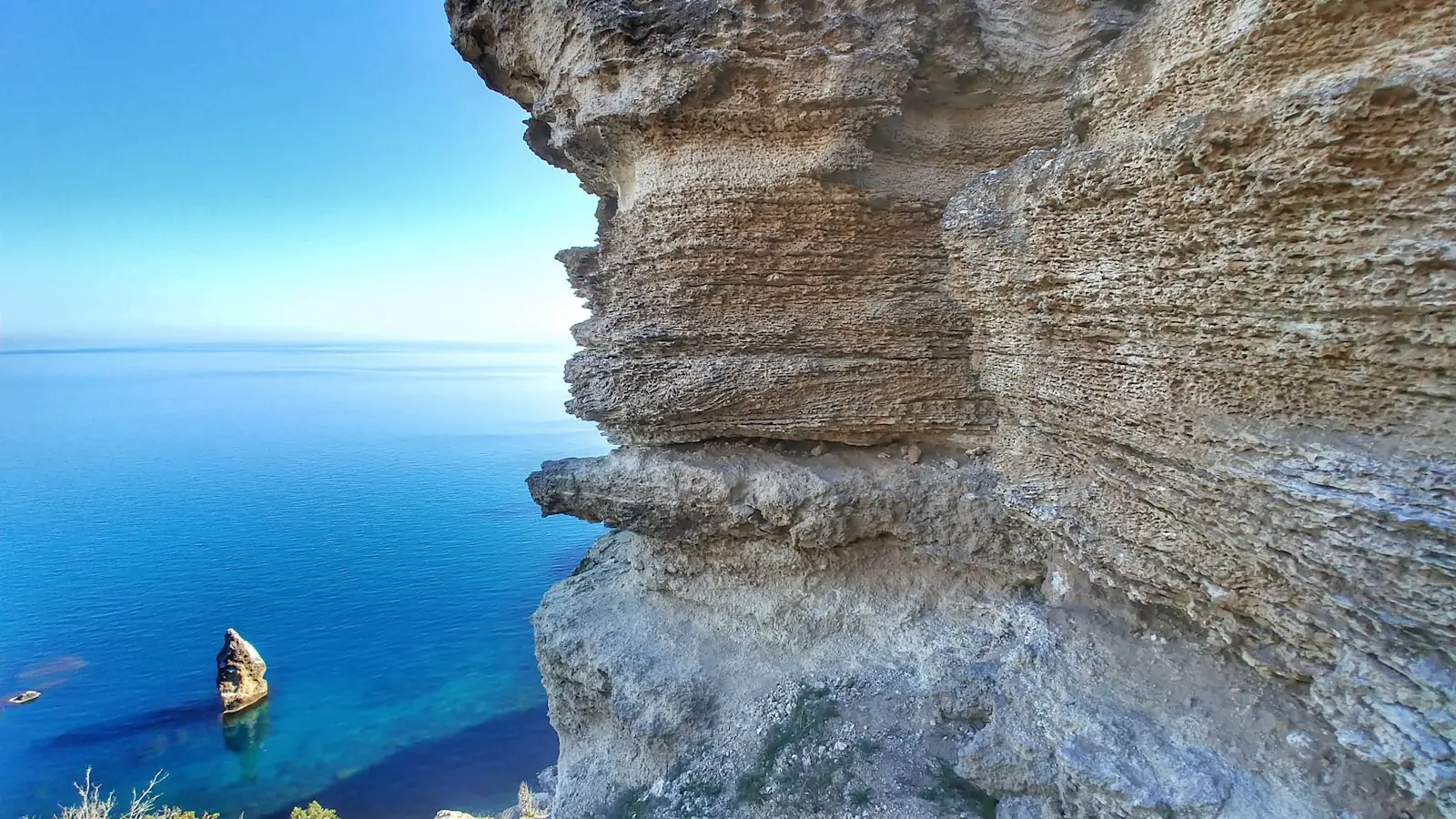
Cliff diving injuries differ from pool diving injuries because they combine two hazards: high-speed impact with the water and an uncontrolled natural environment. Pool dives can still cause serious harm, but natural-water jumps add uncertain depth, hidden obstacles, changing conditions, difficult exits, and potentially delayed rescue.
A scenic swimming spot is not a dive facility. Water that is suitable for swimming is not necessarily safe to enter from above, and confident swimming does not mean someone can assess an entry path or recover after a hard impact.
Key Takeaways
- Cliff jumping risks come from both water impact and hazards below or around the surface.
- Water can cause serious injury at speed even when no visible object is struck.
- Depth alone does not account for rocks, ledges, debris, currents, cold water, poor visibility, or difficult exits.
- Professional high-diving footage reflects trained athletes and managed conditions, not an ordinary natural-water jump.
- A suspected head, neck, or spinal injury requires emergency help and minimal unnecessary movement.
Cliff diving combines impact with an uncontrolled environment
Recreational cliff jumping is not one single movement. It may involve a feet-first jump, a head-first entry, a fall after losing balance, or an awkward landing on the back, side, seat, or limbs. Each can place force on different parts of the body, but all involve rapid deceleration when the body meets the water.
That makes water impact a genuine source of injury even without a visible rock strike. Water may feel forgiving at low speeds, but it resists a fast-moving body. When entry is off-axis, force can be concentrated unevenly across the head, neck, chest, back, hips, or legs.
Natural water adds a second layer of risk. A jumper may not know the true depth, whether the bottom rises sharply, whether a submerged ledge lies beneath the entry path, or whether debris has moved into the area. These risks interact: an injury at entry can make current, cold water, or a difficult swim to shore much more dangerous.
Why water impact becomes more dangerous outside a pool
Gravity increases speed during a fall, and the body must slow rapidly when it reaches the water. Greater height generally means greater entry speed, but height is not the only factor in a diving impact injury. Entry angle, rotation, surface conditions, fatigue, panic, and underwater obstacles can all affect the outcome.
A feet-first impact can load the feet, ankles, knees, hips, and spine. A back-first or seated impact can place force across the pelvis, lower back, ribs, and chest. A head-first error is especially concerning because it can directly involve the head and cervical spine, particularly if the person hits the bottom or a submerged object.
Possible cliff diving injuries include bruising, strains, fractures, joint injuries, concussion, chest trauma, and neck or spinal trauma. These are possible outcomes, not predictions for every jump. The key concern is that pain, disorientation, or reduced movement can immediately turn an injury into a water-survival emergency.
A prospective study of cliff and splash divers found that many recorded injuries occurred during water entry and included neck and cervical-spine injuries in the cliff-diving group. That finding highlights entry as a major failure point in that specific sport population; it should not be treated as a universal injury rate for recreational jumpers.
The difference from a pool is control. Pools are built around known dimensions, maintained conditions, defined entry areas, and clearer sightlines. Those features do not eliminate diving risk, but they reduce uncertainty. At a natural site, a person is often trying to judge both the entry and the exit with incomplete information.
Natural water hazards make depth only one part of the risk
Depth matters, but it is not a complete safety test. A deep-looking area may contain a submerged shelf, boulder, branch, debris, or a shallower section along the actual path of entry. Water levels and bottom contours can also change with weather, tides, runoff, seasonal shifts, and shoreline conditions.
Visibility makes those hazards harder to identify. Surface glare, dark water, sediment, waves, and shadows can conceal what would be obvious in a clear pool. Watching someone swim nearby does not show that the vertical path from a ledge to the water is clear. One successful jump also does not prove conditions are unchanged or safe for another person.
Natural water hazards continue after impact. Current, surf, waves, or boat wake can move an injured person away from the intended exit. Cold water can make breathing, coordination, and orientation more difficult after submersion. Someone may reach the surface but still be unable to swim effectively because of pain, shock, or reduced mobility.
Swimming ability does not remove these variables. Strong swimmers can still be stunned by impact, disoriented underwater, limited by injury, or unable to judge hidden terrain. They may also be unable to help another injured person without placing themselves at risk.
Exit access is another overlooked factor. A pool usually has a predictable edge, steps, or staff nearby. A natural site may involve slippery rocks, steep banks, a long route to a road, limited phone service, or no quick way for rescuers to reach the water. Those conditions can make a serious situation harder to manage.
Why professional high-diving footage is a poor comparison
Professional high diving can make a difficult entry look routine because viewers see the finished performance rather than the controls around it. Elite athletes train repeatedly for specific movements and perform in managed environments. Their skill does not make the activity risk-free; it reflects preparation that recreational cliff jumping usually lacks.
Organized events may involve inspected water conditions, controlled access, practiced technique, event-specific procedures, rescue personnel, and emergency planning. Exact arrangements vary by organizer and venue, but the broader difference remains: professional events are managed risk environments, while an unplanned jump is often not.
The relevant question is not whether a professional can enter water from a dramatic height. It is whether the participant, location, conditions, rescue capacity, and degree of control are truly comparable. At a scenic natural-water site, they usually are not.
No height threshold guarantees safety. A lower jump can still be dangerous if the entry is poor, the water is obstructed, the surface is rough, or the person cannot get out afterward. Likewise, another person’s previous jump is not reliable proof that the route is clear or that a second entry will go the same way.
Head, neck, and spinal injuries require an emergency-first response
A suspected diving head injury, neck injury, or spinal injury should be treated as an emergency. Warning signs include loss of consciousness, confusion, severe headache, neck or back pain, weakness, numbness, trouble moving, abnormal breathing, or an inability to stay afloat.
Call local emergency services promptly. If it can be done without creating further danger, keep the person supported and as still as possible, avoiding unnecessary twisting or movement. Follow dispatcher instructions because the safest response depends on the water conditions, access, and the person’s breathing and flotation needs.
Do not try to diagnose the injury, straighten the person, or transport them without direction from emergency professionals. Unnecessary movement may worsen harm in a suspected head, neck, or spinal injury, and an untrained rescue attempt can create another victim.
Drowning risk remains an immediate concern. If someone is sinking, struggling to breathe, or unable to float, urgent guidance may differ from a dry-land injury response. Calling for help and following live instructions is safer than improvising.
Safer ways to seek the thrill without treating nature as a dive facility
A safer alternative is choosing supervised, purpose-built water activities and facilities that match the participant’s training, local rules, and comfort level. Structured settings cannot eliminate injury risk, but they usually provide clearer boundaries, known conditions, and faster access to help.
Opting out is the sensible decision when water conditions, hazards, access, rescue coverage, or local restrictions are uncertain. That is not a lack of confidence; it is recognition that the biggest risks at a natural site may be hidden below the surface or outside a swimmer’s control.
Experience can create false confidence when it is interpreted too broadly. Being a capable swimmer, having jumped before, or watching someone else jump may reveal little about the present site, the actual entry path, or the ability to recover from an awkward impact.
The practical takeaway is that cliff diving injuries are not simply pool-diving injuries from a greater height. They arise from the interaction of fast water impact, uncertain terrain and water conditions, and the possibility that help is harder to reach when something goes wrong.
FAQ
Why can water cause serious injuries when cliff jumping?
Water does not give way quickly when a body hits it at speed. Rapid deceleration and an off-axis entry can concentrate force on areas such as the head, neck, chest, back, hips, or legs. Injury can happen without hitting a visible object.
Is deep water enough to make cliff jumping safe?
No. Depth does not establish that the entry path is clear of rocks, ledges, debris, or changing bottom contours. It also does not account for current, cold water, visibility, exit access, or how quickly emergency help can arrive.
What should you do if someone may have a neck or spinal injury after a dive?
Call emergency services, avoid unnecessary movement or twisting, and keep the person supported and as still as conditions safely allow. Do not attempt a risky rescue or move the person unless directed by emergency professionals. Follow dispatcher instructions throughout.