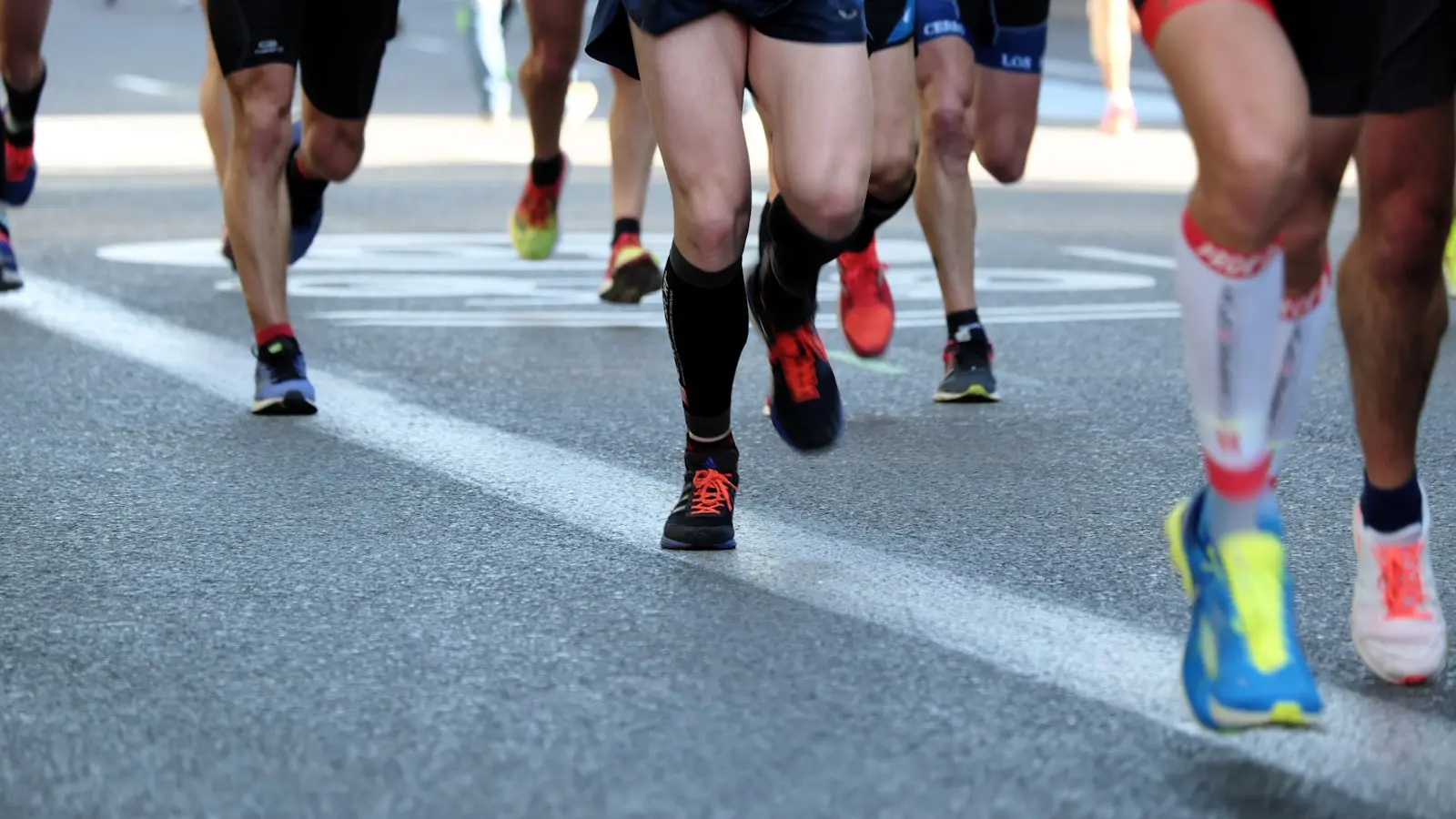
Carbon-plated running shoes are not proven to inherently cause injuries in beginners. The larger concern is the transition: a markedly different shoe can change how running feels and how forces are distributed while a new runner is still developing tolerance to impact, mileage, and faster efforts.
For most beginners, carbon racers are optional performance tools, not essential beginner running footwear. A dependable daily trainer, gradual progression, and a pain-free routine will usually matter more for long-term improvement than an expensive pair of super shoes.
Key Takeaways
- Carbon plates are not known to directly cause injuries, but abrupt changes in footwear and training load can create problems.
- The plate, foam, and rocker work as a system; performance benefits vary by shoe, pace, fit, surface, and runner.
- Tall, soft, race-focused shoes can feel less stable on turns, uneven pavement, or at slow paces.
- Most new runners are better served by a durable daily trainer, using carbon racers only for a defined purpose.
- Introduce any plated shoe gradually and stop using it if it causes sharp, worsening, or persistent pain.
What carbon plates and super foams actually change
A modern carbon racing shoe is a system, not simply a plate in the sole. It typically combines a stiff carbon-fiber plate, lightweight resilient foam, and a curved, rocker-like geometry. The foam compresses under load, while the plate helps the midsole retain its shape and influences how the shoe bends through toe-off.
That does not mean a carbon plate simply launches a runner forward. The result depends on plate stiffness, foam softness, sole geometry, stride mechanics, and running pace. Two carbon-plated shoes can feel very different because their platform width, stack height, upper security, plate shape, and rocker design are different.
Research on advanced footwear suggests that some designs can improve running economy under controlled conditions. That does not guarantee the same benefit for every runner, at every pace, or on every surface. A beginner jogging comfortably may not get the same practical benefit as an experienced runner racing at a sustained effort.
Does a carbon plate raise injury risk for new runners?
There is no simple evidence-based verdict that carbon-plated shoes directly cause injuries in beginners. A shoe can alter running mechanics, but altered mechanics do not by themselves establish injury causation. Overall risk is shaped by training load, recovery, previous injury, surface, sleep, strength, fit, and individual movement patterns.
The more plausible carbon plate injury risk comes from combining several changes at once. A runner may switch into a high, soft, stiff shoe while also running faster, adding distance, or beginning hills and intervals. Tissues still adapting to running then face a different loading pattern and a larger overall workload.
Some runners notice calf or Achilles tightness when moving into a more aggressive geometry. Others may experience forefoot pressure, foot fatigue, or discomfort from a tight upper. These are possible transition issues rather than diagnoses, and they are not inevitable outcomes.
Ankle confidence matters, too. Tall racing shoes place the foot farther from the ground, while soft foam can feel less predictable than a conventional daily trainer. A narrow platform, sharp turn, cambered road, broken pavement, or slow walking pace can make certain models feel unstable, especially for runners with a history of ankle instability or those who need a more structured shoe.
Current foot, calf, Achilles, or ankle symptoms deserve more attention than the marketing label on the midsole. Recurring ankle rolls, pain during ordinary walking, or a recent jump in mileage are reasons to be cautious regardless of whether a shoe contains carbon.
Why the speed benefit may be smaller or less useful for beginners
Carbon-plated shoes can look like a fast route to better results. In practice, their value depends on whether the runner has a clear task for the shoe. If the immediate goal is completing regular easy runs without interruption, comfort and stable pacing can be more useful than a shoe that feels especially quick for a few minutes.
Performance response varies with pace, mechanics, body size, shoe fit, road surface, event distance, and familiarity with the shoe. A racer that feels smooth during fast strides may feel awkward during run-walk sessions or easy jogging. Some models work best when a runner moves quickly through the rocker, while others are less demanding, but no carbon shoe is universally effective.
The hidden risk is that perceived ease can change decision-making. If a shoe makes a workout feel lively, a beginner may extend a long run, push intervals harder, or add another fast day before the body has adapted. The shoe has not necessarily created the problem; it may have encouraged a training choice beyond the runner’s current capacity.
That distinction matters for runners who want every session to count. Consistency is usually the better investment. Building an aerobic base, tolerating easy mileage, and learning how different efforts feel creates the capacity that can make a future race shoe more useful.
Daily trainer, workout shoe, or carbon racer
A durable daily trainer is the default choice for most early-stage runners. It should feel comfortable at an easy pace, fit securely through the heel and midfoot, and remain predictable when fatigue sets in. It is generally the sensible option for easy runs, run-walk sessions, and gradual mileage building.
A versatile workout shoe can be a useful middle ground once structured faster running becomes part of the plan. These shoes may use responsive foam, a mild rocker, or a less aggressive plate arrangement. The goal is not maximum race-day efficiency but a controlled ride that can handle warm-ups, steady efforts, and recovery jogging in the same session.
A race-focused carbon shoe makes more sense when a runner has an established routine and a specific event goal. It may be a reasonable option for a planned road race if the runner can test it in training, knows it fits well, and has a reason to run at a faster sustained pace. It is rarely the best one-pair solution for every run.
Read manufacturer descriptions as clues to intended use, not guarantees. Terms such as race day, marathon racing, lightweight upper, and aggressive rocker often signal a shoe designed around speed rather than broad stability or everyday durability. Consider whether the outsole suits your regular roads, whether the base feels secure, and whether the upper holds the foot without pressure.
Cost matters per useful run, not just at checkout. Race-oriented shoes can be expensive and may wear differently from conventional trainers. Buying one before establishing a regular habit can leave a beginner with a specialist tool but no comfortable shoe for most training.
A cautious transition plan for carbon-plated shoes
Start a running shoe transition simply: walk in the shoe, then jog easily on flat, predictable ground. The heel should not slide, the toes should have adequate room, and the platform should not feel alarmingly unstable. A short store try-on cannot fully show how a shoe behaves once fatigue changes your form, so keep the first run conservative.
Use short, controlled exposures before attempting a long run, race simulation, or demanding interval session. Keep the rest of the training week familiar. A new shoe is already one changed variable; adding speed, hills, and extra mileage at the same time makes it difficult to identify what caused a problem.
Alternate the plated shoe with an existing daily trainer. Pay attention to how the calves, feet, Achilles tendons, knees, and ankles feel during the run and the following day. General fatigue after an unfamiliar session can happen, but sharp, worsening, or persistent pain is a reason to stop using that shoe for running rather than trying to force an adaptation.
There is no universal break-in distance or schedule that guarantees safety. The right transition depends on running history, recovery, symptoms, and the shoe itself. Persistent symptoms should be assessed by a qualified sports medicine clinician or physical therapist, particularly if they alter normal walking or repeatedly return with runs.
A practical buy-or-wait decision framework
Buy now only if you have a consistent routine, a near-term event that matters to you, enough budget after purchasing a dependable daily trainer, and a carbon shoe that fits securely. It should feel controlled at easy pace as well as quick during short faster efforts. A shoe that feels brilliant only while sprinting around a shop is not necessarily a good match.
Wait if you are still establishing a pain-free habit, rapidly increasing weekly distance, or dealing with current calf, foot, Achilles, or ankle issues. Waiting also makes sense if you need a notably stable platform, if the shoe feels awkward while jogging, or if it would need to serve as your only pair for every run.
Consider a non-carbon alternative if the appeal is simply more liveliness for occasional workouts. A responsive, durable trainer can offer a more flexible compromise between easy running and faster sessions without the cost or specialized feel of a race model.
The bottom line is straightforward: carbon-plated shoes can be a reasonable optional purchase for some new runners, but they are neither required for progress nor a low-risk shortcut around training adaptation. Fit, gradual loading, and honest symptom monitoring matter more than the plate.
FAQ
Are carbon-plated shoes bad for beginners?
Not automatically. They are more specialized than most beginner running footwear. A beginner with a stable routine, secure fit, and a specific race goal may use them successfully, but a daily trainer is usually the better first purchase.
Should beginners train in carbon racing shoes or save them for race day?
Most training should be done in a durable daily trainer. If you plan to race in carbon shoes, use a few short, controlled training sessions first to check fit and comfort. There is little reason for a beginner to use a race-focused carbon shoe for every easy run.
How do I know whether a carbon-plated shoe fits and feels stable enough?
Your heel and midfoot should feel secure, your toes should not be compressed, and the platform should feel controlled while walking, jogging, and turning. If the shoe feels wobbly, causes focal pressure, or produces worsening pain, it is not a suitable match for that use.