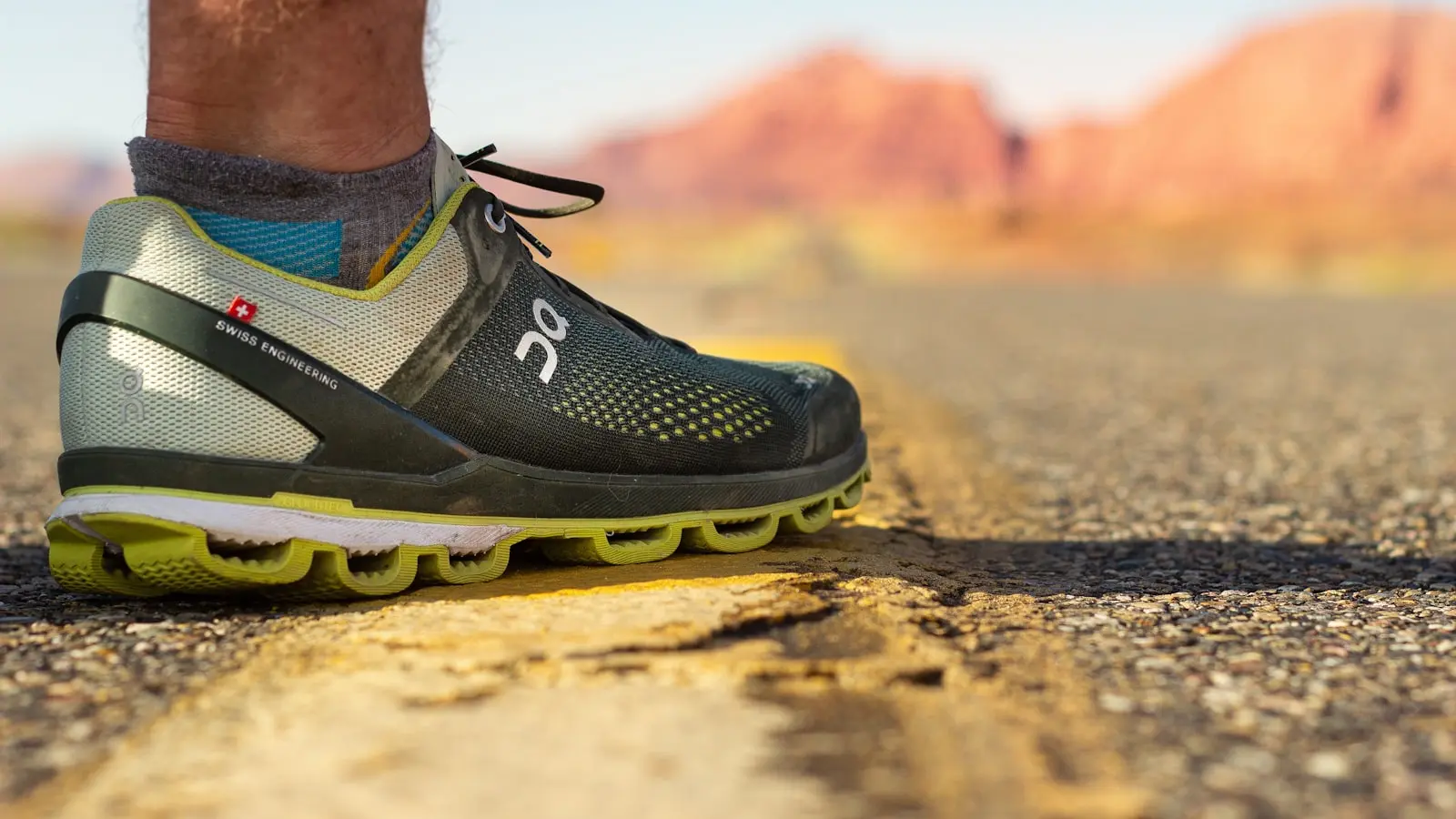

The Efficiency Equation
The modern marathon landscape has been fundamentally altered by the introduction of carbon-plated footwear. Originally developed to shave seconds off sub-two-hour world record attempts, these shoes have permeated the recreational market with the promise of effortless speed. The mechanical premise is straightforward. A rigid carbon fiber plate, embedded within high-rebound foam, acts as a lever to store kinetic energy upon impact and release it during the toe-off phase. Research indicates this configuration improves running economy by 3-4 percent. For a marathoner hitting the three-hour mark, that marginal gain translates to tangible time shaved off a personal best. It is a compelling pitch. However, the scoreboard often masks the physical tax required to harvest those gains.
The Biomechanical Shift
Efficiency in elite running is rarely accidental. Professional athletes maintain high cadences and utilize precise foot strikes that align with the engineering of these plates. When a recreational runner adopts this technology, the interaction changes significantly. Biomechanical analysis reveals that carbon plates alter the traditional loading patterns of the lower kinetic chain. Specifically, the shoes shift the mechanical stress from the knee toward the calf and the Achilles tendon. (Is the average weekend warrior prepared for this shift?) The data suggests a redistribution of force that can, in some cases, overload structures that are not conditioned to handle such concentrated pressure.
Risk Profiles and Structural Integrity
Podiatrists are increasingly reporting a surge in injury patterns linked to the widespread adoption of high-stack, carbon-plated footwear. The primary culprits are plantar fasciitis and Achilles inflammation. These are not malfunctions of the shoe, but rather a mismatch between the gear and the user. Elite runners possess the ankle stability and structural efficiency to maximize the energy return of the plate. Conversely, casual athletes who may suffer from minor gait asymmetries or limited ankle dorsiflexion find the rigid plate unforgiving. When the shoe dictates the mechanics rather than the runner, the weakest link in the chain inevitably fails. (Predictably.)
Comparison of Running Dynamics
| Feature | Elite Runner Experience | Recreational Runner Experience |
|---|---|---|
| Cadence | High (180+ SPM) | Low to Moderate (150-165 SPM) |
| Force Distribution | Uniform across kinetic chain | Concentrated at Achilles/Calf |
| Injury Risk | Low (monitored/trained) | Elevated (structural overload) |
| Primary Benefit | Metabolic energy savings | Marketing-driven performance gain |
The Marketing Myth
Consumer marketing often frames carbon-plated shoes as a universal solution for speed, stripping away the nuance of biomechanics. While the 3-4 percent improvement in running economy is a verifiable metric in laboratory conditions, it assumes a baseline of efficiency that many recreational runners have not yet established. There is no shortcut for foundational strength. Relying on a carbon plate to compensate for poor form or underdeveloped supporting musculature is a strategy bound for the physical therapist’s office.
Tactical Recommendations
For the recreational runner, the path forward involves moderation rather than total abandonment. Utilizing carbon-plated shoes for interval training or race-day efforts allows the runner to leverage the mechanical benefits without forcing the body into a permanent state of high-stress loading. However, the bulk of training volume should remain in traditional footwear. This forces the musculature of the foot and lower leg to engage naturally, building the resilience required to withstand the high-intensity demands of racing shoes.
Data dictates that performance is a function of durability. If the equipment increases the probability of time off-course due to injury, the net gain of the technology becomes negative. A cautious approach to high-tech gear is not just sensible; it is a prerequisite for long-term consistency. Trust the training cycle, not the foam.