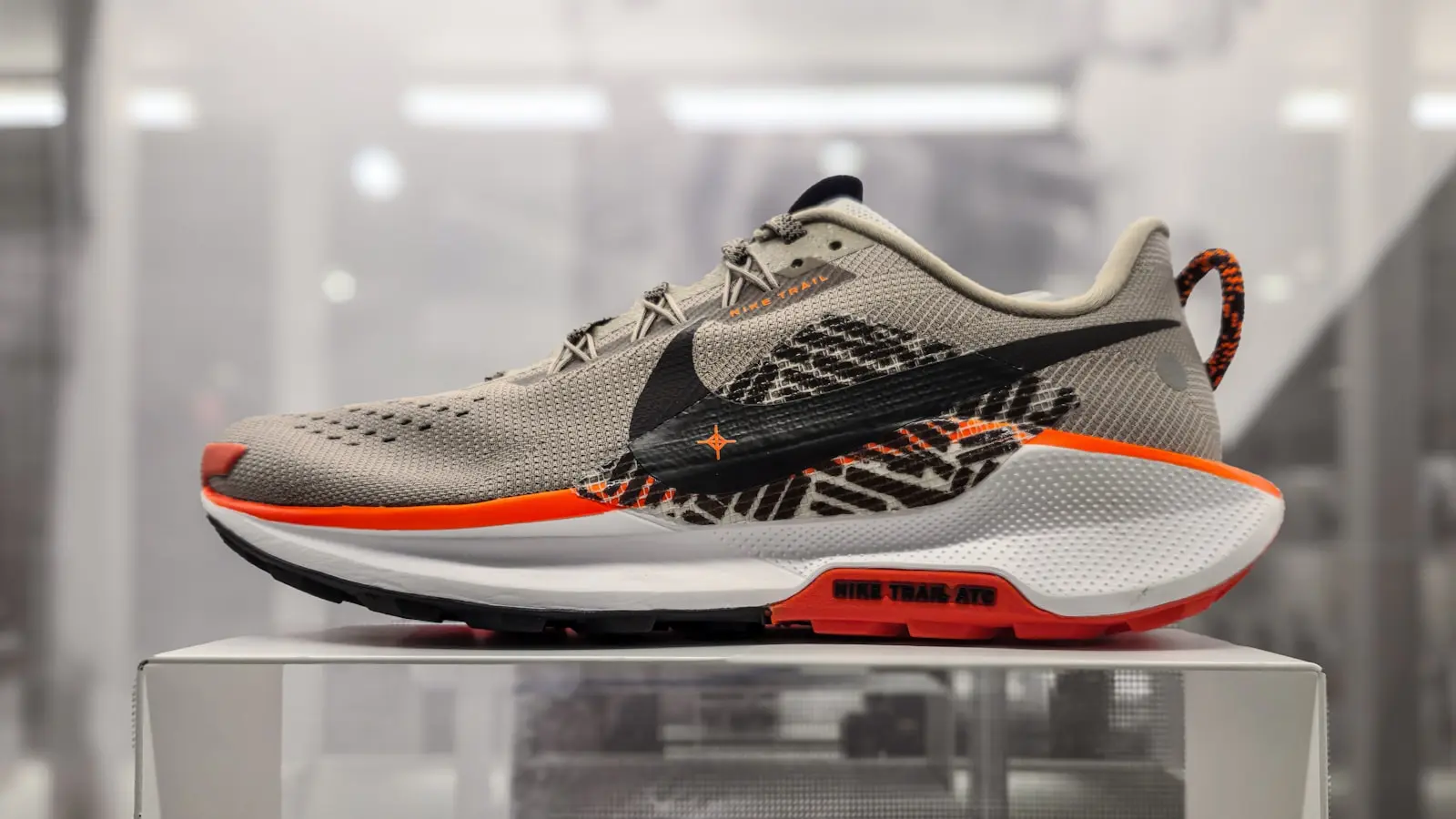

The emergence of carbon-plated footwear has fundamentally altered the physics of distance running. Since the introduction of the Nike Vaporfly in 2017, marathon records have fallen at a pace that suggests a permanent shift in athletic capability. Analysts at the Runner’s World Lab report that these shoes facilitate a 4% to 5% improvement in running economy. The mechanism is binary: a rigid carbon plate creates a lever effect within a high-rebound PEBA-based foam (Polyether Block Amide). This structure minimizes energy dissipation at the ankle joint, essentially shifting the load from the calf muscles to the shoe’s architecture.
The Physics of Efficiency
In mechanical terms, the shoe acts as an external skeletal support. By reducing the work performed by the calf muscles during the stance phase, the wearer experiences less fatigue over extended durations. This is not subjective. Data indicates an increase in stride length without a corresponding increase in metabolic demand. For the elite athlete, this translates to a podium finish. For the recreational runner, it translates to a lower heart rate at a faster sub-threshold pace. (The math is undeniably attractive.)
The Hidden Costs of Marginal Gains
Efficiency comes with a depreciation schedule. Unlike traditional EVA foam trainers that comfortably handle 500 miles or more, the specialized foams in super shoes begin to lose their resilience between 200 and 300 miles. At a retail price point hovering between $200 and $300, the cost per mile is significant.
| Feature | Traditional Trainer | Super Shoe |
|---|---|---|
| Typical Lifespan | 500+ miles | 200-300 miles |
| Primary Benefit | Cushioning/Stability | Energy Return/Speed |
| Cost per Mile | Low | High |
If an amateur runner logs 1,500 miles annually, they are looking at replacing their primary racers four to six times. This is a prohibitive operational budget for anyone not chasing a professional contract. (Is the marginal gain of 4% worth the price of a mid-tier mountain bike?)
Training Foundations Versus Mechanical Shortcuts
Running coaches have noted a troubling trend: athletes attempting to buy speed rather than building a base. The psychological “boost” is palpable, but it can mask underlying biomechanical weaknesses. When a runner relies on the stiffness of a carbon plate to maintain pace, they often bypass the eccentric strengthening of the lower leg. This creates a reliance on the technology. If the shoe is removed, the runner is physically under-prepared.
Strategic Use Cases for the Amateur
There is a data-driven approach to using these tools correctly. Instead of using super shoes for daily training, the logic dictates a tiered strategy:
- Base Training: Utilize standard, durable foam trainers to build tendon strength and aerobic capacity.
- Threshold Work: Introduce plated shoes once a week during intense sessions to acclimate the legs to the altered loading patterns.
- Race Day: Deploy the shoes only during primary events where the goal is a peak performance or a personal record.
This tiered approach maximizes the longevity of the shoe while ensuring the athlete’s physiological growth isn’t eclipsed by hardware. The numbers suggest that while super shoes are a masterclass in engineering, they are not a substitute for discipline. They act as a force multiplier, not a foundation. Before spending the capital, the runner must ask if their current training volume even justifies the mechanical assistance. If the weekly mileage is low, the return on investment for the shoe’s energy-saving properties effectively rounds down to zero. The scoreboard in this case is the daily training log; if that is empty, the fancy foam won’t bridge the gap.