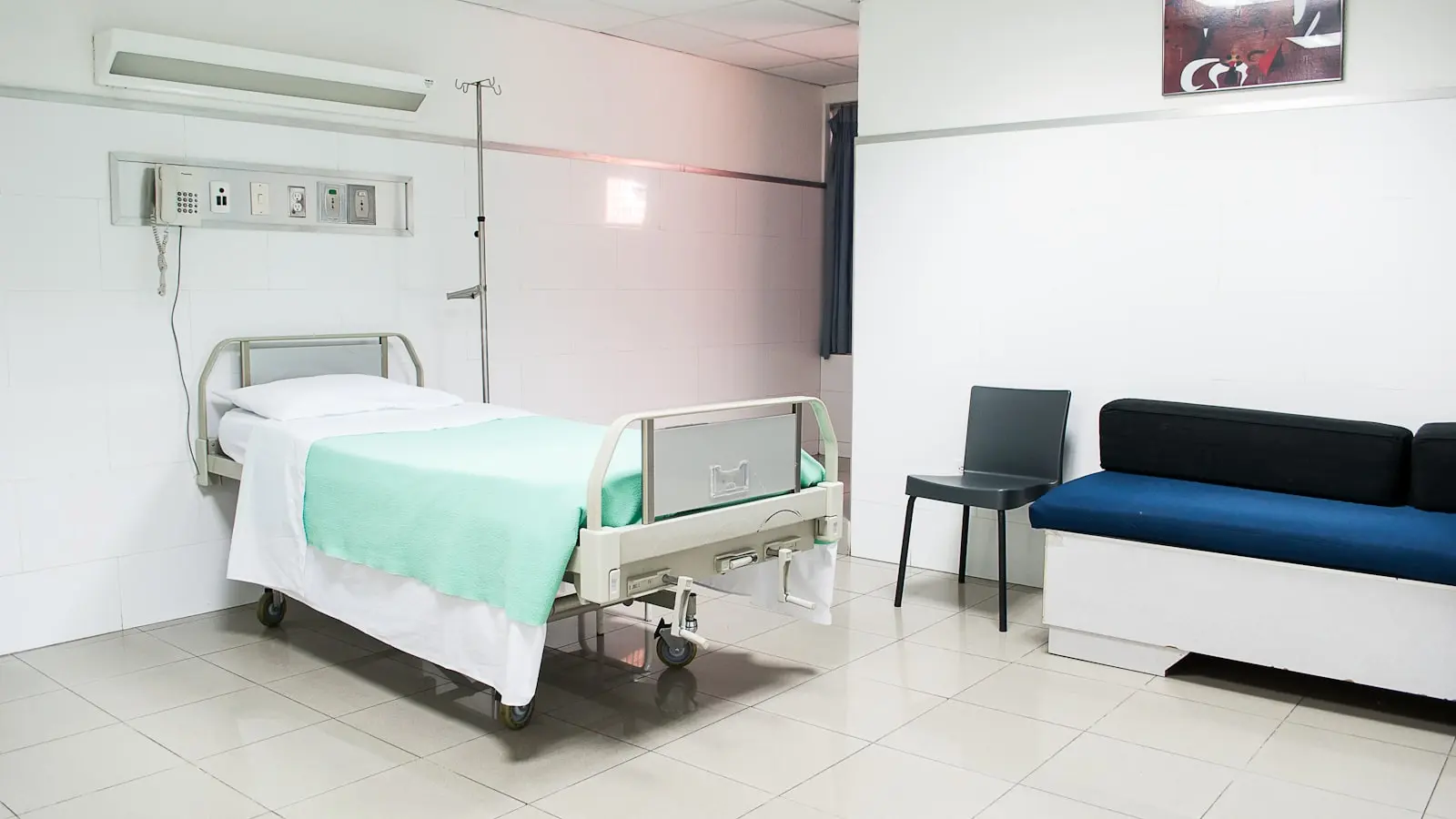
A Reddit user reported being shot in January 2025, hospitalized for weeks, and subsequently terminated by their employer while still in the hospital. The user later secured an unemployment settlement after litigation, but not before their home was lost and their car repossessed. This case, while extreme, exposes a structural vulnerability in employment protections for workers on extended medical leave.
Employment law in the United States operates largely under the at-will doctrine. An employer can terminate a worker for any reason not explicitly prohibited by statute or contract. The Family and Medical Leave Act (FMLA) is the primary federal safeguard for job-protected leave due to serious health conditions. But its reach is limited. The FMLA applies only to employers with 50 or more employees within a 75-mile radius. Workers must have been employed for at least 12 months and accumulated 1,250 hours of service in the preceding year. According to the U.S. Department of Labor, an estimated 44 percent of private-sector employees are ineligible for FMLA coverage. That leaves nearly half the workforce without guaranteed job protection during a medical crisis. For those employed at small businesses or recently hired, the legal safety net is nonexistent.
The Reddit scenario illustrates this gap. The user was not protected by FMLA—whether due to employer size, tenure, or work hours—and the termination proceeded on grounds of absenteeism. Attendance policies are a common legal lever for termination, and courts generally uphold them unless a specific exception applies. The Americans with Disabilities Act (ADA) may require reasonable accommodation, including unpaid leave, but only if the medical condition constitutes a disability. Short-term hospitalization, even after a shooting, may not meet the ADA’s definition of a disability if recovery is expected within a few months. (Frankly, the bar for disability accommodation is higher than many assume.) The burden rests on the employee to request accommodation and provide medical documentation before termination. Hospitalized patients rarely do that in real time.
The unemployment settlement the user eventually secured does not restore lost wages, housing, or transportation. Unemployment insurance is a partial wage replacement, not a penalty against the employer. In most states, eligibility for unemployment benefits hinges on whether the termination was for misconduct or voluntary quits. Being fired for absenteeism due to a medical emergency is typically considered a discharge for cause, but the employee may still be able to collect benefits if the absence was unavoidable and properly communicated. In this case, litigation was necessary to secure benefits, indicating the employer contested the claim. (Is that a wise use of corporate resources? It appears not.) The protracted process cost the user their home and car.
The broader pattern is clear. An analysis of similar cases shared in online communities shows workers hospitalized for heart attacks, strokes, or car accidents receiving termination letters while still in ICU. The mechanism is consistent: a corporate attendance policy triggers automatic termination after a specific number of consecutive absences, regardless of the reason. Many employers do not exempt FMLA-covered absences unless they are explicitly notified and approved. The onus is on the employee to navigate complex paperwork while incapacitated.
State laws offer some variation. A handful of states—California, New York, Washington, Massachusetts, and others—have enacted paid family and medical leave programs that provide job-protected leave for workers at smaller companies. Some states extend FMLA-like protection to employers with as few as 10 employees. However, in states without such laws, employees fall entirely under at-will and federal limits. (This is not equitable.) The patchwork of protections means a worker’s legal standing depends on their ZIP code.
For workers without FMLA eligibility, the practical recommendations are limited but actionable. First, purchase short-term disability insurance preemptively. It provides income replacement but does not prevent termination. Second, understand your employer’s specific leave policies before a medical emergency. Request a copy of the employee handbook and note the process for medical leave. Third, if hospitalized, designate a trusted person (partner, family member, or lawyer) to communicate with the employer immediately. Provide a doctor’s note as soon as possible, even if you are unconscious—someone can advocate for you. Fourth, consult an employment lawyer the moment you become aware of a potential termination. Many offer free initial consultations. Fifth, investigate state-specific family leave laws; a local bar association can point you to resources.
From a policy perspective, these cases argue for expanding FMLA coverage to smaller employers or implementing universal paid medical leave at the state level. Currently, the system forces workers to choose between physical recovery and financial solvency. (The logic behind this is difficult to defend.) Legislative reform moves slowly, but individual preparation—documentation, legal counsel, and insurance—can mitigate some damage.
The core lesson is that a doctor’s note does not legally hold the same weight as a court order. Employment is presumed voluntary, and absence without protection is grounds for termination. The Reddit case is not an anomaly; it is a symptom of a labor market that treats health emergencies as personal risk rather than collective responsibility. Until protections align with the reality that serious medical events happen to workers of all tenure and company sizes, the burden will remain on the individual—and the consequence of failing to carry that burden is homelessness and asset repossession.