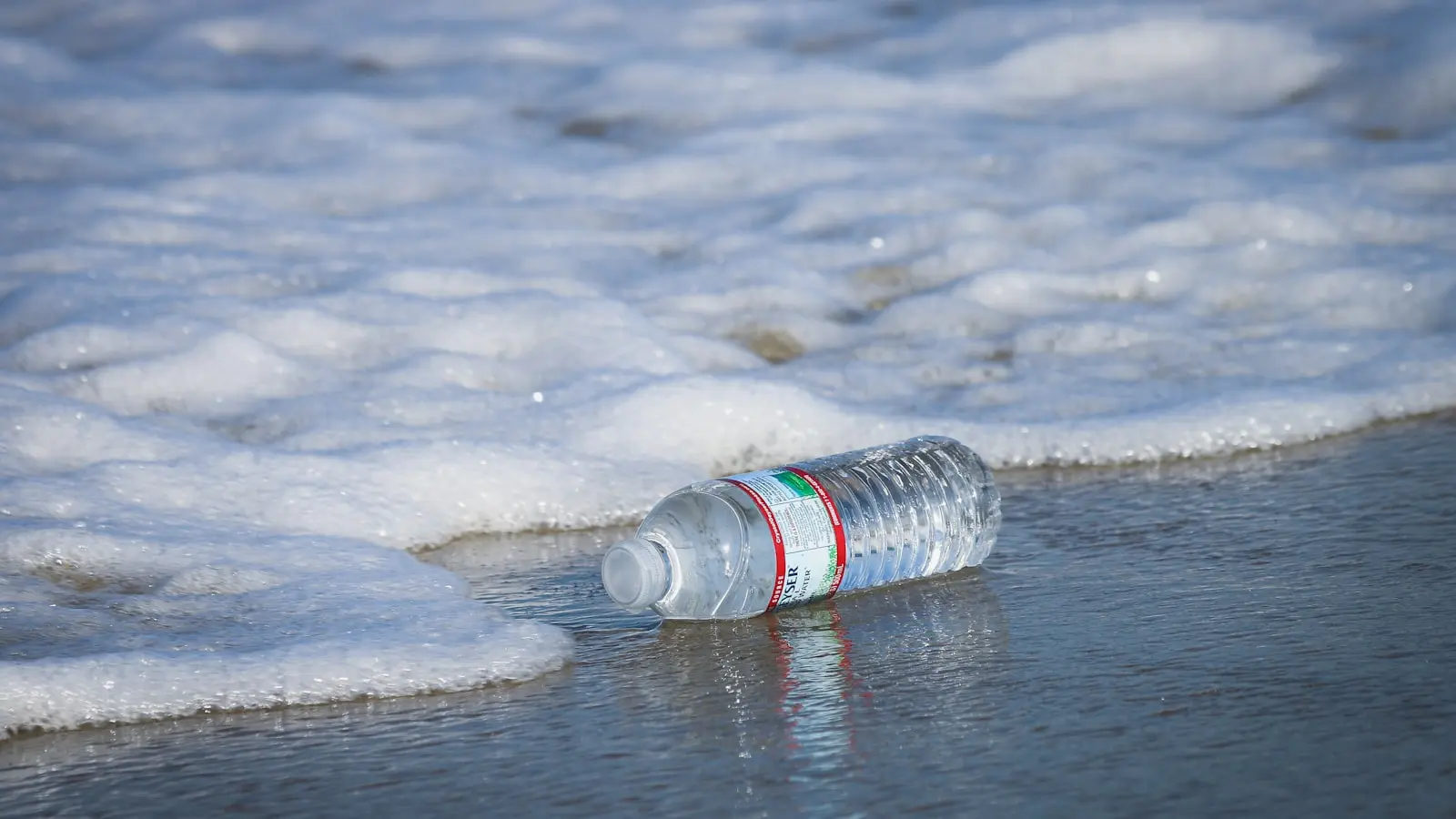

The mechanical cleanup of the world’s oceans has hit a physical wall. With over 150 million metric tons of plastic circulating through marine ecosystems, legacy methods like skimming or netting are akin to emptying the sea with a teaspoon. Scientists are now pivoting toward the microscopic, looking for biological allies to break down the carbon chains that refuse to decay. The primary focus of this shift lies in synthetic biology, specifically the optimization of plastic-degrading enzymes designed to function where previous attempts have failed.
The Engine of Decay
The discovery of Ideonella sakaiensis—a bacterium capable of metabolizing polyethylene terephthalate (PET) plastic—served as the initial spark. However, nature’s pace is rarely fast enough for the modern scale of industrial waste. Researchers are now using protein engineering to enhance these enzymes, aiming to increase their catalytic speed and, more importantly, their thermal stability. A significant hurdle in deploying these enzymes in the wild has been the temperature gradient. Most natural plastic-degrading bacteria favor the warm environments of compost heaps or tropical soils. Deep-sea microplastics, which settle in colder, high-pressure environments, were previously beyond the reach of biological intervention. Recent laboratory benchmarks show that synthetically modified enzymes can now function efficiently at these lower temperatures, offering a glimmer of hope for remediating the deep-ocean floor.
Scaling the Bioreactor
While open-ocean deployment remains a logistical nightmare, the most immediate impact of enzyme-based remediation is happening at the source. Wastewater treatment plants act as a primary conduit for microfibers and plastic fragments entering the aquatic supply chain. Pilot programs integrating localized bioreactors—tanks containing concentrated, engineered enzyme cultures—have reported up to a 40% reduction in microplastic discharge. By filtering effluent through these biological stages before it reaches the environment, municipalities can effectively intercept the pollution before it reaches the sea. (Is this enough to reverse the trend? Hardly, but it stops the bleeding.)
The Limits of Science
Biological solutions face intense skepticism regarding their ecological integration. Marine biologists note that introducing engineered organisms or concentrated enzymes into complex ecosystems could trigger unforeseen feedback loops. There is a distinct risk that hyper-active enzymes might degrade marine structural materials or disrupt naturally occurring carbon cycles. Consequently, current research prioritizes enclosed bioreactors over the speculative ‘ocean seeding’ of bacteria.
Furthermore, the economic reality is stark. Mechanical cleanup is expensive; biological remediation is currently even more so. The cost of manufacturing, stabilizing, and deploying these enzymes at scale outweighs the current financial incentives for remediation. Without a shift in economic policy—perhaps tied to the plastic producers themselves—bioremediation remains a boutique experiment rather than a global infrastructure project.
Beyond the Enzyme
The prevailing consensus among environmental scientists is that enzymes are a tool for damage control, not a license to continue current production levels. Even if a perfect enzyme could consume 90% of current oceanic plastic, the annual influx of new material would likely negate the gains. The path forward requires a three-pronged approach:
- Reduction: Drastically lowering the manufacturing volume of virgin plastics.
- Interception: Deploying bioreactors at high-traffic discharge points like wastewater plants and industrial runoff channels.
- Remediation: Using engineered enzymes to tackle high-concentration legacy zones, such as deep-sea sediment.
(The temptation to find a ‘silver bullet’ is overwhelming.) History suggests that technological solutions often provide a safety net that inadvertently encourages risky behavior. If the industry believes that plastic can simply be ‘eaten’ later, the incentive to switch to biodegradable alternatives or circular material models evaporates. Science offers a method to clean the past, but only policy can protect the future.