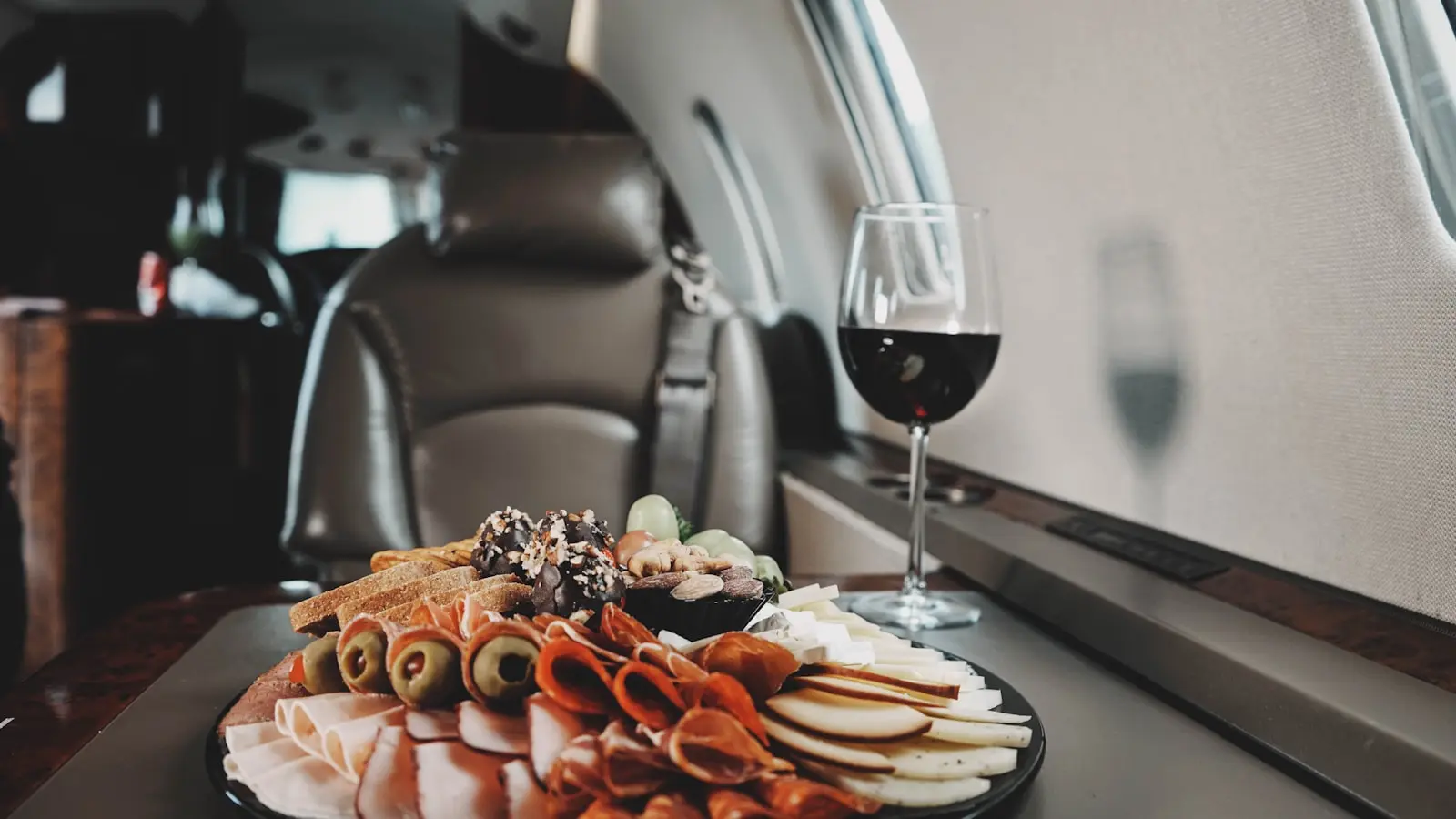
Many travelers wonder if meal timing affects jet lag severity. The answer involves how your internal clock responds to food cues. Here are the key takeaways:
- Meal timing acts as a secondary time cue for peripheral clocks in organs like the liver, helping them synchronize with a new time zone.
- A brief fast (12–16 hours) before and during travel is theorized to reset these clocks, but large human trials are lacking; evidence is limited to small studies and anecdotal reports.
- Eastbound travel: fast during the flight and eat a hearty breakfast upon morning arrival to signal daytime.
- Westbound travel: eat lighter meals on the plane and shift meals later to match the destination schedule.
- Avoid heavy meals before sleep, limit alcohol and caffeine, and stay hydrated to reduce jet lag symptoms.
How Your Body Clock Responds to Food Cues
The human circadian system is governed by a master clock in the brain, primarily set by light. However, peripheral clocks — such as those in the liver, pancreas, and muscles — respond strongly to feeding and fasting cycles. When you eat, you send a time cue to these peripheral clocks. This is why the timing of your meals can either help your body adjust to a new time zone or keep it locked in your departure schedule.
Research suggests that the liver clock is especially sensitive to both the timing and composition of food. When you rapidly cross time zones, your brain’s master clock may shift relatively quickly with bright light exposure, but your peripheral clocks can lag behind. Aligning meal times with the destination’s schedule helps those peripheral clocks catch up, potentially reducing the duration and severity of jet lag symptoms.
This mechanism explains why many travelers notice a difference when they deliberately eat at local meal times versus eating on their home schedule. It is not a guaranteed fix, but it gives your body an additional signal to synchronize.
Does Fasting Help or Hurt? The Science and Risks
A brief fast before and during travel has gained attention as a potential strategy to reset peripheral clocks. The idea is that a fasting period of 12 to 16 hours, followed by a full meal at the destination’s breakfast time, provides a strong cue to shift the body’s rhythms. This approach is derived from animal studies and has been described in protocols such as the Modified Argonne Diet and by some Harvard Health experts.
However, it is important to note that this method has not been rigorously tested in large human clinical trials. Most evidence comes from small studies and anecdotal reports. The Harvard Health article on the topic explicitly states that the technique is theoretical and hasn’t been validated in controlled trials. Similarly, the UCLA Health article references a Northwestern University study that found meal scheduling cut recovery time by about one-third, but that is a single study with limited sample size.
Skipping meals or fasting carries risks for certain individuals. It can lead to low blood sugar, fatigue, irritability, and difficulty concentrating — all of which can compound the discomfort of travel. People with diabetes, eating disorders, pregnant women, or those on certain medications should not fast without medical supervision. Even for healthy travelers, 12 to 16 hours without food may feel challenging during a long flight. Always consult a healthcare provider before attempting a fasting protocol for jet lag.
East vs. West: Meal Timing Strategies for Each Travel Direction
Your travel direction determines how your body clock needs to adjust, and meal timing should reflect that.
For eastbound travel (e.g., USA to Europe): You need to advance your internal clock (go to sleep earlier). A common strategy is to eat a normal breakfast and lunch on the day of departure, then have a light dinner before the flight. During the flight, fast — drink only water. Upon morning arrival, eat a hearty breakfast with protein and complex carbohydrates (e.g., eggs, whole-grain toast, fruit). This signals to your peripheral clocks that it is daytime. Combine this with bright light exposure after landing.
For westbound travel (e.g., Europe to USA): Your internal clock needs to delay (stay awake later). Eat a normal breakfast before departure. On the plane, have a light lunch or snack. Upon early afternoon arrival, have a small snack and then eat dinner at local time (around 6–7 PM). Avoid heavy meals late in the evening. Use light exposure in the late afternoon and evening to help stay awake until a reasonable bedtime.
In both directions, avoid eating large meals within two to three hours of your target bedtime at the destination. This gives your digestive system time to settle and supports better sleep quality.
Common Meal Mistakes That Make Jet Lag Worse
Heavy meals before sleep: Overeating close to bedtime can disrupt sleep quality, increase heartburn risk, and delay circadian adjustment. Your body prioritizes digestion over sleep, which can make it harder to fall asleep and stay asleep.
Alcohol and caffeine: Both can worsen jet lag. Alcohol dehydrates you and suppresses rapid eye movement (REM) sleep, leading to more fragmented rest. Caffeine can interfere with sleep onset if consumed too late in the day. However, caffeine can be used strategically to stay alert during daytime at your destination — just avoid it within six hours of your planned bedtime. The CDC and Mayo Clinic recommend avoiding both alcohol and caffeine on the flight and during the first day at your destination.
Dehydration: Airplane cabins are extremely dry, and dehydration amplifies fatigue, headache, and disorientation — all jet lag symptoms. Drinking plenty of plain water before, during, and after the flight is one of the simplest and most effective measures.
Skipping meals entirely without a plan: Randomly missing meals can cause energy crashes, poor decision-making about sleep and activity, and increased stress on the body. If you choose to fast, do it intentionally with a clear schedule for when to eat next.
Putting It All Together: A Sample Meal Schedule
Example eastbound flight (NYC to London, depart 7 PM local):
- Day of flight: Eat a normal breakfast and lunch.
- 5 PM: Light dinner (e.g., soup, salad, lean protein).
- During flight (approx. 7 hours): Fast, drink water only. Avoid alcohol and caffeine.
- Arrive 7 AM London time: Eat a full breakfast with eggs, whole grains, and fruit. Get bright light exposure by going outside.
- Follow local meal times for lunch and dinner. Keep dinner light and at least 2–3 hours before bedtime.
Example westbound flight (London to NYC, depart 10 AM local):
- Day of flight: Eat a normal breakfast.
- On the plane (approx. 8 hours): Have a light lunch (e.g., sandwich, salad) around 1 PM London time.
- Arrive 1 PM NYC time: Have a small snack if hungry. Avoid heavy meal.
- Eat dinner at local time 6–7 PM. Choose moderately sized, balanced meal.
- Avoid caffeine after 4 PM. Use evening light exposure to stay alert until 10–11 PM.
These are general templates. Adjust based on your flight times, personal tolerance, and health status. The key is to align the first meal after arrival with the destination’s morning or late afternoon, and to avoid eating during the flight if you plan a fasting window.
Frequently Asked Questions
Should I skip meals before a long flight to reduce jet lag? A brief fast (12–16 hours) before and during the flight may help reset your body clock, but it is not proven in large studies. Check with your doctor if you have any underlying health conditions.
What should I eat on the plane to help reset my body clock? If you are fasting, drink only water. If not fasting, choose light, easily digestible meals (e.g., vegetables, lean protein) and avoid heavy, fatty foods that can disrupt sleep.
Does drinking coffee or alcohol affect jet lag recovery? Yes. Both can dehydrate you and disturb sleep. Caffeine may be used strategically to stay alert during daytime at your destination, but avoid it within 6 hours of your target bedtime.