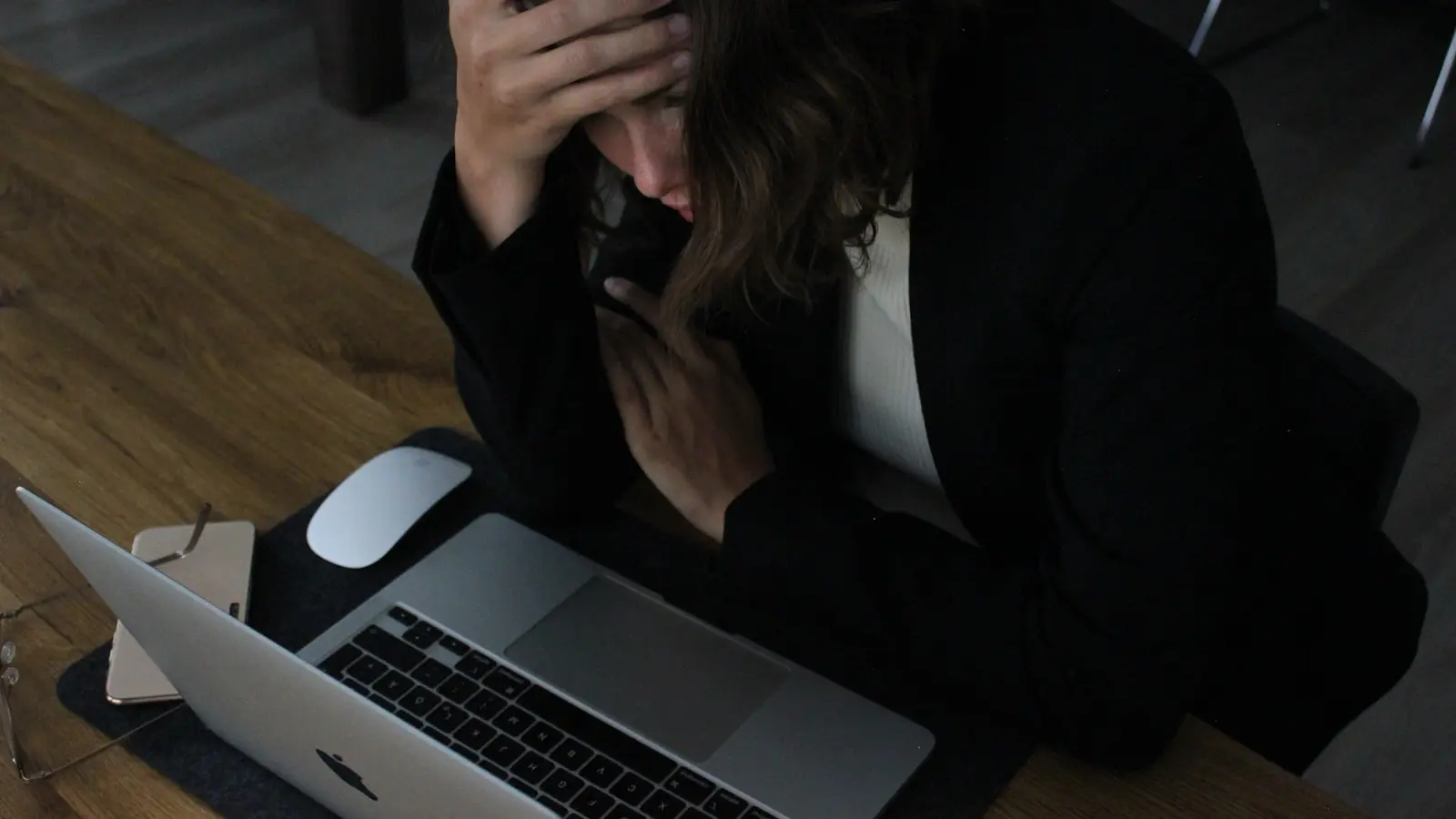
The Psychological Toll of the Wait
When autumn 2023 ended with a cliffhanger in a popular crime drama, viewers did not simply close their laptops. They opened Reddit. Across r/television and r/anxiety, posts described a specific kind of distress: restlessness, irritability, and a dull sense of loss. The show would not return for eighteen months. For some, that gap produced symptoms that mirrored mild depressive episodes.
This pattern is not trivial. Behavioral psychologists have long studied anticipatory anxiety — the emotional response to an uncertain future event. A television hiatus, especially one without a clear return date, activates similar neural circuits to those triggered by real-world threats. The brain treats the unknown as a risk signal. When the reward (the next episode) is delayed and unpredictable, the dopamine system enters a state of chronic craving without release.
(Is this a clinical disorder? No. But it is a measurable source of psychological discomfort.)
The Mechanism Behind the Frustration
The viewer’s emotional investment in characters and narratives creates a parasocial bond. Researchers at the University of Buffalo found that fictional characters can fulfill real social needs. When that bond is severed abruptly, the brain experiences a form of social separation. The uncertainty of the wait heightens the sense of loss.
Streaming culture has intensified this effect. Binge-watching trains the brain to expect instant gratification. A traditional weekly release schedule built anticipation within a predictable rhythm. A multi-year hiatus, by contrast, disrupts that rhythm entirely. The viewer cannot plan. They cannot prepare. They simply wait.
This is where the frustration escalates into something heavier. Multiple Reddit contributors reported losing interest in other activities, feeling listless, and ruminating on plot threads that may never resolve. One user described it as “a low hum of grief.” (Thankfully, most recognize these feelings as temporary.)
The History of Waiting: From Appointment TV to Uncertainty
Before streaming, viewers waited months between television seasons as a matter of course. The fall schedule ended in May; new episodes arrived in September. That predictability provided psychological closure. The brain could toggle off the narrative until the expected restart.
The modern hiatus breaks that contract. Production cycles have lengthened due to visual effects complexity, global shooting schedules, and studio consolidation. A show may disappear for eighteen months, then return for six episodes. The viewer cannot calibrate expectations. They only know the void.
Behavioral economics describes this as a “loss of reference point.” Without a temporal anchor, the anticipation becomes a constant low-grade stressor. The brain consumes cognitive resources monitoring for updates.
What the Data Does and Does Not Show
No large-scale clinical study has formally diagnosed “TV hiatus depression.” But the behavioral evidence is consistent. Researchers have documented increased cortisol levels during suspenseful viewing. Extrapolate that over months of unresolved narrative tension, and the physiological strain becomes plausible.
A 2022 survey by the American Psychological Association noted that 74% of adults feel significant stress about uncertainty in general. Entertainment uncertainty is not exempt. The same coping resources are taxed.
(But correlation is not causation. Many factors influence mood.)
The most robust finding comes from self-reported coping strategies. Reddit users who actively reset expectations fared better. Those who clung to speculation and fan theories often reported higher anxiety. The difference lies in perceived control.
Evidence-Based Coping Strategies: The Research
Setting expectations is the first line of defense. A 2019 study in the Journal of Behavioral Medicine found that patients awaiting medical test results who were given a precise timeline reported lower anxiety than those left in limbo. The same principle applies to entertainment. When a hiatus is announced, treat it as a finite gap. Mark the return date on a calendar. If no date exists, accept that the timeline is unknown — and stop checking for updates.
Cognitive reappraisal is a well-validated technique from cognitive-behavioral therapy. Reframing the wait as an opportunity for other hobbies reduces the emotional weight. The brain cannot hold two competing frames at once. If the hiatus becomes “a chance to catch up on books,” the craving weakens.
A second strategy involves compartmentalization. Dedicate a small window each week to think about the show — perhaps writing a journal entry or discussing with friends. Outside that window, block reminder notifications. This prevents the default mode network from wandering into speculation loops.
Several mental health professionals in the Reddit thread emphasized the importance of physical activity. Exercise restores the dopamine baseline. A long walk can recalibrate the reward system more effectively than any coping mantra. Studies show that aerobic exercise reduces cortisol and increases endorphins. The effect is not trivial.
The Role of Production Realities
The television industry operates on opaque schedules. Writers’ strikes, post-production delays, and shifting platform priorities push release dates further out. Studios rarely communicate timelines clearly. (This lack of transparency feeds the anxiety.)
Viewers should recognize that the wait is often not a reflection of the show’s value. It is a business decision. The narrative will continue when the economics align. Accepting this reduces the personalization of the delay.
When to Seek Support
If the emotional response to a hiatus interferes with daily functioning — sleep disruption, appetite change, persistent low mood for weeks — it warrants professional attention. The trigger may be the show, but the underlying vulnerability may be broader. Anxiety about entertainment can unmask generalized anxiety disorder.
Cognitive-behavioral therapy offers specific tools for managing anticipation and uncertainty. The same principles that treat health anxiety can be applied to entertainment-induced distress.
Separating Signal from Noise
The wellness industry would like to sell you a subscription for “TV hiatus recovery.” Ignore that. The evidence points to simple, free interventions: adjust expectations, fill the gap with alternative activities, move your body, and accept the uncertainty.
The brain evolved to seek patterns and closure. A hiatus frustrates that drive. But the frustration is manageable. Viewers are not broken. They are responding normally to an abnormal delay.
The show will return. Until then, the healthiest approach is to live in the present tense — and turn off the notifications.