Key Takeaways
- Eastern European cities have improved air quality over the past decades, but average PM2.5 levels still exceed WHO guidelines.
- A short trip (days to a week) poses low risk for healthy individuals; acute symptoms like throat irritation or coughing are temporary.
- Pollution in Eastern Europe is generally lower than in heavily polluted Asian regions, but spikes occur during winter.
- Practical precautions: check real-time AQI, wear N95/KN95 respirators during high pollution, and choose accommodations with air purification.
- Travelers with pre-existing respiratory or heart conditions should consult a doctor before visiting polluted cities.
The State of Air Quality in Eastern European Hotspots
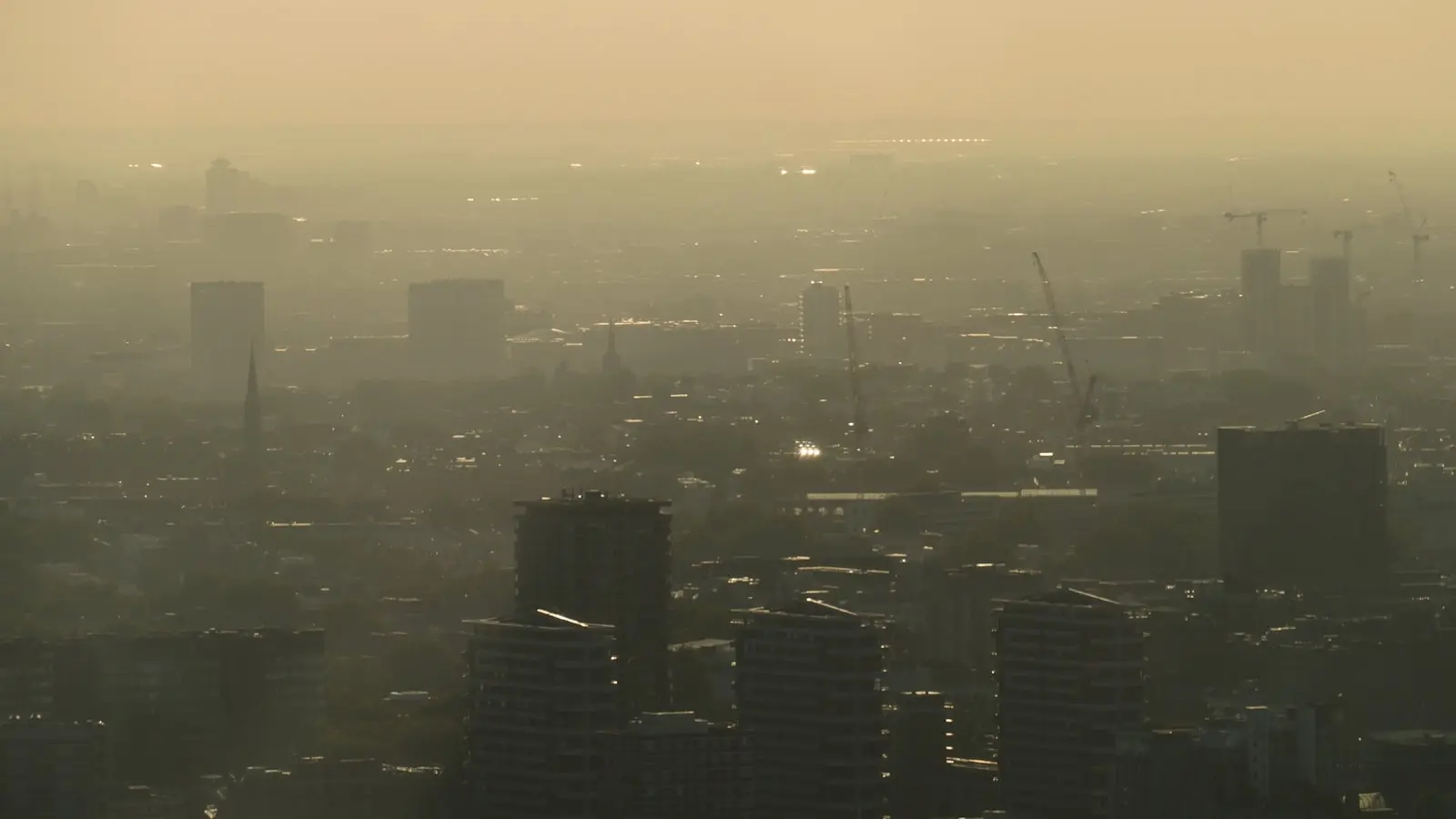
Air pollution in Eastern Europe remains a concern in cities like Bucharest, Krakow, and Sofia. Long-term trend data show average annual PM2.5 concentrations have dropped from around 20 µg/m³ in 1990 to roughly 12.4 µg/m³ by 2019. While a clear improvement, this level is still more than double the World Health Organization’s annual guideline of 5 µg/m³. The East-West gap in potential life expectancy gains from meeting WHO guidelines narrowed from 8.5 months in 1998 to 4.5 months in 2023, yet Eastern Europe continues to bear the highest pollution-related health burden on the continent, particularly for cardiovascular disease. Pollution varies by season and location: winter heating and temperature inversions cause spikes, while industrial centers and heavy traffic zones record higher readings. Travelers checking real-time air quality indices (AQI) will often find moderate to unhealthy levels, especially on still winter days.
Short-Term vs. Long-Term Exposure: What Matters for a Tourist?
For a healthy individual, a short trip of a few days to a week in a city with moderate air pollution carries relatively low risk of serious health problems. Chronic, long-term exposure is the main concern, linked to increased rates of respiratory disease, heart attacks, and premature death. Brief exposure may cause acute but temporary symptoms: scratchy throat, occasional coughing, watery eyes, or fatigue on high-smog days. These usually resolve within hours or days after leaving the area. People with pre-existing conditions such as asthma, COPD, or heart disease are more vulnerable even during short stays, as even a few days can trigger exacerbations. Consulting a physician and planning ahead is advisable for them.
How Eastern Europe Compares to Other Polluted Regions (e.g., Asia)
A common question is whether Eastern Europe is as polluted as heavily polluted parts of Asia. The data shows it is not, on average. Typical annual PM2.5 in Eastern Europe ranges from 10 to 20 µg/m³, while many South Asian megacities routinely exceed 50 µg/m³ and can spike above 200 µg/m³. Even on high-smog days in a city like Krakow, peak PM2.5 rarely surpasses 100 µg/m³ for extended periods. This is not to dismiss the health risks for local populations—they are real—but for a short visit, exposure is generally lower than in many Asian urban centers. The key is to check local AQI via reliable apps instead of relying on assumptions. Conditions can change rapidly, and a city that is clean in summer may be hazy in winter.
Practical Precautions for Travelers
Several evidence-based steps can reduce exposure. First, check air quality forecasts and plan outdoor activities accordingly. On days with an AQI above 150 (unhealthy), minimize time outside, especially near busy roads during rush hour. Early morning often has higher pollution due to overnight inversions; waiting until later in the morning or afternoon can help. Second, consider wearing a mask. N95 or KN95 respirators that form a tight seal filter fine particulate matter (PM2.5) effectively. Surgical and cloth masks offer less protection. A mask is most useful during high-pollution episodes, prolonged outdoor exposure, or for those with respiratory sensitivity. Third, improve indoor air: choose accommodations with air conditioning or a portable HEPA air purifier, and keep windows closed when outdoor pollution is high. Mild symptoms like coughing or eye irritation typically resolve upon leaving the area; persistent symptoms after returning warrant a medical consultation.
When Should You Reconsider Travel Plans?
For most healthy travelers, moderate air pollution in Eastern Europe should not be a reason to cancel a trip. However, caution is warranted in certain situations. If you have a chronic respiratory or cardiovascular condition, consult your doctor before traveling to a known polluted city. During extreme pollution episodes—such as winter smog inversions pushing PM2.5 above 100 µg/m³ for several days—consider postponing outdoor activities or shifting your itinerary to less polluted destinations. Children, older adults, and pregnant women are also more susceptible. The decision depends on your health status and the predicted air quality during your travel dates. In most cases, awareness and the precautions above keep risk low enough to enjoy your visit.
Frequently Asked Questions
Is air pollution in Eastern Europe as bad as in Asia for a short visit? Typically no. Average PM2.5 concentrations are lower in Eastern Europe, though short-term spikes can occur. A few days of exposure in Eastern Europe poses less risk than a similar stay in heavily polluted Asian regions. Always check local AQI for current conditions.
What symptoms should travelers watch for when visiting polluted cities? Common acute symptoms include scratchy throat, coughing, sneezing, watery eyes, and mild shortness of breath. Most resolve after leaving the area. If you experience chest pain, severe coughing, or difficulty breathing, seek medical care.
What type of mask offers the best protection against urban air pollution? N95 or KN95 respirators that fit snugly over the nose and mouth are effective against fine particulate matter (PM2.5). Cloth masks offer minimal protection. Surgical masks reduce larger particles but not fine PM. Masks with exhalation valves are not recommended for source control in public.