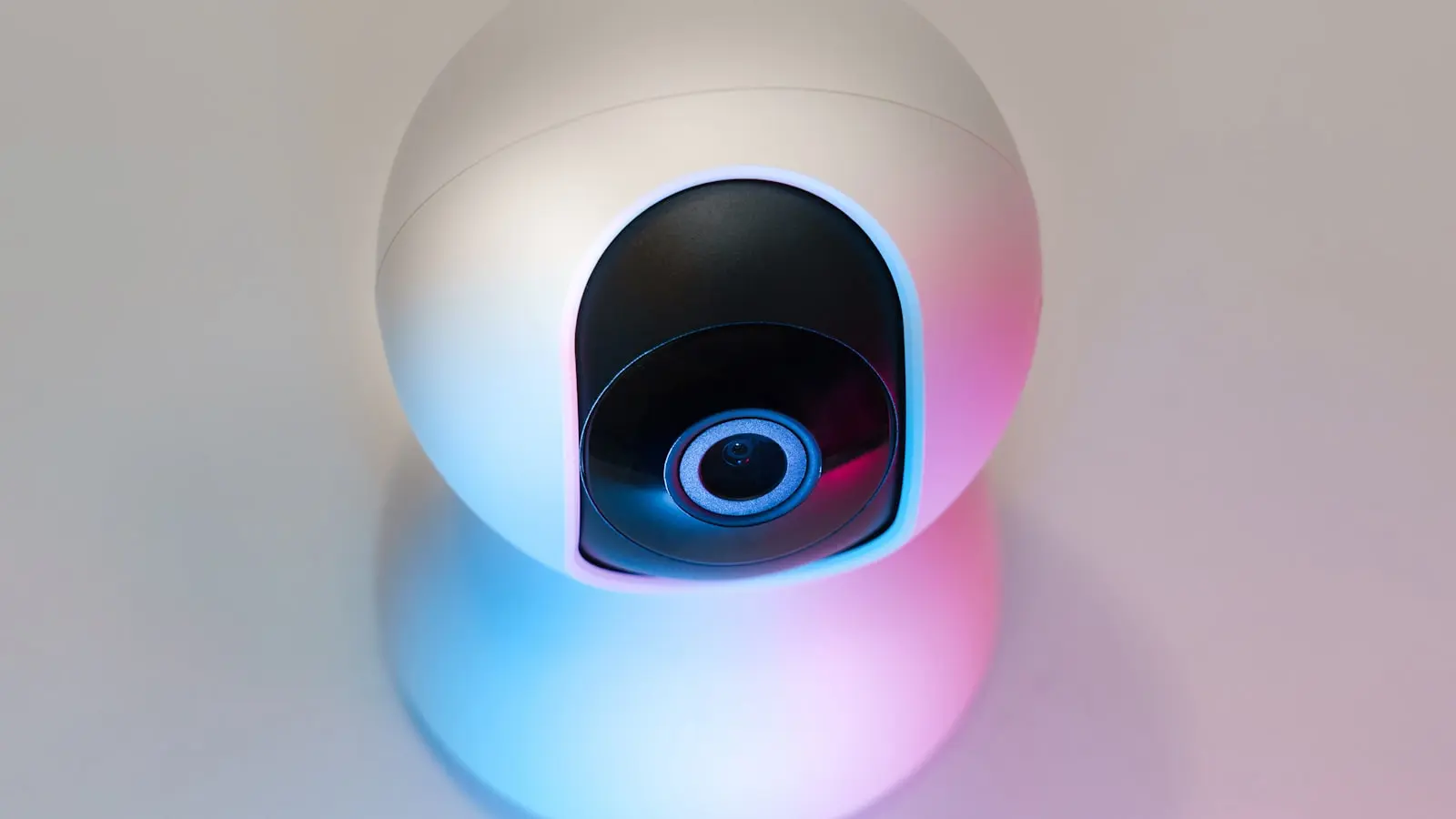

The transition of home security from high-end, professionally installed hardware to off-the-shelf automation has fundamentally shifted how domestic safety is managed. With entry-level kits now available for under 300 dollars, integrated surveillance is no longer a luxury for the wealthy. It is a mass-market utility. (Finally, accessibility meets function.)
The Hardware Ecosystem
Modern integrated systems rely on a combination of AI-driven facial recognition, two-way audio, and instantaneous mobile push notifications to provide real-time status updates. The core strength of these systems lies in their connectivity protocols. High-end setups frequently leverage Z-Wave or Zigbee standards. This is a critical technical distinction. By offloading sensor traffic to dedicated radio frequencies, these systems prevent the saturation of home Wi-Fi bandwidth. For a household managing multiple streaming services, laptops, and smart appliances, this distinction prevents network bottlenecks. (Wi-Fi congestion is the silent killer of smart home reliability.)
Efficacy and Deterrence
Statistics indicate that homes featuring visible, integrated security technology experience a 30 percent reduction in attempted burglaries compared to properties relying solely on manual mechanical locks. The presence of hardware acts as a psychological barrier, redirecting potential intruders toward less resistant targets. However, this deterrent effect relies on the assumption that the system remains online and responsive. If the network goes down, the deterrence value drops to zero.
Data Privacy and Storage Trade-offs
The industry has pivoted aggressively toward cloud-based storage, allowing users to maintain 30-day archives of video footage without the need for cumbersome local server hardware. While convenient, this model creates a persistent dependency on third-party servers. Cybersecurity experts consistently emphasize that the primary risk to these systems is rarely a hardware failure or a sophisticated cyberattack. The vulnerability is almost always human error. Weak password management, failure to enable two-factor authentication, and the re-use of credentials across platforms remain the most significant security holes. (Human nature is the weakest link in any automated chain.)
Choosing the Right Setup
When evaluating these systems, functionality must be weighed against data sovereignty. A robust system should ideally offer the following capabilities:
- Local Storage Options: Relying exclusively on cloud storage introduces subscription fees and privacy concerns. Options that support SD cards or local hard drives provide a safety net if the internet connection is severed.
- Protocol Diversity: Prioritizing devices that support Z-Wave or Zigbee ensures that the system is scalable and does not choke the home router.
- Granular Privacy Settings: Users must have the ability to toggle recording zones and mask sensitive areas, such as a neighbor’s property, to prevent unintentional surveillance.
The Verdict
For the average homeowner, a sub-300 dollar system provides a baseline of visibility that was previously unattainable. However, the hardware is only as secure as its configuration. Opting for a system that provides local storage is the most prudent path for privacy-conscious users. Cloud-only models may offer ease of use, but they trade ownership of one’s footage for convenience. (Privacy should never be an optional upgrade.) The tech is solid, provided the user treats their home network with the same scrutiny as a professional enterprise environment.