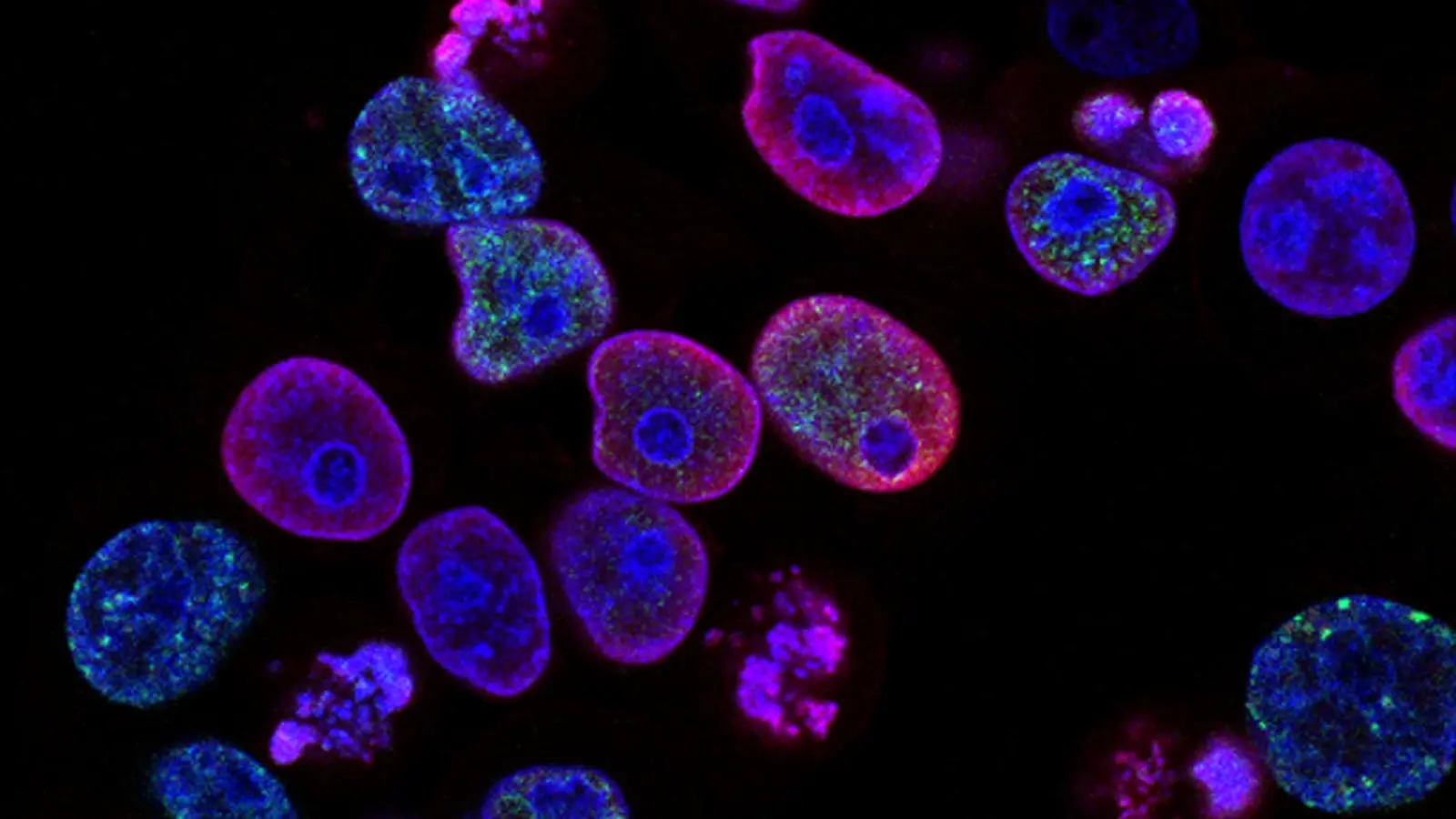

For decades, a central mystery in Alzheimer’s research has been the disease’s uneven march through the brain. Some neural regions succumb quickly to its toxic assault, while others show remarkable resilience. A new study from researchers at UCLA and UCSF finally provides a molecular explanation for this phenomenon, uncovering a hidden defense mechanism that actively protects certain neurons from the toxic protein aggregates that define the disease.
The discovery centers on a protein complex named CRL5SOCS4. This intricate piece of cellular machinery acts as a vigilant cleanup crew, scouring the neuron for tau, a protein that becomes toxic when it misfolds and clumps together. When this complex finds a dangerous tau fragment, it labels it with a molecular tag, effectively marking it for immediate disposal by the cell’s proteasome—its internal waste-recycling system. This proactive quality control prevents tau from ever forming the devastating tangles that choke neurons and lead to cognitive decline. The system is elegant. And it is crucial.
Unmasking the Protector and the Threat
To find this elusive guardian, the scientific team deployed a powerful and systematic search method. Using the CRISPR gene-silencing tool on lab-grown human neurons, they methodically shut down nearly every single gene in the human genome, one by one, to see which deactivations caused tau levels to spike. This exhaustive, brute-force screening process directly pinpointed the CRL5SOCS4 complex as a master regulator of tau protein levels. The research also illuminated the trigger for tau’s transformation into a threat. Cellular stress, particularly oxidative stress, was found to cleave the tau protein, creating a truncated, stickier fragment that is far more prone to aggregation.
This finding fundamentally reframes the narrative. It suggests that Alzheimer’s pathology isn’t just about the production of a toxic protein, but also a simultaneous failure of the cell’s ability to clear it out. Dr. Avi Samelson, a lead author from UCLA, noted the power of their unbiased approach. “By systematically screening nearly every gene in the human genome,” he stated, “we found both expected and completely unexpected pathways that control tau levels in neurons.” The investigation did not just confirm old hypotheses; it opened entirely new doors.
From the Lab to the Human Brain
A laboratory finding, no matter how compelling, requires validation in human tissue. The researchers turned to the Seattle Alzheimer’s Disease Brain Atlas, a comprehensive database containing molecular information from the brains of deceased patients. The data provided the critical link. They found that neurons in brain regions known for their resilience to Alzheimer’s pathology consistently had high levels of CUL5, a key component of the newly discovered protective complex. Even in the brains of patients who died with advanced Alzheimer’s, these specific cells were still equipped with a robust cleanup system.
This evidence transforms the CRL5SOCS4 complex from a scientific curiosity into a legitimate biological factor in human disease progression. It confirms that this pathway is not a mere artifact of a petri dish but an active defense operating within our own brains. The presence of high CUL5 levels in resilient cells suggests a direct correlation between the efficiency of this disposal system and a neuron’s ability to survive the onslaught of Alzheimer’s pathology. (A critical piece of the puzzle).
New Targets in a Long War
The implications for developing future Alzheimer’s treatments are profound. For years, therapeutic strategies have focused on clearing out the amyloid plaques and tau tangles after they have already formed. This has proven exceptionally difficult. The discovery of the CRL5SOCS4 pathway offers a completely different strategy: reinforcing the brain’s own innate defenses before the damage becomes irreversible.
Instead of dispatching an external agent to clean up a toxic mess, future drugs could be designed to boost the performance of this natural cleanup crew. By enhancing the function of the CRL5SOCS4 complex, it may be possible to help neurons clear out dangerous tau fragments as soon as they appear, preventing the cascade of events that leads to cell death and dementia. This shifts the focus from mitigation to prevention at a cellular level. The target has changed. It is no longer just about fighting the disease, but about strengthening the brain’s capacity to protect itself.