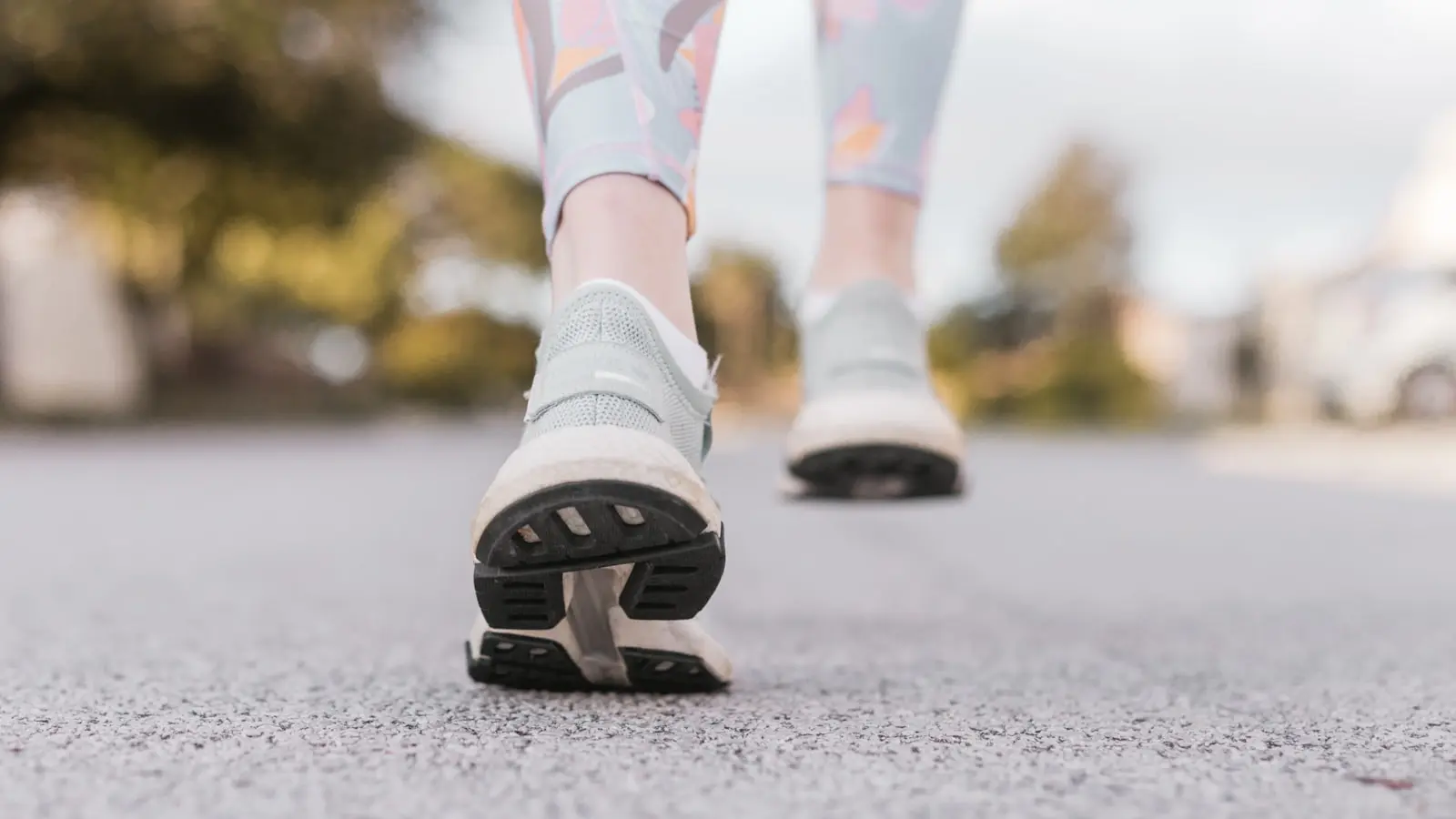
For most long, hot sightseeing days, the best starting point is a lightweight, breathable sneaker with a secure heel, comfortable toe room, moderate cushioning, and a dependable outsole. But the best shoes for hot city walking are not one universal model or category. Your route, weather, luggage space, foot shape, and history with blisters matter more than a label on the shoe box.
The main trade-off is straightforward: shoes that feel cooler are not always the most structured, while highly supportive or waterproof footwear can be warmer, heavier, and slower to dry. Choose the pair that has already proved comfortable through extended walking, not one that feels good for a few minutes in a store.
Key Takeaways
- For long pavement-heavy days, breathable running-style or walking sneakers are usually the most versatile choice.
- Fit is more important than shoe category: secure heel hold, adequate toe room, and tested socks reduce avoidable friction.
- More cushioning, support, grip, and water resistance all involve trade-offs in weight, heat retention, flexibility, or drying time.
- Break shoes in with progressively longer walks before departure; do not make vacation day one their first serious test.
- Stop and reassess if pain changes your gait. Numbness, notable swelling, open skin injury, worsening pain, or inability to bear weight warrants medical attention.
Choose Shoes for Hot City Walking by Your Actual Day, Not a Universal Best Pick
Heat changes what city sightseeing footwear needs to do. After hours of walking, standing in queues, climbing stairs, and crossing hard pavement, feet may feel larger and more sensitive. A shoe that seems only slightly snug in the morning can become a pressure or friction problem by late afternoon.
Hard urban surfaces make cushioning useful, but more foam is not automatically better. A thicker, softer sole can make pavement feel less harsh for some walkers, yet a tall or overly soft platform may feel less controlled on curbs, stairs, uneven paving, or wet stone. The right shoe feels stable as well as comfortable.
Before buying, assess the trip rather than relying on marketing terms. Consider:
- How many hours you expect to spend on your feet each day.
- Whether the route is mostly smooth pavement or includes stairs, cobbles, slopes, parks, or uneven paths.
- Whether high temperatures or sustained rain are the more likely challenge.
- Whether you can air shoes overnight between long days.
- Whether carry-on-only packing leaves room for a second pair.
- Whether you have dealt with heel rubbing, cramped toes, hotspots, or shoes that feel unstable.
Breathable mesh and knit uppers can improve airflow and may dry faster than heavily lined shoes. However, very airy uppers can feel less structured around the midfoot. Water-resistant materials can help in wet conditions, but they commonly reduce ventilation in hot weather.
Start With Fit as the Main Blister and Fatigue Variable
Fit matters more than whether a shoe is sold as a running shoe, walking shoe, or travel sneaker. Even a well-designed pair can be a poor sightseeing choice if the toe box pinches, the heel slips, or an upper seam presses on a sensitive area. Long, warm days create the movement, moisture, and pressure that turn minor fit issues into larger ones.
Try shoes on later in the day when possible, when your feet may be closer to their walking-day size. Wear the exact socks you plan to pack. Sock thickness changes internal volume and can alter friction patterns significantly.
Use this practical fit test before committing to a pair:
- Make sure your toes have comfortable room without allowing the foot to slide forward on descents.
- Lace the shoe securely enough to limit heel lift without creating pressure across the top of the foot.
- Walk on stairs, a ramp, or an incline if possible to check whether your toes crowd the front.
- Notice any immediate rubbing from seams, overlays, collars, or straps.
- Walk long enough to judge the shoe in motion rather than only while standing.
Break in a travel pair with progressively longer local walks before departure. New shoes do not need to become worn out, but they should be tested at something close to sightseeing duration. A pair that works for errands may still fail after heat, distance, stairs, and a daypack are added.
Travelers with wide feet should prioritize an appropriate width option or a naturally generous toe box rather than hoping a narrow upper will stretch enough. If you have a history of blisters, identify the recurring trouble spot—such as the heel, little toe, arch, or forefoot—and assess whether the new pair recreates the same contact point.
Flat-footed walkers may prefer a stable platform and secure midfoot fit, but no shoe feature should be treated as a correction or cure. For ongoing ankle instability, prioritize a secure heel and predictable platform rather than assuming a higher collar solves the issue. Persistent pain, repeated giving-way, or significant instability should be assessed by a qualified clinician.
Match the Shoe Type to the Route, Heat, and Travel Constraints
Breathable walking or running-style sneakers are often the strongest choice for long, pavement-heavy summer days. They can offer a practical balance of airflow, cushioning, flexible movement, and adjustable lacing. Choose a pair that feels controlled and comfortable for walking rather than simply the lightest option available.
Supportive walking shoes can suit travelers who prefer a firmer, more structured feel. Their trade-offs are often weight, bulk, heat retention, and reduced packability. They make sense when the added structure improves your comfort and confidence over a long day.
Sandals can work for dry, lower-mileage itineraries when they are already proven comfortable. They provide ventilation, but exposed feet are more vulnerable to dust, sun, bumped toes, and strap friction as sweat builds. Sandals may also feel less secure on stairs, uneven paving, or wet surfaces.
Trail shoes are useful when a trip includes steep paths, loose ground, or uneven terrain beyond the city. For mostly urban pavement, aggressive lugs can feel unnecessary, and some trail constructions may run warmer or heavier than needed.
Waterproof or strongly water-resistant shoes are best reserved for trips where wet conditions are likely to be a major factor. In high heat, a breathable pair that can air out may be more practical after a brief shower. A shoe that stays damp inside from rain or sweat can be uncomfortable the next morning.
Use this matching framework to narrow the choice:
- Long pavement-heavy days in high heat: Choose a lightweight breathable sneaker with moderate cushioning, a secure heel, toe room, and a reliable outsole.
- Mixed pavement, stairs, and occasional rain: Favor a stable shoe with confidence-inspiring grip, without adding more weather protection than the trip requires.
- Carry-on-only travel: Pack one proven versatile pair first. Add compact recovery footwear only if it serves a clear purpose.
- Wide feet or toe rubbing: Put width, toe-box shape, and lacing adjustment ahead of styling or advertised technology.
- Ankle insecurity: Choose a stable, well-secured shoe and seek clinical guidance if symptoms are persistent, severe, or worsening.
Build a Hot-Weather Foot-Comfort System Around the Shoes
Shoes are only part of the system. Socks, lacing, moisture management, and overnight drying often determine whether a small hotspot stays manageable or disrupts the next day.
Use moisture-managing socks that you have already tested with the chosen shoes. Thicker socks can add cushioning and reduce movement in one shoe, but they can also make another pair too tight. Carry at least one spare pair for a long day so you can change out of sweat-soaked socks if needed.
Insoles are optional. An insert can reduce internal volume, raise the heel, or change pressure points. Only pack an insole that has already been tested on longer walks with the same shoes and socks.
A compact travel shoe blister prevention kit can include blister dressings, tape or a friction-barrier product, spare socks, small wipes, and a way to air out footwear. Address rubbing early rather than waiting for it to become painful. If a shoe starts changing your gait, stop, reassess the lacing and fit, and reduce walking if possible.
At the hotel, loosen laces and open shoes for airflow. Remove removable insoles and dry them separately. Avoid relying on a wet pair for the next full sightseeing day when another option is available.
Pain that worsens, numbness, notable swelling, open skin injury, signs of infection, or inability to bear weight should not be treated as a routine travel inconvenience. Stop walking and seek appropriate medical advice, especially when symptoms are significant or do not settle.
Use This Pre-Trip Buying and Packing Checklist
The strongest purchase decision is usually the least exciting one: the shoe that has already completed a long local walk comfortably. Before it goes in the suitcase, confirm that:
- It has passed a longer walk in your intended travel socks.
- Your toes have room while your heel stays secure on stairs and downhill sections.
- The width is comfortable without depending on the upper to stretch substantially.
- The laces allow small adjustments as your feet warm up through the day.
- The upper offers suitable ventilation for the expected conditions.
- The outsole is in good condition and feels dependable for likely surfaces.
- The cushioning feels comfortable without making the shoe feel unstable or overly bulky.
- The pair can realistically air and dry between sightseeing days.
Pack for the itinerary rather than the outfit. A proven pair of breathable travel sneakers is more useful than a stylish pair that has not earned your trust over distance. A second pair is worthwhile only when it solves a real problem, such as sustained rain, mixed terrain, evening recovery, or avoiding another full day in damp shoes.
FAQ: Shoes for Hot City Walking
Are running shoes good for hot city sightseeing days?
They often are, especially breathable running-style sneakers with secure fit and moderate cushioning. The important factor is not the running label but whether the pair has been tested for walking duration, fits your foot shape, and feels stable on expected surfaces.
Should I wear sandals or sneakers for summer city travel?
Sneakers are usually the more dependable all-day option for long distances, stairs, and varied surfaces because they offer more coverage and a more secure fit. Sandals can work for shorter, dry days when they have already been tested, but straps and exposed feet create different challenges in heat.
How do I prevent blisters when walking all day on vacation?
Start with shoes and socks that have been tested together before travel. Keep feet as dry as practical, carry spare socks and basic friction supplies, and respond to rubbing early. If pain alters how you walk or skin damage becomes significant, stop and reassess instead of pushing through.