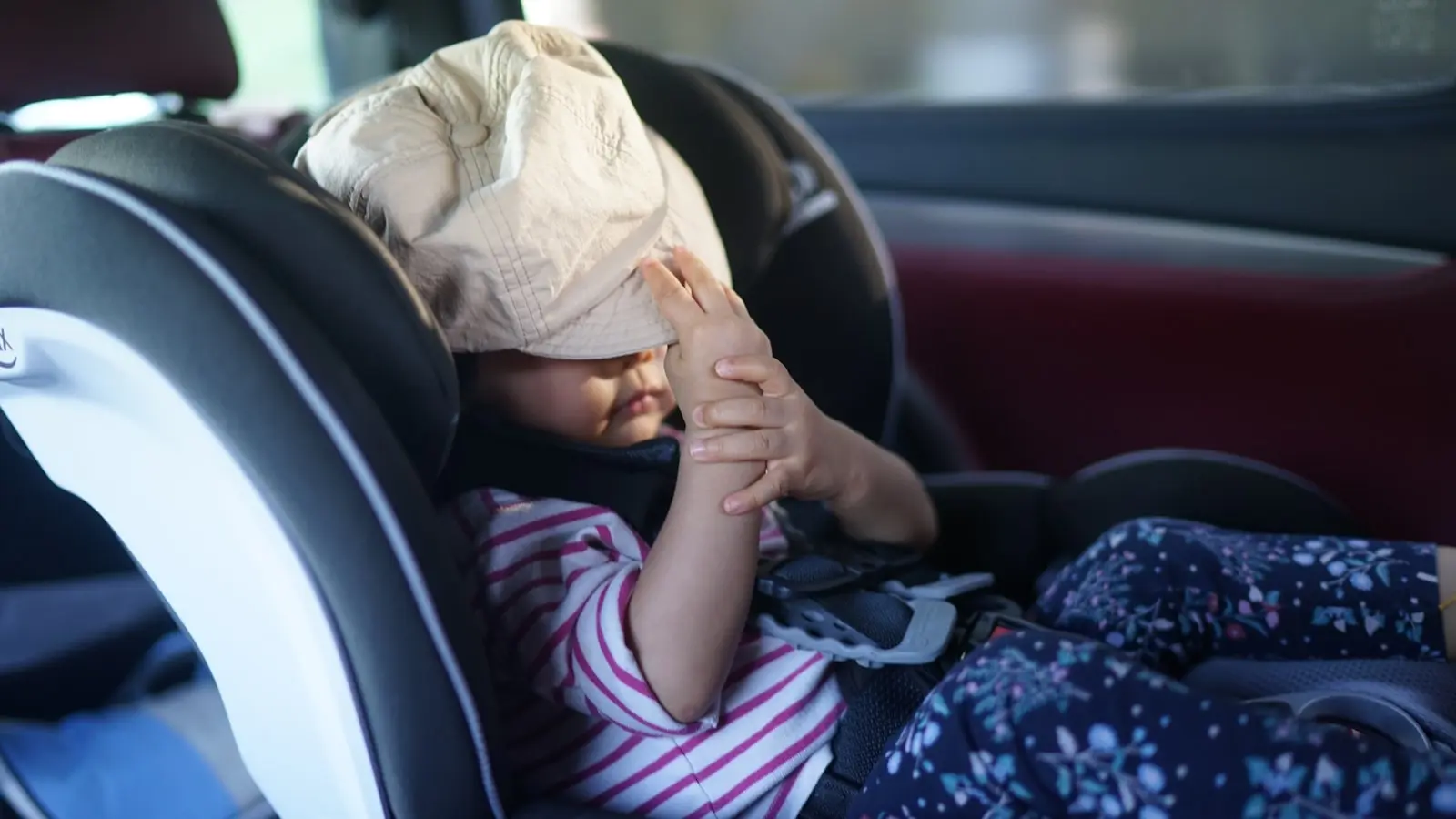
Key Takeaways
- Stop every 2–3 hours for diaper changes, feeding, and stretching – this is the AAP recommendation.
- Never feed your baby in a moving car; always pull over to reduce choking risk.
- Transfer your baby out of the car seat at stops to prevent positional asphyxiation during sleep.
- Pack a dedicated health kit with thermometer, infant pain reliever, electrolyte solution, and a list of nearby urgent care centers.
- Use non-drug measures first for car sickness: fresh air, cool car, frequent breaks – consult a pediatrician before any medication.
1. Pre-Trip Preparation: Pediatric Consultation and Gear Checklist
Before any long road trip with an infant, schedule a pediatric visit to discuss your travel plans. This allows the pediatrician to confirm that your baby is healthy enough for extended travel, review vaccination schedules, and provide age-specific guidance. It is also the right time to ask about motion sickness preventatives or any concerns you have about your baby road trip health.
Gear plays a critical role in keeping your baby comfortable and safe. The most important item is a rear-facing car seat installed in the back seat. Never place a rear-facing seat in the front seat of a vehicle with an active airbag. Add mesh window shades to block direct sunlight and keep the car cooler. Pack a portable changing pad with disposable liners, a travel crib or bassinet for safe sleep at stops, and a cooler with ice packs to store pumped milk or prepared formula. A travel crib ensures your baby has a flat, firm sleep surface once you arrive at your destination.
Build a dedicated packing list for health essentials: a digital thermometer, age-appropriate infant pain reliever (acetaminophen or ibuprofen, as approved by your pediatrician), a nasal aspirator, saline drops, rash cream, burp cloths, and baby-safe hand sanitizer. Include extra sets of clothes for both the baby and yourself. Plan your route with identified stops every 2 to 2.5 hours, and note baby-friendly hotels or rest areas along the way. Prepping these details reduces stress and helps maintain routines.
2. On-the-Road Schedule: Breaks, Feeding, and Sleep
The 2-Hour Break Rule – The American Academy of Pediatrics recommends stopping every 2 to 3 hours for a day trip to allow your baby to get out of the car seat, stretch, change diapers, and feed. For night driving, breaks every 4 to 6 hours are acceptable, but never skip a daytime break because you are trying to make time. A baby road trip health plan prioritizes these stops as non-negotiable.
Feeding logistics – Never breastfeed or bottle-feed your baby in a moving car. The risk of choking or aspiration increases with motion, and it is unsafe for both of you. Pull over at a rest stop or safe area for feeding. For pumped milk, store it in a cooler with ice packs to keep it at or below 40°F (the CDC recommends this temperature range). If using formula, prepare fresh at each stop using pre-measured powder and bottled water, or bring ready-to-feed formula that does not require mixing. For babies over 6 months, you can offer small amounts of water in a sippy cup during breaks, but stick to breastmilk or formula for hydration for younger infants.
Napping strategies – Many babies will fall asleep in the moving car due to the vibration and white noise. That is fine for the duration of the drive, but never let your baby sleep in the car seat once you reach a stop. Prolonged sleep in a car seat outside the vehicle increases the risk of positional asphyxiation. When you stop, transfer your baby to a travel crib or bassinet on a flat, firm surface. Keep the car cool and shaded during the drive to promote sleep; consider a white noise app or a portable sound machine if needed. Frequent breaks actually help reset sleep patterns, so do not worry about disrupting a nap – it is safer to break the car seat sleep cycle.
3. Handling Hygiene and Diaper Changes in Remote Areas
When traveling through remote areas with limited facilities, plan for hygiene before you need it. A portable changing pad with disposable liners is essential – you can change the baby on the car seat, on a picnic table, or on the ground if necessary. Keep a sealed wet bag for dirty diapers and soiled clothes to contain odors and mess.
For older infants who are potty training (around 1 year), bring a portable potty. Place a disposable diaper inside the potty to absorb urine and prevent spills. This tactic is useful when gas station restrooms are questionable or unavailable. Always use baby-safe wipes and hand sanitizer when soap and water are not accessible. Clean hands before and after diaper changes to reduce the spread of germs. If you have access to a rest stop, use their changing table but wipe it down first with a sanitizing wipe.
4. Recognizing and Preventing Car Sickness in Infants
Car sickness is less common in very young infants but can still occur, especially during winding roads. Signs include unusual fussiness, drooling more than usual, pale or clammy skin, vomiting, or a sudden quietness (the baby may be trying to calm queasiness). Trust your instincts – if your baby seems distressed, stop.
Prevention starts with reducing triggers. Avoid feeding a heavy meal immediately before driving. Keep the car cool and well-ventilated; strong smells from food or air fresheners can worsen nausea. Frequent breaks with fresh air are the best non-medication strategy. If your baby shows early signs, stop the car, get them out, and let them breathe fresh air. You can also offer a small amount of cool water if they are over 6 months.
When should you consult a pediatrician about car sickness? If your baby experiences recurrent or severe symptoms that interfere with travel, discuss age-appropriate interventions. Over-the-counter motion sickness medications are not recommended for infants under 1 year without specific pediatric approval. Never give any medication without first consulting your doctor. Non-drug measures are always the safer first step for baby road trip health.
5. Emergency Kit and First-Aid Essentials
Assemble a dedicated infant travel first-aid kit. Include a digital thermometer, infant acetaminophen or ibuprofen (dose according to weight and pediatrician guidance), an electrolyte solution like Pedialyte for dehydration, bandages, antibiotic ointment, hydrocortisone cream for rashes, saline drops for stuffy noses, and a nasal aspirator. Add a small supply of your baby’s usual medications, such as reflux or allergy medicines.
Also pack a list of urgent care centers, pediatric clinics, and hospitals along your route. Keep this list in the glove compartment or save it on your phone. Check that your car seat is correctly installed before departure – most fire stations offer free inspections. Finally, never leave your baby alone in the car, even for a minute. Temperatures inside a car can rise quickly, leading to heatstroke. Plan so that one adult always stays with the baby while the other runs errands at a stop.
Frequently Asked Questions
Can I give my baby motion sickness medication before a road trip? Motion sickness medications are rarely recommended for infants under 1 year. Always consult your pediatrician first. Non-drug strategies like frequent breaks, fresh air, and keeping the car cool are safer first steps.
How can I keep my baby hydrated during a long drive? Offer breastmilk, formula, or small amounts of water (if over 6 months) at each break. Use a cooler to keep milk cold. Avoid sugary drinks. Frequent short sips are better than large amounts before driving.
Is it safe for my baby to sleep in the car seat for extended periods? The car seat is safe for travel time, but prolonged sleep outside the car (e.g., overnight) is not recommended due to the risk of positional asphyxiation. Plan to transfer the baby to a flat, firm sleep surface (bassinet or travel crib) once you reach your stop.