The Reality of Enteric Infections Along the Silk Road
Traveler’s diarrhea is the most frequently reported health complaint among visitors to Central Asia. The risk is not theoretical. Epidemiologic data from the CDC indicates that up to 40% of travelers to medium-risk regions such as Uzbekistan will experience at least one episode of acute diarrhea during a two-week trip. The pathogenesis is almost always bacterial: enterotoxigenic Escherichia coli, Campylobacter jejuni, and Shigella species dominate the etiologic landscape. Viruses such as norovirus and protozoa like Giardia are less common but still present. The condition is self-limiting in the majority of cases. That does not make it trivial. Dehydration, electrolyte imbalance, and the outright disruption of an itinerary are predictable consequences.
The Reddit forum discussions on this topic are pragmatic. Travelers recommend oral rehydration salts, avoidance of tap water, and a preference for cooked foods. These recommendations align with clinical guidelines but deserve a deeper examination of the evidence base. The question is not whether these measures are helpful. The question is which ones are supported by reproducible data and which are placebo in disguise.
Scene Anchor: The Chorsu Bazaar at Midday
Consider the scene at Tashkent’s Chorsu Bazaar. Under the massive blue dome, vendors fan flames beneath skewers of lamb and plov. Locals queue for fermented horse milk in plastic cups. The turnover of meat is high. The hygiene is not a binary variable. It is a gradient. A stall that sells a hundred skewers an hour has a lower probability of bacterial overgrowth than a stall that sells ten. This is not intuition. It is a product of time-temperature dynamics. Pathogen replication follows logarithmic growth. The faster the inventory moves, the less time bacteria have to amplify.
Busy stalls also imply that the food is cooked to order, which reduces the window for cross-contamination. A 2009 study published in the Journal of Travel Medicine examined risk factors for traveler’s diarrhea in various destinations. Eating at establishments with high customer density reduced the odds of illness by approximately 30% compared to low-turnover venues. The mechanism is exposure reduction, not magic. The same principle applies to cooked foods: a heat process that exceeds 70 degrees Celsius internal temperature for two minutes kills most vegetative pathogens. This is why the guideline to eat only cooked foods is not a cultural judgment. It is a thermodynamic one.
Evidence for Probiotics Before and During Travel
The Reddit thread mention probiotics as a preventive measure. The evidence is mixed but not dismissable. A 2017 meta-analysis in the Cochrane Database of Systematic Reviews examined randomized controlled trials of probiotics for prevention of traveler’s diarrhea. The pooled data showed a modest reduction in risk, with a relative risk of approximately 0.85. That translates to a 15% reduction. The effect varied by probiotic strain. Lactobacillus rhamnosus GG and Saccharomyces boulardii had the strongest supporting data. The mechanism involves competitive exclusion of pathogens and enhancement of mucosal barrier function.
Probiotics are not a replacement for hygiene. They are an adjunct. For a traveler to Uzbekistan, starting a course of a multi-strain probiotic three days before departure and continuing through the trip is a low-risk intervention. The cost is low. The side effects are minimal (mild bloating in some users). The benefit is statistically real but not transformative. Do not expect probiotics to negate a plate of undercooked meat or unpeeled fruit washed in tap water.
The Role of Oral Rehydration Salts (ORS)
Oral rehydration salts are the single most important treatment for acute watery diarrhea. The World Health Organization recommends a solution with 3.5 grams of sodium chloride, 2.9 grams of trisodium citrate, 1.5 grams of potassium chloride, and 20 grams of glucose per liter of clean water. This formulation exploits the sodium-glucose cotransport mechanism in the intestinal epithelium. It reduces stool output and prevents dehydration. For travelers in Uzbekistan, having a supply of pre-packaged ORS packets is non-negotiable. Tap water in the region is often contaminated with bacteria and should not be used for reconstitution. Instead, travelers should use bottled water. If bottled water is unavailable, boiling water for at least one minute is an acceptable alternative. The Reddit community emphasizes this correctly.
The mistake is to rely on sports drinks or fruit juices. These have incorrect electrolyte ratios and high sugar content, which can worsen osmotic diarrhea. ORS is designed by physiology. Use it.
Tap Water, Ice, and Food Hygiene
The tap water in Tashkent, Samarkand, and Bukhara is not reliably safe for consumption. Chlorination is inconsistent. The risk of bacterial and protozoal contamination is real. Ice made from tap water carries the same risk. The guideline to avoid tap water extends to salads, fruits that cannot be peeled, and raw vegetables. Lettuce and herbs are particularly suspect because they are often washed in local water and have large surface areas that can harbor pathogens. Cooked vegetables that are served hot are safe. Fruits with intact skins (bananas, oranges, mangos) that are peeled by the traveler are safe.
Hand hygiene is another overlooked variable. Alcohol-based hand sanitizers with at least 60% ethanol are effective against most bacterial and viral pathogens. Soap and water are better when available. The efficacy of hand sanitizer decreases in the presence of visible soil. For the Silk Road traveler, carrying a small bottle of sanitizer and using it before every meal is a simple but high-impact behavior.
Bismuth Subsalicylate as Prophylaxis: A Trade-Off
Bismuth subsalicylate (Pepto-Bismol) has been studied as a prophylactic agent for traveler’s diarrhea. A 2005 review in the Journal of Travel Medicine reported a protective efficacy of approximately 40% when taken four times daily. The mechanism is not fully understood but involves binding of enterotoxins and anti-inflammatory effects. However, tolerability is a limitation. Bismuth subsalicylate can cause blackening of the tongue and stools, tinnitus at high doses, and potential interference with other medications. It is not recommended for long-term use (more than three weeks) due to risk of salicylate toxicity. For a two-week trip to Uzbekistan, some clinicians prescribe it for high-risk scenarios (e.g., extreme street food adventure). But routine use is not standard. The risk-benefit calculation depends on the traveler’s tolerance for side effects and the itinerary.
Antibiotic prophylaxis (e.g., fluoroquinolones or rifaximin) is not recommended for most travelers due to the risk of adverse reactions, antibiotic resistance, and disruption of the microbiome. The standard of care is to treat only if diarrhea becomes moderate to severe (more than three watery stools in 24 hours with accompanying symptoms). At that point, self-treatment with a single-dose azithromycin or a three-day course of rifaximin may be appropriate. But this should be done under a physician’s guidance, not as an over-the-counter default. The Reddit discussions often overlook this nuance. Carrying a prescription for a standby antibiotic is reasonable, but using it should be a decision, not a reflex.
The Reality of Street Food: Risk vs. Reward
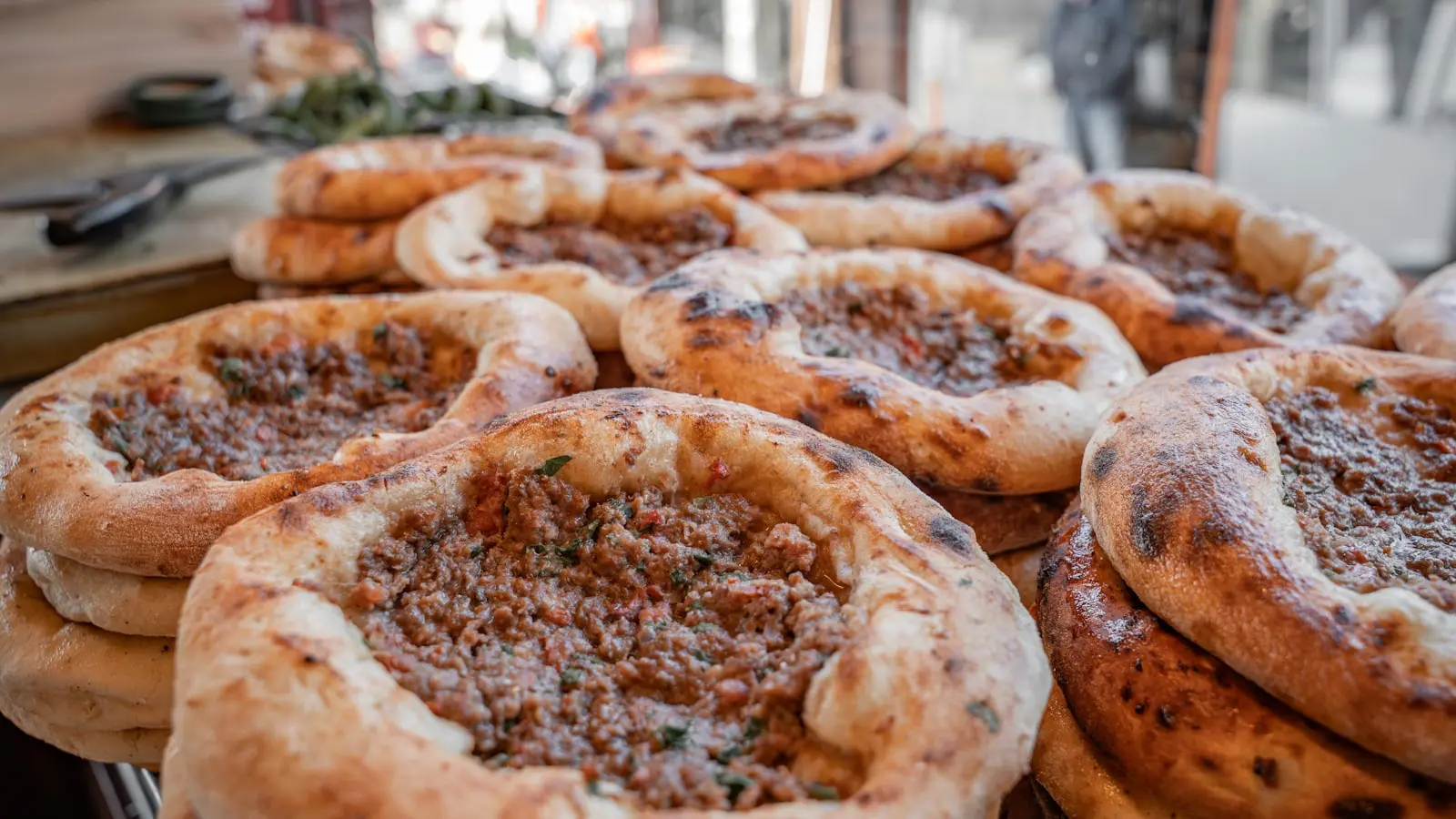
Uzbek street food is a culinary highlight: plov, shashlik, samsa, lagman, and non (flatbread). The risk of foodborne illness is real but not prohibitive. The evidence shows that the incidence of traveler’s diarrhea among those who eat street food is higher than among those who eat at hotel restaurants. But the difference is not as large as some assume. A 2013 prospective cohort study in the Journal of Travel Medicine found that the odds ratio for street food consumption was 1.6, meaning a 60% increase in odds. That is a meaningful increase but not an inevitability. The study also noted that the risk was almost entirely attributable to foods that were raw or unpeeled, or that had been left at ambient temperature for more than four hours.
The practical takeaway is to observe the kitchen. If the cooking area appears clean, if utensils are not visibly soiled, if the food is cooked in large batches and served immediately, the risk is manageable. Avoid food that has been sitting in a display case. Avoid dairy products that have not been pasteurized. Uzbekistan’s fermented dairy drinks (kefir, ayran) are generally safe if commercially produced and refrigerated. The raw milk version is a different story.
When to Seek Medical Attention
Most episodes of traveler’s diarrhea resolve within 72 hours without specific therapy. The indications for seeking medical care include bloody diarrhea (dysentery), fever above 38.5 degrees Celsius, severe abdominal pain, signs of dehydration (dry mouth, decreased urination, orthostatic dizziness), or diarrhea lasting more than 14 days. Tashkent has several international clinics that are capable of managing these conditions. The SD Clinic and the American Medical Center are examples. Travelers should have travel insurance that covers evacuation if the condition is severe. In practice, the majority of cases will be managed with rest, ORS, and a few doses of loperamide for symptom control (only in the absence of fever or bloody stools). Loperamide should not be used in dysentery because it can prolong the infection by impairing clearance of the pathogen.
The Bottom Line
The Silk Road in Uzbekistan offers an extraordinary culinary experience. The risk of foodborne illness is a known variable that can be modulated but not eliminated. The evidence supports a package of interventions: choose high-turnover stalls, eat cooked foods only, use bottled water for drinking and reconstituting ORS, carry a multi-strain probiotic, and treat symptoms promptly with ORS and, if needed, a standby antibiotic under guidance. The goal is not to create a bubble of sterile eating. It is to reduce the probability of a severe disruption to an acceptable level. The Reddit community’s advice is sound in broad strokes but lacks the nuance of evidence-based stratification. This article provides that nuance. Travel well, eat well, and carry the knowledge that the risk is manageable with preparation and reason.