The Reality of Hanoi Street Food and Food Safety
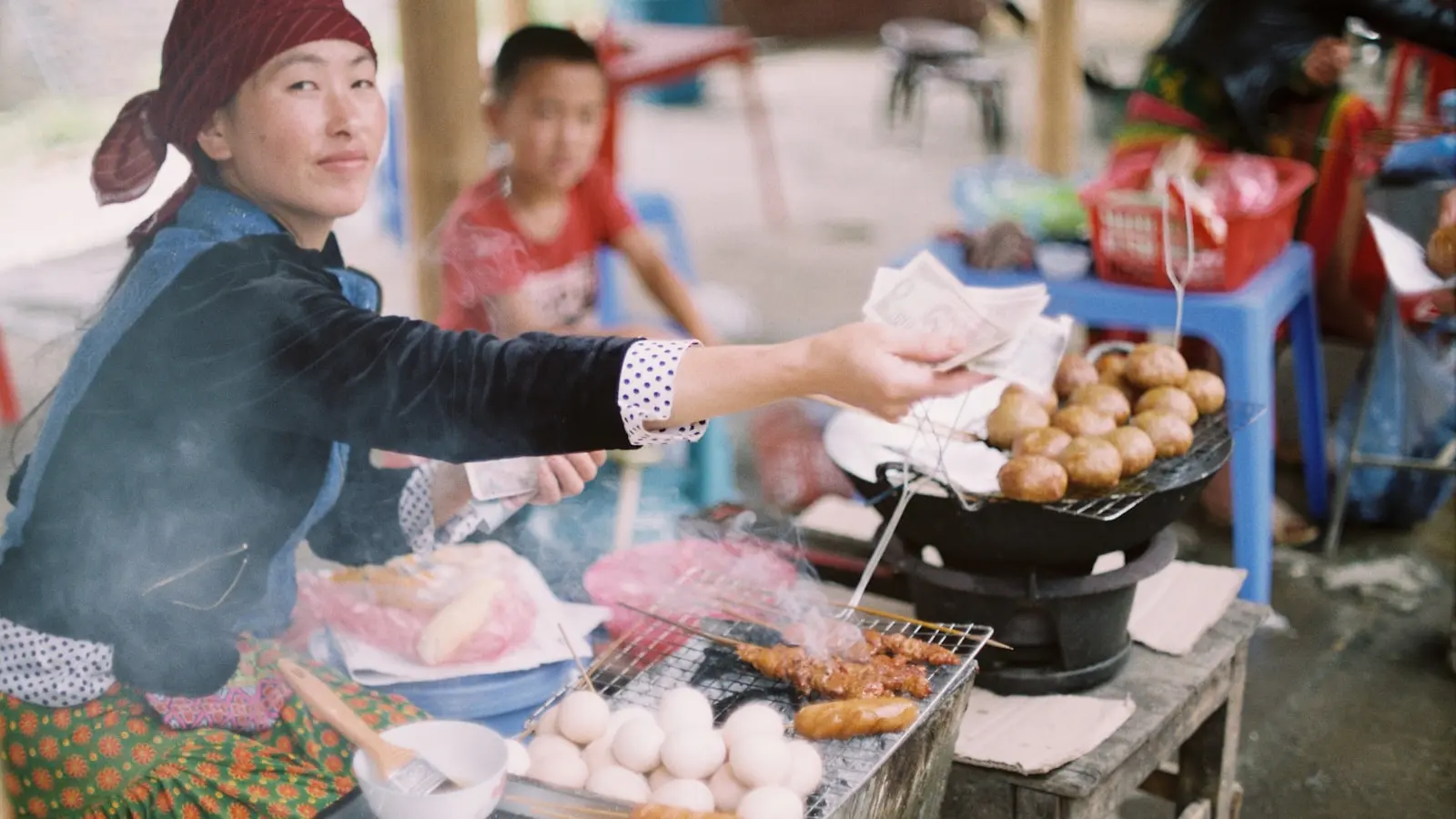
When travelers land in Hanoi, the old quarter’s steam and sizzle is an immediate sensory overload. Vendors crouch over charcoal grills, pho broth bubbles in cauldrons, and plastic stools line the sidewalks. The appeal is obvious. The risk, however, is often underestimated. Street food in Hanoi is not inherently dangerous, but the conditions under which it is prepared and served introduce variables that can disrupt a tourist’s digestive system. The colloquial term “Hanoi belly” is not a clinical diagnosis; it is a catch-all description for the gastrointestinal distress that follows exposure to unfamiliar bacterial strains, contaminated water, or improperly handled ingredients.
A review of Reddit travel forums reveals a pattern: experienced travelers do not avoid street food. Instead, they employ a set of field-tested principles to minimize exposure to pathogens. This article distills those principles into a practical, evidence-informed framework. No probiotic marketing disguised as advice, no fear of fermented fish sauce. Just a calibrated approach to eating well without spending half your trip in a hotel bathroom.
The Mechanism Behind Traveler’s Diarrhea
Food poisoning in this context is rarely caused by a single exotic pathogen. The culprit is usually enterotoxigenic Escherichia coli (ETEC), Campylobacter, or norovirus. These organisms thrive in environments where fresh water supply is inconsistent, refrigeration is limited, and cross-contamination between raw and cooked foods occurs. Hanoi’s tropical climate accelerates bacterial growth. A piece of cooked meat left at ambient temperature for two hours can harbor a dose sufficient to cause illness.
Local residents have built immunity to these endemic strains through repeated exposure. Travelers do not. This is why the same stall that serves hundreds of Vietnamese customers daily without incident can send a foreigner to bed for 24 hours. The immune system is not prepared for the specific lipopolysaccharides on the bacterial cell walls. The reaction is not a sign of poor hygiene at that particular stall; it is a predictable response to microbial novelty.
Stall Selection: Crowding as a Proxy for Safety
A crowded stall is not always a clean stall, but it is statistically safer than an empty one. High turnover means food is cooked to order or served shortly after preparation. Bacteria require time to multiply to an infectious dose. A bowl of bun cha that sits on a counter for an hour will have a higher bacterial load than one assembled and eaten within ten minutes.
Look for stalls where the cooking surface is visible and hot. Charcoal grills, boiling pots, and woks at high heat all serve as de facto pasteurization steps. Avoid stalls where pre-cut vegetables sit in open bowls without ice or refrigeration. The pho vendor who dips noodles into boiling broth just before serving is doing more for your safety than any hand sanitizer.
Watch how the vendor handles money and food. If the same hand that takes cash touches the herbs or the finished dish, that is a red flag. Many experienced travelers carry small bills to minimize change handling, though this is more etiquette than safety. The critical action is to observe whether raw meats are stored separately from cooked items. Cross-contamination is a silent vector.
Water and Ice: The Invisible Risk
Bottled water is standard advice, but the nuance lies in ice. In Hanoi, many stalls purchase ice from commercial suppliers who produce it using treated water. The ice is often delivered in large blocks and chipped on site. The surface of the block that contacted the delivery floor or the vendor’s hands may be contaminated. Ask for drinks with no ice, or confirm that the ice comes from a sealed bag. A safer approach is to carry a reusable bottle and buy bottled water from a reputable store, then refill from filtered water stations at your accommodation.
Dishes that involve raw vegetables rinsed in tap water are another route of exposure. The herbs served with pho or bun cha are often washed in local tap water. Even if the vendor rinses them, the water itself may carry bacteria or parasites. Some travelers request the herbs on the side and rinse them with bottled water. Others accept the risk and rely on the fact that the acidic lime juice may reduce pathogen load. Neither method is foolproof. The most conservative approach is to avoid raw, uncooked garnishes in the first 48 hours of arrival, while your gut adjusts.
The Role of Probiotics and Preparation
Reddit threads frequently recommend starting probiotics two weeks before travel. The evidence here is modest but not absent. A 2017 Cochrane review of 12 randomized trials found that probiotics (specifically Saccharomyces boulardii and Lactobacillus strains) reduced the incidence of traveler’s diarrhea by about 15–20%. This is not a vaccine. Probiotics do not kill pathogens; they compete for adhesion sites in the intestinal lining and may reduce the severity of an infection. If you choose this route, begin at least a week before departure, not the day you land.
More immediately actionable is the practice of eating raw ginger or chewing on a clove of garlic. While these have antimicrobial properties in vitro, the concentrations achieved in the gut after consumption are unlikely to neutralize a bacterial load. However, ginger can soothe nausea if symptoms do occur. The best pre-travel preparation is to bring oral rehydration salts (ORS) from your home country. In Hanoi, ORS packets are available at pharmacies, but having your own ensures access the moment symptoms start. Dehydration from diarrhea is the primary danger, not the pathogen itself.
Hand Hygiene: The Overlooked Step
Street food is eaten with chopsticks, spoons, or hands. If you eat with your hands, the cleanliness of those hands matters more than the food. Public restroom facilities in Hanoi’s old quarter vary widely, and not all stalls have a sink with soap. Carry a small bottle of alcohol-based hand sanitizer (at least 60% ethanol) and use it before eating. This is not about germophobia; it is about interrupting the fecal-oral transmission route. Many cases of traveler’s diarrhea are caused by touching a contaminated surface (ATM, handrail, currency) and then touching food.
Wet wipes are another practical tool. They can clean the edges of a bowl or the surface of a plastic stool. But avoid over-sanitizing. The goal is to reduce pathogen load, not sterilize the environment. Small exposures help the immune system adapt over the course of a trip. People who avoid all microbial contact may actually be more vulnerable to a larger dose later.
Specific Foods: What to Prioritize and What to Skip
In Hanoi, foods that are cooked at high heat and served immediately are safest. Examples: pho (broth is boiling, noodles are heated), bun cha (grilled pork on a hot grill), banh mi (bread is baked, fillings are cooked or pickled), and cha ca (fried fish at the table). Raw or fermented items like nem chua (fermented pork roll) and raw blood pudding (tiet canh) are risky. Skip salads unless you can confirm the greens are washed in purified water.
Seafood from street vendors is a gamble. If the vendor has a high turnover and the seafood is visibly live before cooking, the risk is lower. Pre-cooked shrimp or squid sitting on a counter for hours should be avoided. Similarly, avoid anything that is lukewarm when it should be hot. Heat kills bacteria; time at room temperature allows them to regrow.
The First 48 Hours: Acclimation Strategy
The gut microbiome needs time to adjust to new bacterial profiles. During the first two days in Hanoi, stick to one or two stalls that appear busy and clean. Do not eat at five different places in one afternoon. Overwhelming the gut with diverse microbial loads increases the likelihood of a dysbiotic reaction. Gradually introduce new foods. If you experience mild bloating or loose stools initially, it does not necessarily mean food poisoning. It could be osmotic diarrhea from the change in diet, or a mild adjustment. The real danger is profuse watery diarrhea accompanied by fever or blood, which requires medical attention.
Carry a small first-aid kit with loperamide (Imodium) for symptom control when traveling, but do not use it if you have fever or bloody stools. Loperamide can slow the clearance of bacteria from the gut, prolonging infection. Bismuth subsalicylate (Pepto-Bismol) is a better choice for mild cases as it has some antimicrobial activity. Again, oral rehydration is the cornerstone.
When to Seek Medical Help
Hanoi has several international clinics and hospitals with English-speaking staff. If diarrhea persists beyond 48 hours or you cannot keep fluids down, seek care. A short course of azithromycin may be prescribed, but this should not be self-directed. The decision to take antibiotics depends on the severity and the suspected pathogen.
Conclusion
Avoiding food poisoning in Hanoi does not require a sterile environment. It requires informed choices: eat from busy stalls, skip raw items unless peeled, drink bottled water, use hand sanitizer, and give your gut time to adapt. The evidence does not support extreme avoidance. Street food is an intrinsic part of Hanoi’s culture and flavor. With reasonable precautions, the odds of a ruined trip are low. And if you do get sick, remember that the human gut is resilient. Rehydrate, rest, and get back to the sidewalk stool as soon as you can.