Key Takeaways
- Choose vendors with high turnover and visible hygiene practices.
- Order dishes cooked fresh and served piping hot.
- Avoid raw or cold items, pre-cut fruit, and tap water.
- Carry hand sanitizer and oral rehydration salts.
- See a doctor if symptoms are severe or persist beyond three days.
Why Street Food in China Can Be Risky for Your Stomach
Street food in China is a vibrant part of the culture, but it poses risks for travelers unaccustomed to the local microbial environment. Common pathogens like E. coli and norovirus thrive in undercooked meat, raw vegetables, or food left at unsafe temperatures. Health authorities often advise caution when eating from street stalls in areas with uncertain hygiene standards, yet many travelers eat without issues when taking practical precautions.
Food safety problems are not limited to street stalls. Some sit-down restaurants with buffet-style displays serve food that has been left out too long or served lukewarm. Conditions vary by region, so using observation and common sense is key. Understanding these mechanisms helps reduce your risk without spoiling your culinary adventure. The key factors are temperature control, cross-contamination, and the freshness of ingredients. When food is kept hot enough or prepared immediately, most harmful bacteria are killed. The danger arises when cooked items cool down and sit at room temperature, or when raw ingredients come into contact with ready-to-eat foods.
How to Choose a Safe Street Food Vendor
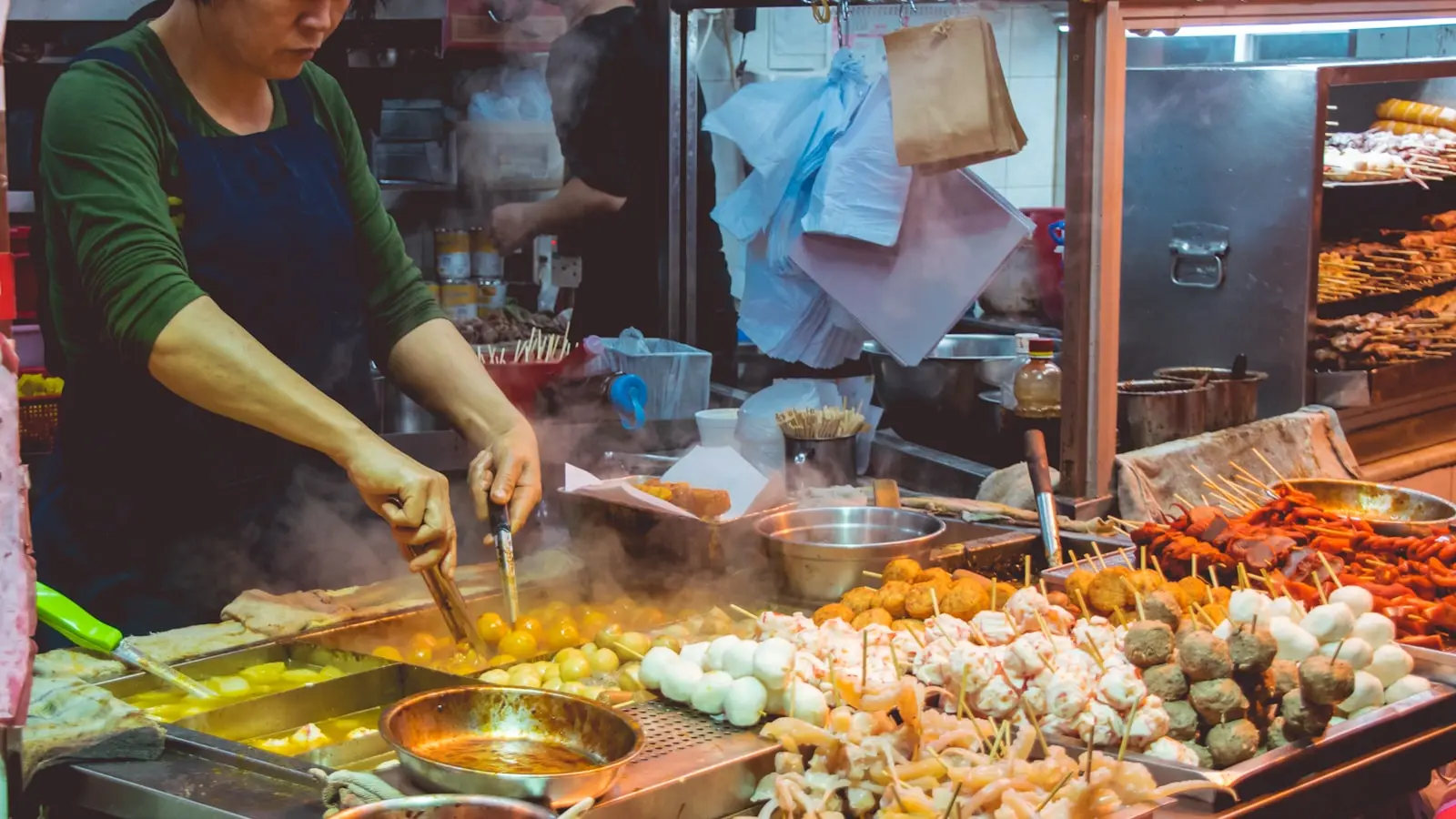
Selecting the right vendor is your first defense. Look for stalls with long queues — high customer turnover means food is cooked and sold quickly, spending less time at unsafe temperatures. Busy stalls also tend to use fresher ingredients because they restock daily. A long line of locals is often a good sign that the food is both tasty and safe.
Observe how the vendor handles food. Ideally, they use gloves or utensils, and the stall appears clean with proper food storage. Pay attention to whether they handle money and food with the same hands — a common but risky practice. If you see raw meat stored next to cooked items, or if the stall has flies or other pests, it is best to move on.
Order dishes cooked fresh in front of you. The high heat from cooking kills harmful bacteria, so steaming hot food is much safer than items sitting under a heat lamp. Avoid stalls where food is pre-cooked and reheated. Also, check that the cooking surface and utensils look clean. Many vendors in China use a wok over a powerful flame — that high heat is your ally.
The Golden Rules: What to Eat and What to Avoid
Some dishes are naturally safer bets. Jianbing (a savory crepe) is prepared on a hot griddle and served immediately. Grilled skewers (yangrou chuan) are cooked to order over charcoal and served hot. Hot soups and noodles are also good options because the boiling liquid kills most pathogens. Steamed buns (baozi) are another safe choice, as the steaming process ensures thorough cooking.
For fruit, choose whole items you peel yourself, such as bananas or oranges. Avoid pre-cut fruit that has been sitting out, as it may have been washed in tap water or handled without gloves. If you want cut fruit, ask the vendor to slice a fresh piece in front of you.
High-risk items include raw or undercooked meats, lukewarm food, and anything that has sat out for a while. Ice in drinks is questionable unless made from boiled or filtered water; skip ice entirely to be safe. Never drink tap water, even for brushing teeth — use bottled or boiled water. Carry hand sanitizer and use it before eating. Oral rehydration salts are a smart item to pack and are available at Chinese pharmacies.
Understanding Local Food Safety Culture
Street food in China is deeply embedded in daily life, and many vendors take pride in their hygiene. However, practices vary widely between cities and even between neighboring stalls. In larger cities like Shanghai and Beijing, food safety regulations are stricter, and vendors often display permits. In smaller towns, standards may be more relaxed, but local customers still avoid stalls that look unsanitary.
It helps to watch how locals choose their food. If a stall is popular with residents, it is likely safe. Also, note that many Chinese dishes are cooked at very high temperatures — stir-frying in a well-seasoned wok can reach over 200°C, which effectively sterilizes the food. The rapid cooking process also means that ingredients are exposed to heat for a short time, retaining flavor while ensuring safety.
Quick Remedies and When to Seek Medical Help
Most stomach issues from street food are mild and resolve within 24–48 hours. If you experience diarrhea, focus on staying hydrated with clean water or oral rehydration salts. Bland foods like congee (rice porridge) are gentle on the stomach and easy to digest. Avoid dairy, greasy foods, and caffeine until symptoms subside.
Over-the-counter medications are available, but it is best to consult a healthcare professional before taking anything, especially if you have a fever or notice blood in your stool. Do not self-medicate without understanding the cause of your symptoms. The most important step is to rest and maintain fluid intake.
Seek medical help if you develop a high fever, experience severe abdominal pain, notice blood in your stool, if symptoms last more than three days, or if you show signs of dehydration such as dry mouth, dizziness, or decreased urination. Chinese hospitals and clinics are equipped to handle foodborne illnesses and can provide appropriate care.
Building Your Street Food Confidence Gradually
If you are new to Chinese street food, start conservatively. During your first few days, stick to recognizable, well-cooked items from busy stalls in well-lit areas. As you become comfortable, explore smaller vendors and more adventurous dishes. Your gut microbiome will gradually adapt to local bacteria, but this process takes time.
Many travelers find that after a few days of cautious eating, they can handle a wider variety of foods. The key is to listen to your body and not push too far too fast. Street food is a fantastic way to experience local culture, and with the right precautions, you can enjoy it without worry.
Frequently Asked Questions
What is the most common cause of food poisoning from street food in China? Bacteria from undercooked meat, raw vegetables washed in tap water, or food left at unsafe temperatures are common causes. Norovirus is also frequently implicated.
Can I eat fruit from street vendors in China? Yes, but choose whole fruits you peel yourself. Avoid pre-cut fruit that has been sitting out.
How quickly can I get sick from street food in China? Symptoms can appear within 1 to 48 hours after eating contaminated food, depending on the pathogen. Most cases are mild and resolve with rest and hydration.
Are there any dishes that are always safe? No dish is guaranteed safe, but those cooked to order at high heat — like stir-fried noodles, hot soups, and grilled items — carry lower risk. Always check that the food is served steaming hot.
Should I avoid street food altogether during my first trip? Not necessarily. With careful vendor selection and smart choices, you can safely enjoy street food. Start with well-known stalls and gradually expand your options.