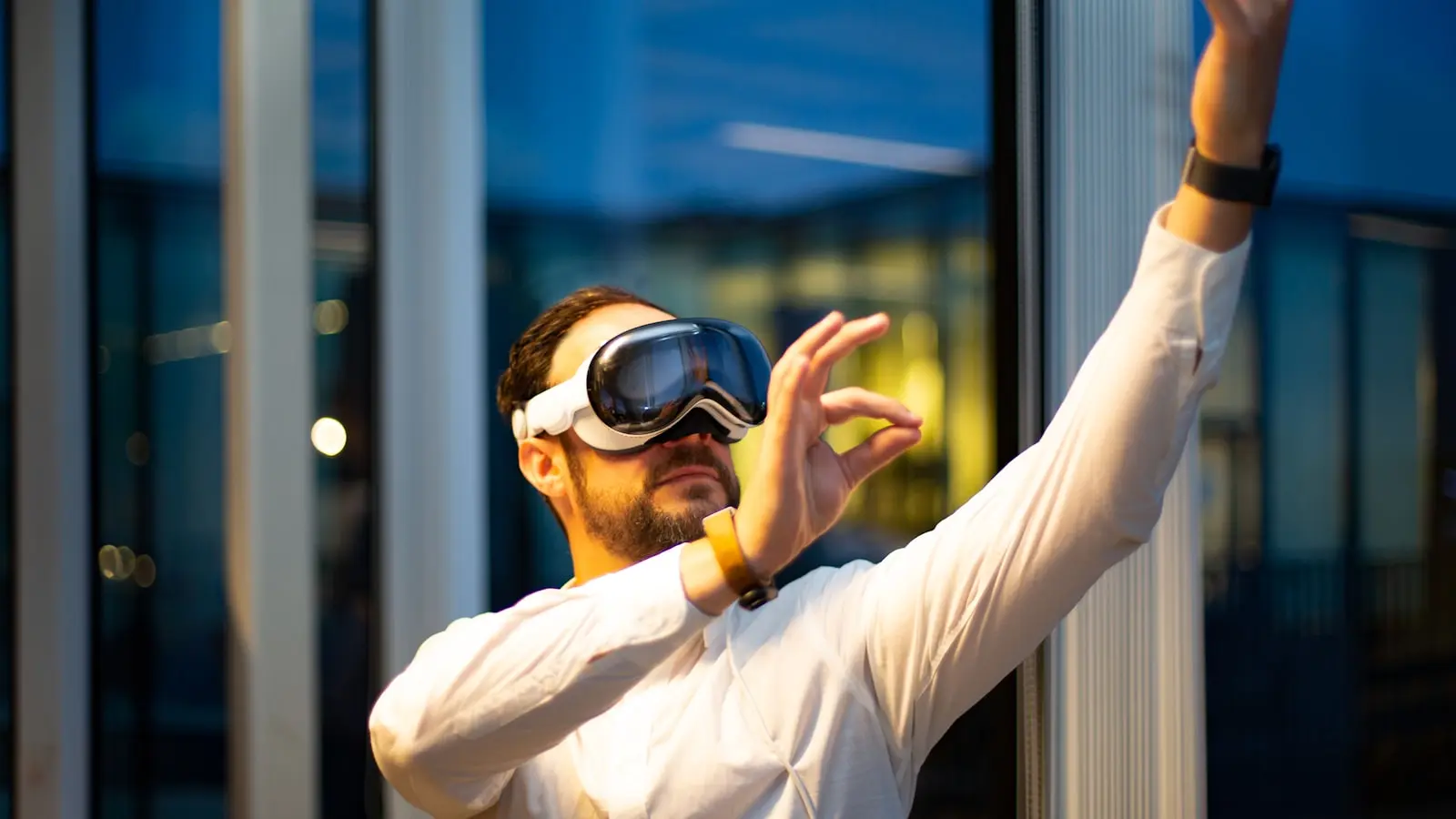

Apple’s second attempt at spatial computing, the Vision Pro 2, is not a reinvention. It is a targeted course correction. The device directly addresses the three primary points of failure in the original model: its prohibitive weight, anemic battery life, and inaccessible price point. With a 30% reduction in mass, a doubled battery capacity, and a $500 price cut, the question shifts from technical possibility to practical viability. Analysts predict a significant jump in adoption, forecasting 3-5 million units sold in the first year, a stark contrast to the estimated 500,000 of its predecessor. This is a move from niche experiment to a serious platform play.
Deconstructing the Physical Fixes
The most immediate change is the weight. A 30% mass reduction is not a minor tweak; it is an engineering admission that the first-generation hardware was fundamentally uncomfortable for its intended use cases. This brings the device out of the realm of short-term demos and into the possibility of sustained productivity sessions. The real test is not the number on the scale but the reduction in neck strain after the first hour of use. That is the metric that matters.
Internally, the display resolution sees an upgrade to 4K per eye. While the original’s display was already a market leader, this increase in pixel density is aimed at eliminating any vestige of the screen-door effect, further blurring the line between virtual objects and physical reality. This is powered by a new M4 chip architecture, whose primary job is likely less about raw graphical power and more about efficiency. Driving two 4K displays while improving eye-tracking accuracy and extending battery life points to a significant leap in performance-per-watt. (A welcome, if overdue, correction.)
A direct comparison of the critical specifications highlights the scale of the revision:
- Weight: Estimated ~450g (down from ~650g)
- Battery Life: 4 hours (up from 2 hours)
- Price: $2,999 (down from $3,499)
- Processor: M4 architecture (up from M2)
- Display: 4K per eye (resolution and clarity increase)
Power Management and Real-World Endurance
Doubling the battery life from two to four hours moves the Vision Pro 2 from a tethered novelty to a genuinely portable device. Two hours was barely enough to watch a feature film. Four hours covers most domestic flights, multiple work meetings, or a substantial design session. It’s progress.
This endurance is a direct result of the M4’s efficiency. It is not just a bigger battery pack; it is a more optimized system. However, the four-hour figure is almost certainly an idealized metric based on light usage. Under heavy load—running demanding 3D modeling software or high-fidelity immersive games—users should expect that number to drop significantly. The external battery pack remains a core part of the experience, a design choice that still feels like a compromise. The device is not yet an all-day computer for your face. Not even close.
The $2,999 Question: A Price Cut or a Market Correction?
The reduction to $2,999 from $3,499 is less a sale and more a recalibration. The original price tag placed the Vision Pro in a category of its own, far removed from any consumer or even prosumer reality. The new price, while still firmly in the premium professional tier, aligns it more closely with high-end workstations or specialized enterprise equipment. This is a strategic move to court developers and enterprise clients who were understandably hesitant to invest in the first-generation platform. It is an acknowledgment that market adoption requires a more realistic entry point.
By lowering this barrier, Apple is signaling that it wants to move beyond the enthusiast market. The predicted sales volume depends entirely on this new price convincing organizations that the Vision Pro 2 is a tool for work, not a toy for executives. The interest from enterprise customers in fields like design and medical training confirms where Apple sees the immediate return on investment.
Hardware is Solved. Now, the Software Must Deliver.
A lighter, longer-lasting headset is meaningless without compelling applications. The success of Vision Pro 2 hinges entirely on the maturity of its software ecosystem. Early reports indicate that enterprise is the primary target. Applications for complex design visualization, surgical training simulations, and collaborative engineering are where the hardware’s potential can be justified. Improved eye-tracking accuracy, a subtle but critical upgrade, is key for developers building applications that require high precision.
For consumers, the offering remains centered on immersive entertainment. The 4K-per-eye displays make it a formidable personal theater. But at $2,999, it needs to be more than that. The platform’s long-term health depends on the emergence of a “killer app”—a piece of software so uniquely compelling that it makes the hardware indispensable. We are not there yet.
Final Analysis: A Necessary and Pragmatic Upgrade
The Apple Vision Pro 2 is the product the original should have been. It is a pragmatic and focused response to every valid criticism leveled against its predecessor. The improvements in comfort, endurance, and price transform it from a fascinating but flawed proof-of-concept into a potentially viable computing platform for a specific set of professional users.
So, is it worth the asking price? For the average consumer, the answer is still no. The cost remains substantial and the use cases are still niche. But for developers, design professionals, and enterprises looking to invest in the future of spatial computing, the Vision Pro 2 represents a much more rational and defensible purchase. Apple has fixed the hardware. The ball is now in the developers’ court.