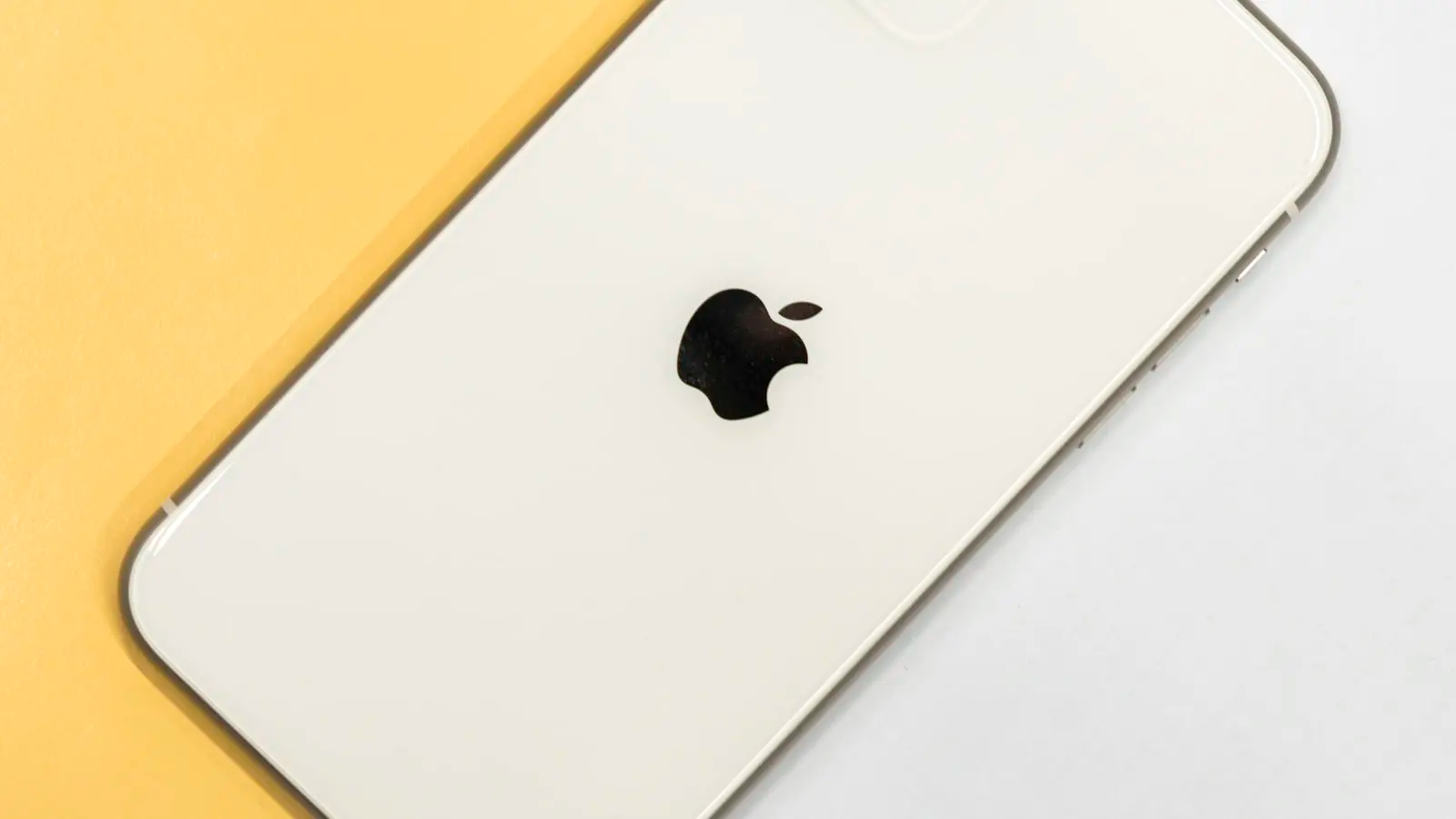

Apple has introduced the iPhone 17e, a device priced at $599 that represents the most significant strategic pivot from the company in nearly a decade. This is not a product refresh or an incremental update. It is a calculated and aggressive maneuver aimed directly at the global mid-range smartphone market, a segment Apple has historically treated with indifference, ceding billions in potential revenue to Android manufacturers. The move signals an end to an era of unchecked premium growth and the beginning of a new war for volume.
The device itself is an exercise in meticulous cost management. The iPhone 17e is built around the A18 Bionic chip, the processor from the previous year’s standard model, foregoing the cutting-edge A19 reserved for the new flagship line. Its chassis is constructed from aluminum, not the titanium found on its Pro siblings. The camera system is capable, engineered to outperform its price-point competitors, but it lacks the advanced telephoto lenses and LiDAR scanners that define the premium offering. The screen technology is a generation behind. Every component choice is a deliberate trade-off, balancing performance against the bill of materials. The objective is not to deliver the ultimate iPhone, but to deliver an undeniable iPhone experience—access to iOS, the App Store, iMessage, and FaceTime—at a price floor previously considered impossible.
Historically, Apple addressed the lower end of the market with the iPhone SE, a device that repurposed old designs and smaller screens to appeal to budget-conscious buyers, primarily in established Western markets. The iPhone 17e is a fundamentally different proposition. With a modern design and a larger screen, it is not a legacy product. It is a direct assault on the territory controlled by Samsung’s Galaxy A-series, Google’s Pixel A-series, and a formidable roster of Chinese brands like Xiaomi and OnePlus. These companies have built empires in the $400-$700 price bracket, a market Apple now intends to disrupt. This is not a defensive move; it is an invasion.
The Arithmetic of Cannibalization
At the core of this strategy lies a difficult financial calculation. Apple’s gross margins on hardware are the bedrock of its profitability, consistently hovering near 40%. A $599 device fundamentally compresses this figure. While the exact bill of materials remains proprietary, industry analysis suggests that component and assembly costs for the 17e would need to fall below $350 per unit to maintain even a 30% margin, well below the company’s average. The risk of cannibalization—where a customer who would have purchased a $899 iPhone 17 instead opts for the cheaper 17e—is significant and material.
Apple is betting that the volume of entirely new users will more than compensate for the margin dilution from existing customers trading down. The true prize is not the one-time hardware sale; it is the lifetime value (LTV) of a new user captured within its ecosystem. The strategic imperative is to convert a hardware purchase into a recurring services subscriber. For every two iPhone 17e units sold at a reduced margin, Apple’s models likely project that at least one of those new users will subscribe to iCloud+, Apple Music, or purchase apps, generating a high-margin annuity stream that ultimately makes the initial hardware concession profitable. In the Foxconn assembly halls of Zhengzhou, the stopwatch is the real master. Shaving three seconds off the time it takes to seat the A18 chip in an aluminum chassis, versus a titanium one, translates into millions of dollars in saved labor costs over a production run of 50 million units. This is a game of scale.
A Weapon for the Global South
This strategic shift cannot be understood through the lens of North American or European markets alone. The iPhone 17e is a geopolitical tool, designed for battlegrounds in India, Southeast Asia, and Latin America. These are the regions where the next billion smartphone users will emerge, and where Apple’s market share remains in the low single digits. The premium-only strategy has hit a ceiling. Growth is no longer a given. It must be fought for in the trenches of the mid-range market.
In India, a market of 1.4 billion people, the average selling price for a smartphone hovers around $250. An iPhone Pro, costing five to six times that amount, is a non-starter for the vast majority of the population. The $599 price point, while still premium, shatters a critical psychological and financial barrier. It makes the iPhone an attainable, aspirational product for a burgeoning middle class that was previously locked out. Apple executives will speak of “democratizing technology,” a phrase that is both noble and economically meaningless. (This is about shareholder value and securing future revenue streams). This is a direct response to the saturation of its primary markets and an admission that its previous approach was insufficient to achieve true global dominance.
Services Revenue is the Real Endgame
The hardware is a Trojan horse for Apple’s services division. This segment, which includes the App Store, advertising, cloud services, and subscriptions, is the company’s fastest-growing and highest-margin business. Unlike hardware, services revenue is recurring and less susceptible to the cyclicality of product launches. The iPhone 17e is, in essence, a customer acquisition cost for this lucrative division.
Once a user is integrated into the Apple ecosystem, the switching costs become formidable. Their photos are in iCloud, their communication is tied to the blue bubbles of iMessage, and their digital purchases are locked to their Apple ID. Migrating this data and social graph to an Android device is an exercise in friction. The company will frame this as “making the best experience accessible to more people.” The reality is a calculated strategy to increase the total addressable market for its high-margin digital goods. The phone is the razor; the apps and subscriptions are the blades. This is the long-term play. It is everything.
The Unintended Consequences
Launching a mid-range device is not without substantial risk. The most immediate concern is brand dilution. For decades, the iPhone has been synonymous with the absolute premium tier of technology. The introduction of a lower-cost, high-volume model threatens to tarnish that exclusive image. (Frankly, that line has been blurring for years). Apple must execute a delicate marketing balancing act, positioning the 17e as accessible without making the Pro models seem overpriced.
Competitive retaliation will be swift and aggressive. In Seoul and Mountain View, product managers are likely huddled in conference rooms, whiteboards covered in frantic scrawls, attempting to re-calibrate their entire product roadmap. Expect immediate price cuts on Samsung and Google’s competing devices. The technological arms race will accelerate, with features previously reserved for $1,000 phones trickling down to the mid-range faster than ever before. This will ignite a price war that is beneficial for consumers but a potential nightmare for corporate balance sheets, including Apple’s.
The iPhone 17e is not a sign of weakness, but a display of pragmatic strength. It is an acknowledgment that the market dynamics of 2015 are gone forever. Apple’s era of effortless, premium-driven growth in the smartphone sector has concluded. The next chapter will be defined by scale, ecosystem warfare, and the methodical conversion of global hardware users into recurring software tenants. The $599 price tag is not a discount. It is an investment in the company’s next decade.