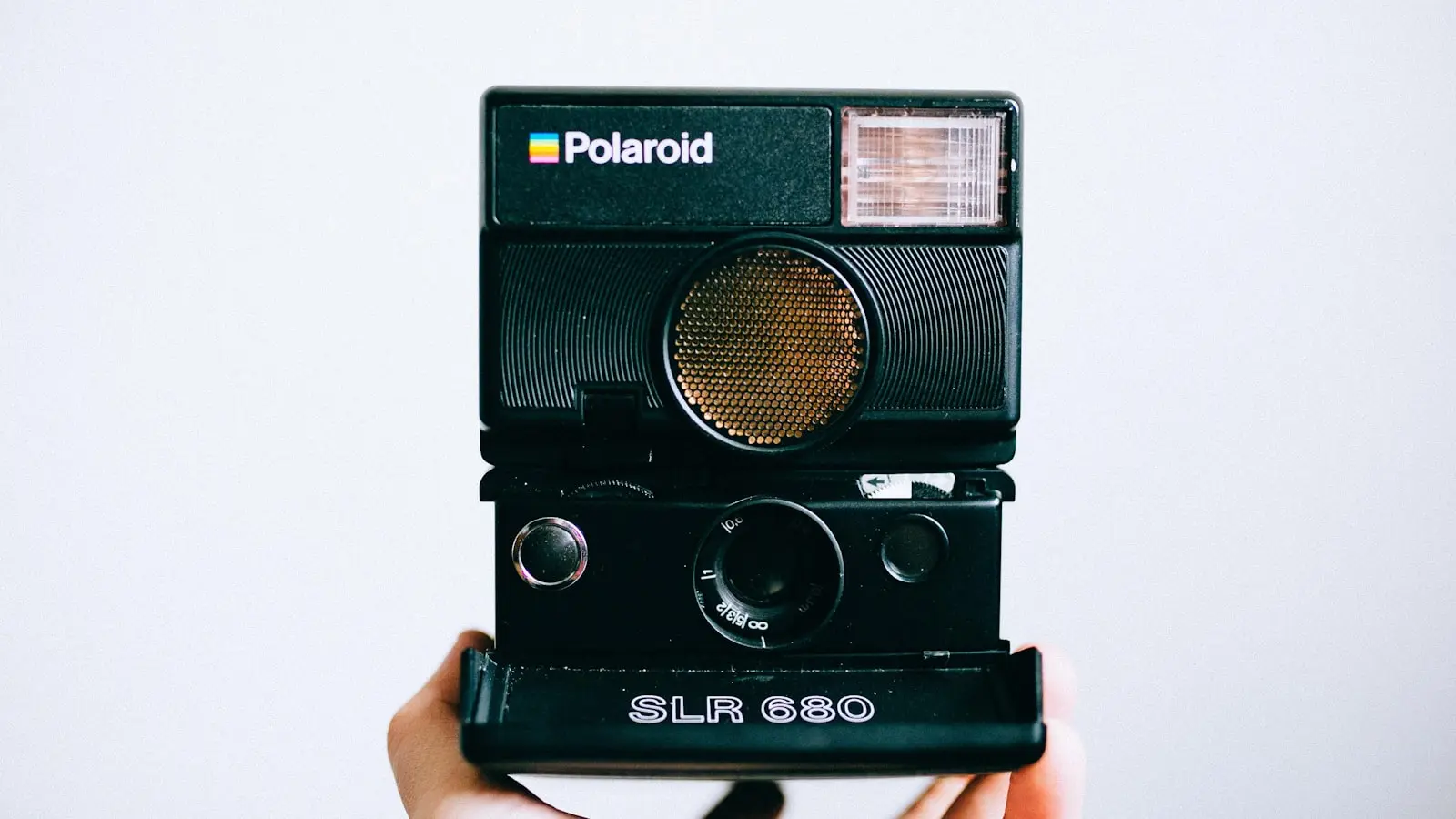
The recent passing of Roger Sweet, the conceptual architect behind the 1980s He-Man franchise, catalyzed an observable behavioral trend across millennial and Generation X demographics. These adults are aggressively acquiring vintage plastic figures and consuming legacy media formats. The post-2020 cultural landscape forced an unprecedented spike in the adult toy collecting market. Market data shows millions of dollars shifting into retro property preservation. This is not disposable income searching for a casual hobby. It is psychological armor.
When observing an adult carefully arranging thirty-year-old action figures on a home office desk, societal judgment often defaults to assumptions of immaturity or avoidance. (Frankly, this cultural stigma ignores fundamental neurobiology). Behavioral neuroscience studies consistently demonstrate that nostalgia functions as a highly efficient coping mechanism for managing chronic anxiety. The brain does not engage with these properties to escape reality. It utilizes them to regulate a volatile nervous system.
The Neurobiology of Retro Acquisition
To understand the adult retro toy boom, clinical observers must examine the neurochemical mechanisms driving the behavior. The modern adult operates in a state of near-constant sympathetic nervous system arousal. The amygdala processes an endless stream of chaotic news cycles, volatile economic shifts, and geopolitical instability. Cortisol and adrenaline flood the bloodstream. The biological cost is systemic burnout.
Indulging in nostalgic media directly counteracts this stress response. When individuals engage with toys, shows, or music from their youth, the brain’s reward centers activate. Dopamine pathways light up. The brain optimizes for survival. It calculates the fastest route back to physiological equilibrium when threatened by chronic stress. (This is fundamental biology). If navigating a complex financial environment causes an escalation in blood pressure, the brain seeks an immediate counterbalance. It reaches for the predictable. It demands the familiar.
Tangible Anchors in an Intangible Crisis
Consider the precise nature of the modern digital landscape. Endless scrolling generates fragmented attention. The prefrontal cortex is bombarded with micro-decisions and relentless algorithmic demands. This environment structurally promotes cognitive fatigue.
Picture a corporate project manager staring at a spreadsheet while a server quietly hums in the background, surrounded by the invisible pressure of inflation and quarterly deliverables. Now place a brightly colored, molded plastic Skeletor figure on that same desk. The physical artifact interrupts the cognitive loop of modern anxiety.
When an individual shifts their attention from a glowing screen to a tangible object from their past, the sensory input changes drastically. Tactile engagement with physical objects grounds the nervous system. The weight, texture, and visual immutability of a molded plastic figure force the brain to process physical reality rather than theoretical digital anxiety. This tactile grounding is a recognized technique in cognitive behavioral therapy. Collectors are self-medicating through environmental design.
The brain uses that plastic as an emotional anchor. It reminds the neural network of a distinct period when life felt safer, structurally predictable, and entirely devoid of adult financial stressors. The post-2020 retro streaming boom aligns perfectly with this mechanism. Viewers do not re-watch 1980s animated broadcasts because the narrative complexity rivals modern prestige television. They watch because the neurological outcome is guaranteed. The hero overcomes the obstacle in twenty-two minutes. The conflict resolves. The brain registers a completed loop of psychological safety.
The Neurochemical Shift of Reminiscence
Clinical literature, including recent analyses in the Emotion Journal, maps the precise physiological responses to nostalgic engagement:
- Dopamine Release: Nostalgic triggers stimulate the striatum, flooding the brain with dopamine, which directly counteracts acute stress.
- Cortisol Reduction: By shifting focus to a historically safe baseline, the adrenal glands reduce the production of stress hormones.
- Oxytocin Regulation: Group nostalgia, such as online collector communities discussing retro properties, triggers oxytocin, fostering social bonding and mitigating isolation.
- Parasympathetic Activation: Engaging with familiar, predictable media shifts the body from a fight-or-flight state to a rest-and-digest state.
Psychological Continuity and Existential Meaning
Beyond immediate chemical relief, retro properties provide crucial psychological continuity. When the external world changes too rapidly, the human mind struggles to maintain a cohesive sense of identity. Job markets pivot. Social structures fracture. The ground moves constantly.
Preserving childhood icons establishes a continuous timeline. The individual who played with the toy in 1985 is the same individual holding it today. This creates existential meaning. It proves that despite the intervening decades of friction and adult responsibility, a core self remains intact.
Psychologists routinely push back against the characterization of nostalgia as an unhealthy regression. Pathological regression involves a loss of adult functioning. An individual retreating into fantasy at the expense of their career or relationships requires clinical intervention. Conversely, controlled reminiscence operates as a proven therapeutic tool.
Adult collectors are not pretending to be children. They are deliberately accessing a specific emotional frequency to fortify their current adult capabilities. They deploy low-stakes joy to combat high-stakes exhaustion. (This distinction is critical). Detractors often label this behavior as Peter Pan syndrome. The terminology is outdated. It fails to account for the sophisticated duality of the modern collector. These individuals manage mortgages, navigate complex corporate hierarchies, and raise families. They do not abdicate adult responsibility. Instead, they partition a specific segment of their environment for psychological recovery. The failure to recognize this compartmentalization reveals a profound misunderstanding of modern resilience strategies.
The Economic Translation of Emotional Demand
The entertainment and consumer goods sectors recognized this behavioral loop and commodified it. Analysts track the explosion of premium, adult-targeted action figures that retail for hundreds of dollars. These are not toys meant for playground sandboxes. They are highly engineered display pieces designed to scratch an exact psychological itch.
Corporate jargon often frames this as “leveraging legacy IP to empower modern consumers.” Translated into clinical and economic reality, companies are monopolizing the emotional relief market. They understand that Millennials and Generation X will pay a premium for a reliable dose of dopamine. The demand for comfort creates an incredibly stable revenue stream.
When an adult spends a significant portion of their discretionary income on a meticulously recreated 1980s broadcast prop, they are not buying plastic. They are purchasing a localized, temporary cessation of anxiety.
Fortifying Against Daily Burnout
Online collector communities echo these clinical findings through their own practical experiences. Members frequently document how cataloging, displaying, and discussing these items provides essential mental health fortification.
The mechanics of collecting require focus, organization, and deliberate action. These behaviors demand executive function, which paradoxically thrives when applied to low-stress environments. Organizing a collection of vintage figures offers a sense of total control. In a world where macro-economic factors remain entirely outside an individual’s influence, the ability to perfectly curate a specific physical space offers profound psychological relief. The environment is mastered.
The passing of creators like Roger Sweet forces society to examine the lasting impact of their work. They did not merely design toys. They inadvertently engineered the emotional regulators that a generation would eventually use to survive the complexities of modern adulthood.
Nostalgia is not a weakness. It is a biological survival strategy. The brain demands moments of absolute safety to function at peak capacity. If that safety comes in the form of a brightly colored, thirty-year-old plastic sword, the clinical outcome remains equally valid. Evidence prioritizes results over aesthetics. The neurochemistry works.