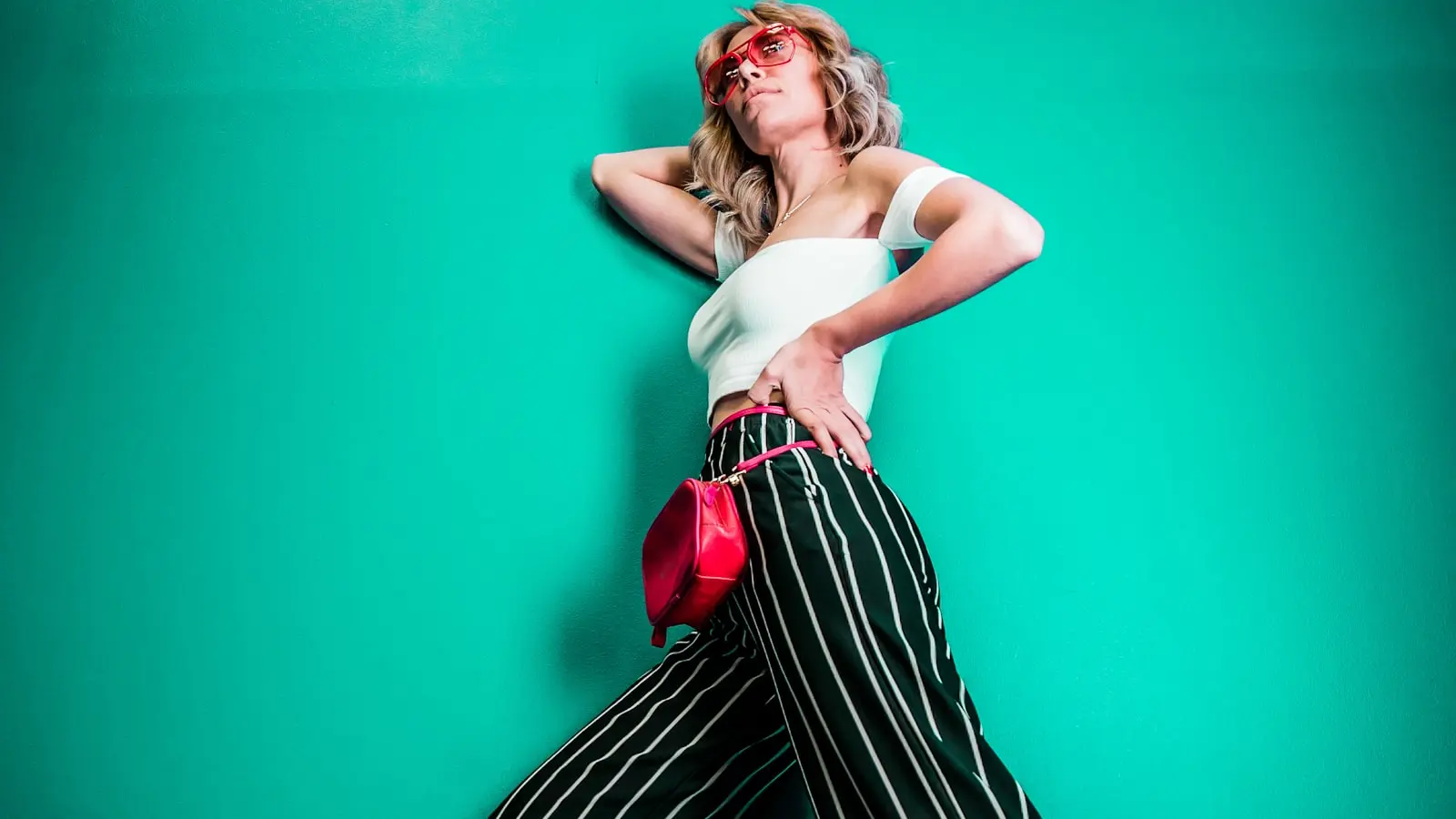

A Pivot Toward Intentional Dressing
The fashion landscape has undergone a recalibration. After nearly a decade defined by the aggressive silhouettes of streetwear, the spring 2026 collections signal a deliberate move toward wearable elegance. This shift is not merely aesthetic; it represents a psychological retreat from the performative nature of logo-heavy trends. Designers are pivoting toward the tactile, favoring silk that moves with the body and tailoring that prioritizes ease over austerity.
Data from retail channels indicates a sharp spike in pre-orders for “Lady of Leisure” silhouettes. These are garments designed for the inhabitant, not the bystander. Think draped tailoring, robe-like coats, and elongated scarves that suggest movement even in stillness. The industry is effectively banking on the idea that the consumer is tired of friction in their attire. (It is about time.)
The Five Pillars of the Season
The runway reports identify five distinct directions that define this season. Each acts less as a costume and more as a modular framework for the modern wardrobe:
- Fashion as Feeling: An emphasis on fringe, feathers, and airy lace designed to provide kinetic feedback as the wearer moves.
- Lady of Leisure: Draped tailoring and satin pieces that bridge the gap between loungewear and evening attire.
- Literary Chic: A celebration of bookish sophistication, favoring structure and intellectual subtext over overt flash.
- The Art of the In-Between: A tactical approach to transitional dressing, designed for those who refuse to be dictated to by erratic spring temperatures.
- Mode Sportif: A refined synthesis of athletic utility and urban street-readiness that avoids the cliches of traditional sportswear.
Materiality and The Architecture of Color
Colors this season have abandoned the muted earth tones of previous years in favor of vibrant greens and yellows. Texture is the primary currency. Fur detailing, often criticized for its environmental impact, appears in increasingly responsible contexts, alongside raw denim and butter-soft leather trousers.
Mathieu Blazy’s debut at Chanel served as the season’s structural anchor. By reintroducing quiet elegance, the collection successfully shifted the spotlight away from “viral” moments and back toward garment construction. Prada, conversely, continues to mine its signature intellectual edge, proving that the “bookish” trend is more than a fleeting internet aesthetic; it is a permanent design language.
Practical Application for the Individual
For those watching from the sidelines, the temptation to adopt a “look” in its entirety is strong. Stylists, however, are advocating for the “hero piece” strategy. Rather than replicating a runway head-to-toe ensemble—which often fails to survive the commute to the office—the recommendation is to invest in one foundational garment from each trend.
| Trend | Recommended Hero Piece | Functional Utility |
|---|---|---|
| Lady of Leisure | Satin Duster | Day-to-night versatility |
| Literary Chic | Structured Wool Blazer | Professional longevity |
| Mode Sportif | High-Performance Loafer | Comfort for urban transit |
| Fashion as Feeling | Feather-trimmed Cuff | Subtle accessorizing |
The Sustainability Subtext
Sustainability has finally moved from a marketing buzzword to a design constraint. Brands are increasingly transparent about responsible sourcing, weaving environmental considerations into the very fabric of their collections. This is not the loud, performative sustainability of the early 2020s. It is quiet, consistent, and increasingly mandatory. (Thankfully.)
Ultimately, the 2026 season asks the consumer to consider the lifecycle of their purchases. When a coat is designed with enough drapery to feel comfortable, or a pair of leather trousers is crafted to endure a decade of wear, the “trend” ceases to be a consumable and becomes an asset. The industry is betting on quality over quantity. The question remains whether the market will follow suit, or if the churn of fast fashion will continue to obscure these genuine advancements in design.